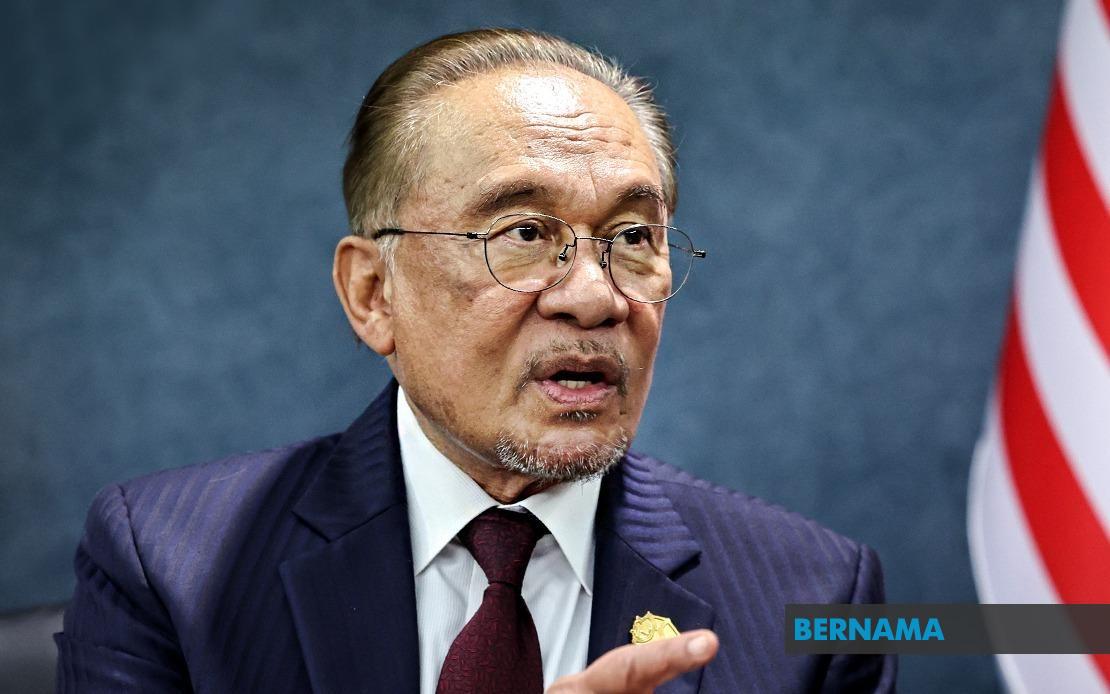
Prime Minister Datuk Seri Anwar Ibrahim extended his formal congratulations to Senator Datuk Nur Jazlan Mohamed following the legislator's reappointment as Deputy Senate President, marking the beginning of his second term in the role. The recognition came during proceedings at the Dewan Negara, where Anwar acknowledged both Nur Jazlan's continued leadership position and the reappointment of fellow Senator Musoddak Ahmad, who also took the oath of office alongside his colleague.
The ceremonial swearing-in took place before Senate President Datuk Awang Bemee Awang Ali Basah, formalising the appointments within Malaysia's upper parliamentary chamber. Nur Jazlan's reappointment underscores the confidence placed in his stewardship of legislative affairs and his ability to manage parliamentary proceedings in the Dewan Negara, an institution that plays a constitutionally significant role in Malaysia's bicameral legislature.
The Deputy Senate President position carries considerable responsibility in facilitating legislative business and maintaining parliamentary order. Nur Jazlan's return to this role for a second term indicates stability in the institution's leadership structure during a period when Malaysia's political landscape continues to evolve following coalition realignments and changing parliamentary dynamics.
Anwar's remarks, delivered before Question Time commenced at the parliamentary sitting, represented standard protocol acknowledging the new or renewed appointments of senior legislative figures. Such official recognition serves to reinforce the institutional continuity of parliamentary operations and signals the executive's support for the appointed officials who oversee Senate affairs.
Beyond the formal parliamentary acknowledgments, Anwar injected a lighter moment into proceedings by referencing his enthusiastic support for Spain's triumph at the 2026 FIFA World Cup. According to the Prime Minister's remarks, Spain defeated defending champions Argentina in the tournament final, with the victory secured through a goal scored by Ferran Torres in the 106th minute at MetLife Stadium in East Rutherford.
The sporting aside reflected the less formal dynamics sometimes present during parliamentary sittings, where senior political figures occasionally interject personal observations to humanise proceedings. Argentina's participation in the final was complicated by the expulsion of midfielder Enzo Fernández during the match, leaving the South American side to conclude the contest with ten players against Spain's full complement.
The reappointments within the Senate represent continuity in institutional leadership as Malaysia navigates ongoing economic and governance challenges. The Dewan Negara, comprising appointed and elected members, functions as an important check within the legislative process, reviewing bills and offering counsel on matters of national importance. Having experienced personnel in leadership positions facilitates the smooth functioning of these parliamentary responsibilities.
Musoddak Ahmad's reappointment alongside Nur Jazlan suggests that both individuals have fulfilled their previous terms satisfactorily, justifying their return for additional periods of service. The appointments process, undertaken in accordance with constitutional provisions governing the composition of the Senate, reflects the broader appointment machinery that shapes Malaysia's parliamentary institutions.
These developments come as Malaysian politics continues to absorb the implications of recent electoral contests and coalition arrangements. The stability provided by retaining experienced legislators in senior roles offers some continuity amidst broader political transitions. For observers of Malaysian governance, the reappointments demonstrate the institutional framework's capacity to maintain functional leadership across parliamentary cycles.
The Prime Minister's public acknowledgment of these appointments, coupled with his sporting commentary, demonstrated the ceremonial dimensions of parliamentary life where official recognition and lighter moments intermingle. Such occasions provide opportunities for senior political figures to address both substantive parliamentary business and engage in the informal rapport-building that characterises collegial legislative relationships.
As Malaysia's Parliament resumes its calendar of sittings and legislative business, the return of experienced hands to key positions within the Dewan Negara provides some reassurance of institutional continuity. The Senate's role in reviewing legislation and providing second-chamber scrutiny remains important to the broader checks and balances that define Malaysia's constitutional framework.

