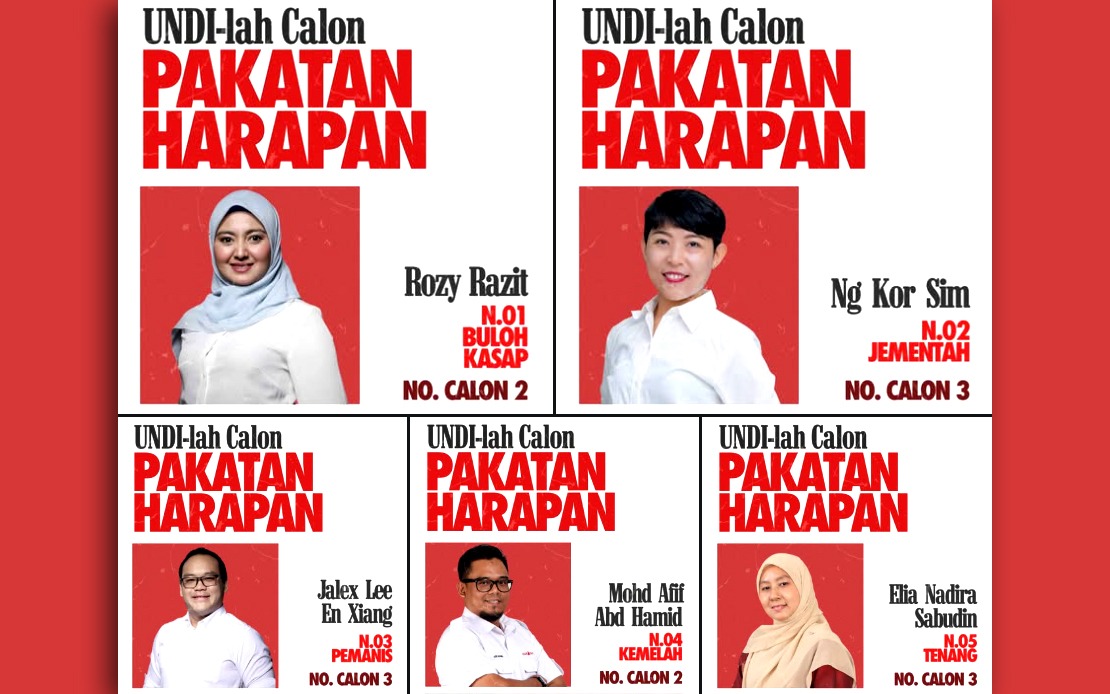
Prime Minister Anwar Ibrahim has made a direct appeal to the people of Johor to entrust Pakatan Harapan with the mandate to govern the state for the next five years, signalling the coalition's determination to secure a decisive victory in what is shaping up to be a closely watched electoral contest. In a Facebook post marking the official campaign push, the PKR president and PH chairman pledged that his coalition would discharge the responsibility of state governance with unwavering commitment and would not squander the confidence placed in it by voters.
The timing of Anwar's appeal underscores the high stakes surrounding the Johor election, a state that has long been considered a political bellwether for the broader Malaysian electorate. Johor, home to over four million people and historically dominated by the Barisan Nasional coalition, represents crucial ground for PH's efforts to consolidate power at the state level while simultaneously strengthening its federal position. By directly addressing the electorate through social media, Anwar is employing a modern communication strategy to bypass traditional gatekeepers and speak directly to voters about PH's vision for the state.
Pakatan Harapan is contesting all 56 state assembly seats in the election, demonstrating its ambition to secure comprehensive control of the state government. This full-slate strategy reflects the coalition's confidence in its candidates and its commitment to offering voters a complete alternative to incumbent administrations. The comprehensive contest also signals that PH believes it has built sufficient organisational capacity and public support across diverse communities and constituencies to mount a credible challenge across the entire state.
Anwar buttressed his political appeal with a spiritual dimension by invoking Verse 58 of Surah An-Nisa from the Quran, which emphasises the paramount importance of fulfilling trusts and maintaining justice. This religious framing serves multiple purposes: it appeals to the Muslim majority in Johor, it elevates the political message beyond mere partisan interest to broader moral principles, and it reflects Anwar's own background as a political leader who has frequently integrated Islamic teachings into his political messaging. The invocation of this verse reinforces the idea that governing is not simply a matter of administrative competence but a sacred trust that demands ethical conduct.
The electoral calendar has been set with polling day fixed for July 11, with early voting already scheduled for July 7. This compressed timeline means that both PH and its political opponents have limited time to mobilise resources, conduct campaigning, and persuade undecided voters. The early voting provision is particularly significant for Malaysian electoral dynamics, as it allows certain categories of voters—including those who may be travelling or working outside their constituencies—to cast ballots before the main polling day, potentially expanding the overall participation rate.
For Malaysian observers and analysts, the Johor election carries significance beyond the state's borders. Johor has historically been seen as a stronghold for traditional Malay-Muslim political interests and the Barisan Nasional model of governance that dominated Malaysian politics for decades before PH's breakthrough in the 2018 general election. Success in Johor would represent a watershed moment for PH's project to reshape Malaysia's political landscape and would validate the coalition's claim to represent a new political direction for the country. Conversely, any failure to make significant inroads in the state would suggest that PH's support remains geographically concentrated and that the coalition still faces substantial hurdles in regions with deep historical attachments to competing political traditions.
The appeal to Johor's electorate also reflects broader strategic considerations about PH's federal position. A strong performance in state elections helps build political momentum, provides resources and patronage networks that strengthen the federal administration, and creates local power bases that can support federal-level initiatives. State governments controlled by PH can implement policies aligned with the coalition's national agenda, creating a multiplier effect that amplifies the impact of federal governance.
Anwar's emphasis on PH's commitment to fulfilling its responsibilities speaks to a persistent challenge that the coalition has faced since returning to power: the need to demonstrate that it can deliver tangible improvements in governance, service delivery, and economic opportunity. Voters in Johor, like Malaysians generally, have experienced economic pressures, concerns about inflation and cost of living, and demands for improved public services. PH's ability to articulate a compelling vision for how it would address these concerns specifically in the Johor context will likely prove decisive in determining electoral outcomes.
The election also occurs within a broader context of Malaysian politics characterised by significant volatility and coalition-building. The lines between political parties and alliances have become increasingly fluid, with previously stable political arrangements subject to realignment based on electoral results and inter-party negotiations. A strong showing by PH in Johor could shift political calculations at both state and national levels, potentially encouraging defections or realignments among politicians and political movements that perceive shifting winds in voter sentiment.
Looking ahead, the Johor state election will serve as an important test of both Anwar's personal political standing and the broader appeal of the PH coalition's vision for Malaysia. The results will provide crucial data about voter sentiment in a key state and will shape political dynamics in the lead-up to the next general election, currently anticipated to occur within the next year or two. For Southeast Asian observers monitoring Malaysian political developments, the election offers insights into how electoral competition is evolving in a country that has experienced significant democratic transitions in recent years.

