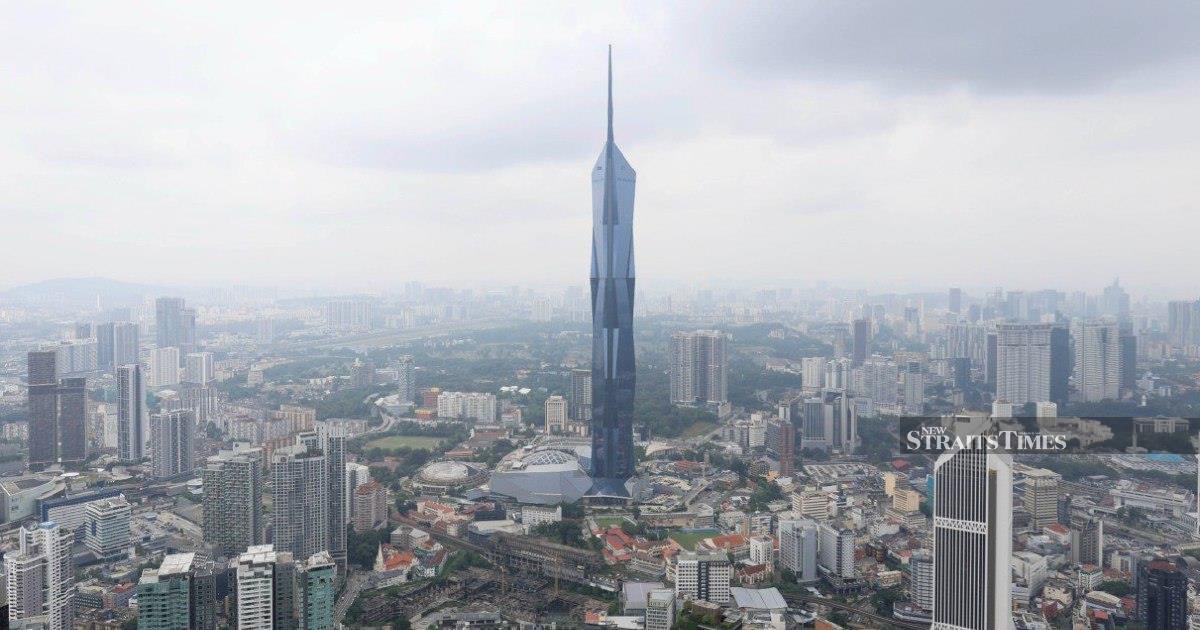
Prime Minister Datuk Seri Anwar Ibrahim made a spiritual appeal to the nation on Tuesday, calling upon Malaysians to pray for relief from hazardous haze conditions as the country prepares to commemorate its National Day on August 31. Speaking from Cyberjaya, the premier's remarks underscore growing concern about air quality in the lead-up to one of Malaysia's most significant national observances, when celebrations and outdoor gatherings typically draw large crowds across the country.
The appeal reflects a persistent challenge that has confronted Malaysia during this season. Transboundary haze, primarily originating from agricultural burning and forest fires in neighbouring Indonesia, has repeatedly disrupted Malaysian life in recent years, affecting visibility, health outcomes, and outdoor activities. The timing of Anwar's intervention suggests heightened anxiety within government circles that poor air quality could mar the National Day celebrations, which routinely feature prominent outdoor ceremonies, parades, and community events throughout the nation.
National Day represents a pivotal moment in Malaysia's calendar, when citizens gather to celebrate independence and national unity. Large-scale festivities typically commence weeks in advance, with preparations accelerating as August 31 draws near. Schools, government offices, and community groups organise performances, exhibitions, and public programmes, many of which depend on outdoor participation. Deteriorating air quality not only dampens the festive atmosphere but creates genuine health risks, particularly for vulnerable populations including children, the elderly, and those with respiratory conditions.
The Air Pollutant Index (API) has emerged as a critical metric during haze episodes, determining which activities proceed as planned and which require modification or cancellation. When readings exceed certain thresholds, authorities impose restrictions on outdoor gatherings and sporting events, while schools may switch to remote learning to protect student health. For National Day celebrations, which emphasise public participation and national pride, such disruptions carry symbolic weight beyond mere logistical inconvenience.
Indonesia's transboundary haze problem stems largely from uncontrolled land clearing and agricultural practices in Sumatra and Kalimantan. Despite bilateral agreements and cooperation mechanisms, controlling these fires remains challenging due to enforcement gaps and the scale of economic incentives driving land conversion. Malaysia has repeatedly advocated for stricter Indonesian measures while simultaneously developing domestic strategies to monitor and respond to deteriorating air quality.
The government's multi-pronged approach includes real-time air quality monitoring, public health advisories, and diplomatic engagements with Indonesian counterparts. However, the underlying environmental challenge remains difficult to resolve in short timeframes. The typical haze season extends through August and September, meaning National Day falls squarely within the highest-risk period. This geographic and temporal reality means Malaysian authorities must balance optimism with practical contingency planning.
Anwar's invocation of prayer reflects not merely spiritual sentiment but also acknowledges the limits of government intervention in addressing transboundary environmental challenges. By framing the issue in terms requiring collective national action and faith, the Prime Minister mobilises public consciousness and reinforces social cohesion—themes central to National Day messaging. The appeal signals to Malaysians that their participation in the observance matters, even as weather and environmental conditions remain partially beyond direct control.
For Malaysia's economic and tourism sectors, clear skies during late August carry tangible benefits. Travellers often plan visits around National Day festivities, and poor air quality deters both domestic and international tourism. Hotels, restaurants, and entertainment venues depend on robust visitor traffic during this period. Similarly, Malaysian families plan outdoor activities and celebrations during this school holiday season, with air quality directly influencing their choices and satisfaction levels.
The situation also highlights broader Southeast Asian vulnerability to environmental stresses that transcend national borders. Malaysia, Singapore, and Brunei all suffer from Indonesian haze, yet solutions require long-term systemic change in land management practices and enforcement across vast territories. Bilateral and multilateral cooperation mechanisms exist, including the ASEAN Agreement on Transboundary Haze Pollution, yet their effectiveness remains constrained by implementation challenges and competing development priorities.
Looking ahead to August 31, meteorologists and environmental agencies will closely monitor wind patterns, precipitation forecasts, and Indonesian fire activity. Even marginal improvements in atmospheric conditions could substantially enhance the National Day experience. Conversely, if air quality deteriorates further, authorities may need to adapt celebrations to indoor venues or implement rotating outdoor events to minimise public exposure during peak pollution periods.
Anwar's plea fundamentally reflects a nation grappling with environmental realities that shape its future prospects. While prayers may offer spiritual comfort and reinforce collective identity, Malaysia simultaneously requires sustained diplomatic pressure, technological innovation, and regional cooperation to address haze at its source. The National Day message this year carries an implicit reminder that Malaysia's celebration of independence remains intertwined with broader environmental challenges that demand sustained attention and cooperation among Southeast Asian nations.

