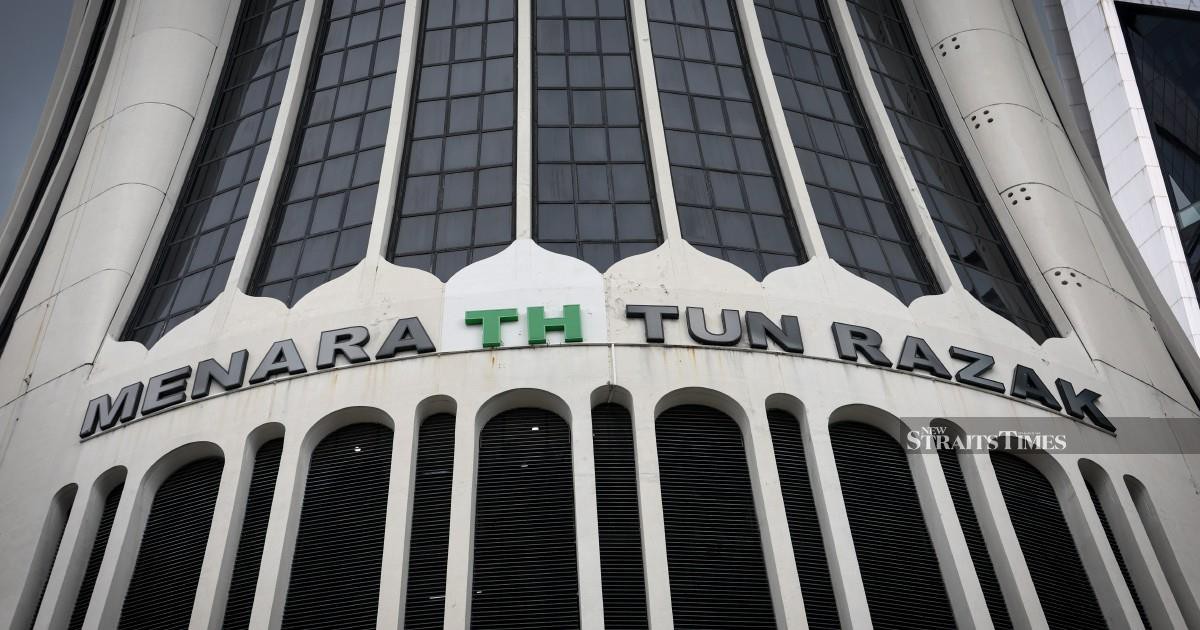
An anti-corruption organisation has demanded an overhaul of the National Audit Department's operations, triggered by the emergence of a substantial RM4.8 billion gap in how two major government investigations reported the financial position of Lembaga Tabung Haji, the state-run Islamic pilgrimage savings fund. The discrepancy between figures cited in the Royal Commission of Inquiry report and those documented in the audit department's separate examination of TH's accounts has raised serious questions about the reliability of government financial oversight mechanisms and the department's capacity to detect irregularities in a major public institution.
The discovery underscores a persistent vulnerability in Malaysia's governance infrastructure, where ostensibly independent auditing bodies tasked with safeguarding public resources may operate with insufficient rigour or coordination. When such substantial numerical divergences emerge between two authoritative sources examining the same entity's finances, it signals either fundamental gaps in the audit methodology, inadequate communication between investigative bodies, or deeper systemic failures in how government financial institutions are monitored. For Malaysian taxpayers and the millions who contribute to TH, such discrepancies erode confidence that their savings are being properly stewarded and thoroughly examined.
Tabung Haji occupies a unique position in Malaysia's financial ecosystem as a dedicated savings vehicle for Muslims preparing for the Hajj pilgrimage. The fund attracts deposits from across the socioeconomic spectrum, from modest contributors to substantial investors, making it a matter of considerable public trust. Previous controversies surrounding TH's management and investment decisions have already tested public confidence in the institution. The emergence of this audit gap represents yet another concerning episode that compounds existing anxieties about whether the fund's leadership and overseers are sufficiently accountable to depositors.
The Royal Commission of Inquiry was established to investigate specific concerns about TH's operations and financial health. Such inquiries typically deploy forensic accounting expertise and investigative resources to examine transactions, documentation, and management decisions in considerable depth. The commission's report presumably reflects findings based on intensive examination. By contrast, the National Audit Department operates on a broader remit, conducting regular audits across numerous government agencies and statutory bodies according to established audit protocols and schedules. When these two distinct investigative processes yield vastly different financial assessments, the divergence demands explanation.
A RM4.8 billion difference is not a minor accounting discrepancy that might arise from different reporting periods or varying methodologies for categorising expenses. This magnitude of variance indicates either that one institution fundamentally misunderstood or misrepresented TH's financial position, or that serious irregularities went undetected by at least one auditing body. The implications extend beyond Tabung Haji itself. If the National Audit Department failed to identify a RM4.8 billion anomaly, questions inevitably arise about the quality and effectiveness of its audits across other government agencies and institutions that manage public and statutory funds.
The call for a departmental review reflects growing recognition that Malaysia's audit and oversight mechanisms may require strengthening. The independence of audit bodies is theoretically protected through various institutional arrangements, but independence means little if the actual audit work lacks sufficient depth, technical expertise, or access to information. Auditors must have the resources, training, and investigative tools to detect material misstatements and irregularities. They must also maintain robust communication channels with other investigative bodies to cross-check findings and identify discrepancies before they become public embarrassments.
For Malaysia's regulatory environment and international standing, such lapses carry broader consequences. Foreign investors and international financial institutions pay close attention to the quality of governance and financial oversight in markets where they consider deploying capital. Revelations that government audit mechanisms may have overlooked a multibillion-ringgit discrepancy can dent Malaysia's reputation for maintaining adequate oversight standards. This comes at a time when the country is competing for investment flows and seeking to strengthen its position as a regional financial centre.
The anti-graft watchdog's intervention reflects the legitimate role that civil society organisations play in holding government institutions accountable. When official oversight bodies appear to falter, external pressure from transparency advocates can catalyse corrective action. However, the existence of such pressure also suggests that standard oversight mechanisms may not be functioning optimally, creating a need for civil society to compensate for gaps in official accountability structures.
Moving forward, any review of the National Audit Department should examine not only how the RM4.8 billion discrepancy occurred but also address systemic questions about audit protocols, staffing levels, technical capacity, and coordination mechanisms between different investigative bodies. The department's leadership must clarify what checks exist to prevent similar oversights in other audited entities. Additionally, reforms should establish clearer procedures for reconciling findings when multiple government bodies investigate the same institution, ensuring that material discrepancies are flagged and resolved before public reports are released.
For Tabung Haji depositors and the broader Malaysian public, this episode underscores the importance of sustained pressure for institutional reform and accountability. Confidence in government institutions ultimately depends on demonstrated competence and transparency. The RM4.8 billion gap represents not merely a technical accounting problem but a test of whether Malaysia's oversight systems can effectively protect public assets and hold institutions accountable to the citizens whose savings and trust they hold.

