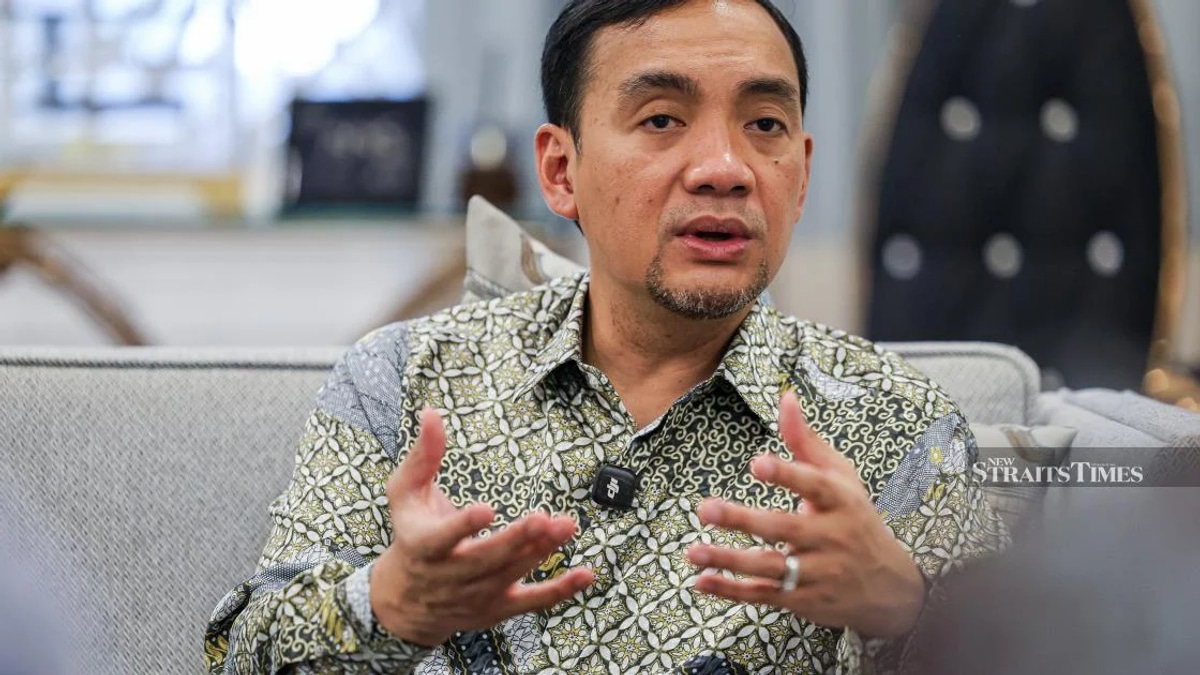
Perikatan Nasional's information chief has cautioned Bersatu against making hasty public statements, signalling growing concerns about cohesion within the two-party alliance that has become a significant force in Malaysian politics. The warning underscores mounting tensions between the coalition's major components as they navigate their shared political responsibilities and competing interests.
Annuar Musa's intervention reflects the delicate balancing act required to maintain PN as a functional political partnership. The coalition, formed from the merger of originally separate political entities, has had to establish protocols for decision-making and public communication. His emphasis on avoiding precipitous remarks suggests that unfiltered statements from either faction have previously created problems requiring central coordination to resolve.
The information chief's assertion that neither PAS nor Bersatu can act unilaterally represents a fundamental principle of coalition governance. In theory, this constraint ensures that major policy positions or strategic moves receive agreement from both parties before public announcement. However, the need to repeatedly articulate this principle suggests that party leaders may be testing these boundaries or that grassroots members are acting independently of central party discipline.
For Malaysian observers, the PN dynamics carry broader implications for government stability and legislative effectiveness. The coalition's ability to maintain internal discipline directly affects whether it can reliably execute the agreements that hold its political alliance together. Any fracturing of unity could create openings for rival coalitions to attract defections or challenge government programmes in parliament.
Bersatu, formed in 2016 by former Prime Minister Mahathir Mohamad and later led by Muhyiddin Yassin, has experienced rapid transformations in its political positioning and alliances. Its membership within PN represents a significant shift from earlier configurations, and party members at different hierarchical levels may harbour differing views about the wisdom of this arrangement. Calls for restraint often emerge when younger or more ambitious figures test whether their voices will be heard within established coalition structures.
PAS, the Islamic party that anchors the PN coalition, brings its own organisational culture and member expectations to the partnership. As the larger and more institutionalised of the two parties, PAS may view certain decisions differently than Bersatu leadership. The coalition's requirement for consensus can frustrate both parties when rapid responses to political developments seem necessary but impossible without coordinated discussion.
Annuar's public reminder about procedural constraints serves a dual audience. For internal party consumption, it reestablishes hierarchy and reminds ambitious figures that public statements require vetting. For external observers and media, it projects an image of orderly governance and unified direction. Both audiences need reassurance, particularly if recent statements from either party have suggested internal disagreement.
The timing of such warnings typically indicates that specific incidents have prompted the intervention. Malaysian political culture involves sophisticated networks of informal communication, and coalition leaders maintain awareness of dissent brewing at party level even before it becomes public. By issuing a preemptive statement, Annuar attempts to correct course before more serious divisions emerge that could damage PN's public standing.
For regional observers, the PN coalition's internal management challenges reflect wider difficulties facing multi-party alliances across Southeast Asia. When diverse political movements merge or coordinate, establishing clear communication protocols becomes essential. The alternative is repeated public contradictions that weaken authority and invite scrutiny from parliament and media.
The emphasis on measured communication also reflects professional standards increasingly expected of Malaysian political leadership. Senior figures recognise that intemperate remarks can trigger market reactions, complicate diplomatic relationships, or create legal exposure. An information chief's role includes educating party members about these consequences and embedding communication discipline into party culture.
Meanwhile, the structural requirement for unanimous decision-making within PN creates inherent tension with the need for agility in competitive politics. Large political parties face constant pressure to respond to events, address member grievances, and maintain public visibility. Coalition arrangements inevitably slow such responses by requiring multiple layers of consultation. Leaders must balance democratic inclusivity within their parties against the need for nimble political positioning.
Looking forward, how effectively PN manages these coordination challenges will influence its durability as a political force. Coalitions that develop strong institutional mechanisms for managing internal disputes and maintaining unified messaging tend to weather political storms better than those relying on informal consensus. Annuar's statement suggests PN is consciously building such mechanisms, though the need for repeated reminders indicates the process remains incomplete.
The broader political landscape in Malaysia continues to shift as different coalitions adjust their configurations and strategies. PN's internal stability during this period of flux remains significant not only for its members but for all political actors calculating parliamentary arithmetic and coalition possibilities. The next challenge will be whether these calls for restraint actually embed new communication practices or remain temporary pressure valves for inevitable coalition tensions.