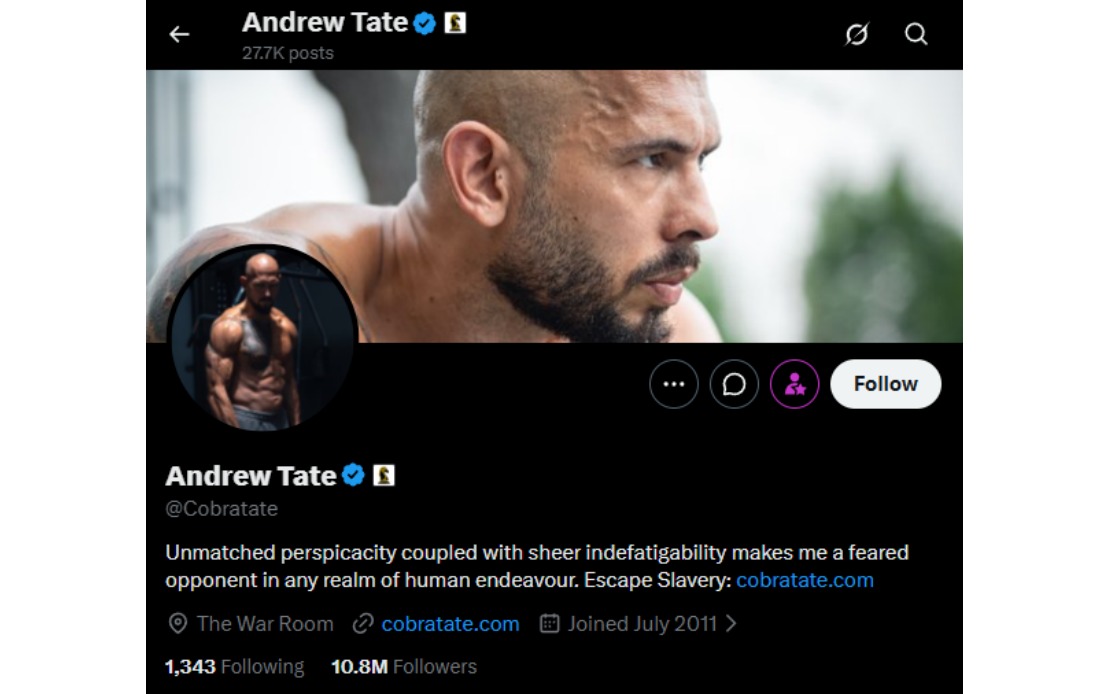
The controversial social media personalities Andrew Tate and his brother Tristan have been taken into custody in Miami following a significant development in their legal troubles. The US Marshals Service confirmed the arrest on Saturday, marking a new phase in the proceedings against the two men who have faced mounting legal scrutiny across multiple jurisdictions. The action came after British prosecutors formally filed additional charges relating to rape and sex-trafficking allegations, broadening the scope of criminal accusations they face.
The Crown Prosecution Service in the United Kingdom made the announcement of the new charges in an official statement, signalling an escalation in the case against the brothers. This development represents a coordinated legal effort spanning continents, as American authorities worked in tandem with their British counterparts to apprehend the defendants. The arrest in Florida came swiftly after the CPS issued its announcement, suggesting a degree of coordination between law enforcement agencies in both nations.
Andrew Tate has cultivated a substantial following across social media platforms, where his content and commentary have generated considerable controversy. His online presence has been marked by provocative statements and content that has drawn criticism from various quarters, particularly regarding his views on gender relations and personal conduct. The arrest represents a stark contrast to the public persona he has maintained online, where he has positioned himself as a successful entrepreneur and influencer.
The charges now facing both men carry serious implications, as sex-trafficking allegations typically invoke some of the most severe criminal penalties available within judicial systems. In both the United Kingdom and the United States, such offences are treated with significant gravity by prosecutors and courts alike. The addition of rape charges alongside trafficking allegations suggests that authorities have gathered evidence they believe supports multiple categories of criminal conduct.
The case carries broader implications for the regulation of online influencers and content creators, a sector that has grown substantially but remains subject to evolving legal frameworks. Questions persist regarding the responsibility platforms bear for content that may violate standards of conduct or law. The Tate brothers' situation has already prompted discussions among platform operators and policymakers about content moderation standards and the accountability of high-profile creators.
For Malaysian observers and regional readers, the arrest underscores the international dimensions of modern crime and law enforcement cooperation. Southeast Asian nations increasingly engage with international legal mechanisms and cross-border investigations, particularly concerning offences with digital components or global reach. The coordination demonstrated in this case exemplifies how multiple nations can work toward shared objectives in criminal justice, a principle relevant to regional security cooperation frameworks.
The brothers' detention also illuminates the complexities arising when individuals with significant online followings become subjects of criminal investigation. The transparency demands placed on public figures differ markedly from those affecting private citizens, and legal proceedings involving such personalities often generate substantial public interest and media coverage. This case demonstrates how actions taken by prominent online creators can trigger responses from formal state apparatus on an international scale.
The timing and execution of the arrest suggest that both American and British authorities had maintained active investigation files on the brothers. The coordination required to execute simultaneous legal action across national borders demands substantial groundwork, including evidence sharing, diplomatic coordination, and mutual legal assistance agreements. These procedural elements often operate invisibly to the public but represent essential infrastructure for transnational justice efforts.
The implications of these charges extend beyond the individual defendants to encompass broader conversations about accountability in the digital sphere. As social media continues to exert influence over global audiences, particularly younger demographics, the actions taken by platform regulators and law enforcement agencies receive heightened scrutiny. The case of the Tate brothers represents a test case in how societies respond when influential digital personalities face allegations of serious criminal conduct.
Looking forward, the legal proceedings against Andrew and Tristan Tate will unfold across multiple jurisdictions, potentially involving extradition considerations, charges filed in different nations, and the coordination of separate but related cases. The outcomes will likely influence how other nations approach similar situations involving international figures accused of serious crimes with potential digital or online elements. For Malaysia and the wider Southeast Asian region, these developments reinforce the importance of robust legal frameworks addressing online conduct and international cooperation mechanisms addressing cross-border criminality.

