The public should retain confidence in Tabung Haji (TH) despite the recent release of a comprehensive Royal Commission of Inquiry report, according to leading financial analysts who argue that the institution's recovery programmes are delivering measurable results and safeguarding depositors' interests. The 211-page RCI report, made public on July 29, detailed organisational weaknesses spanning 2014 to 2020 and contained 25 recommendations for improvement, yet analysts contend that the findings largely reiterate issues already recognised and being actively addressed through systematic reform initiatives.
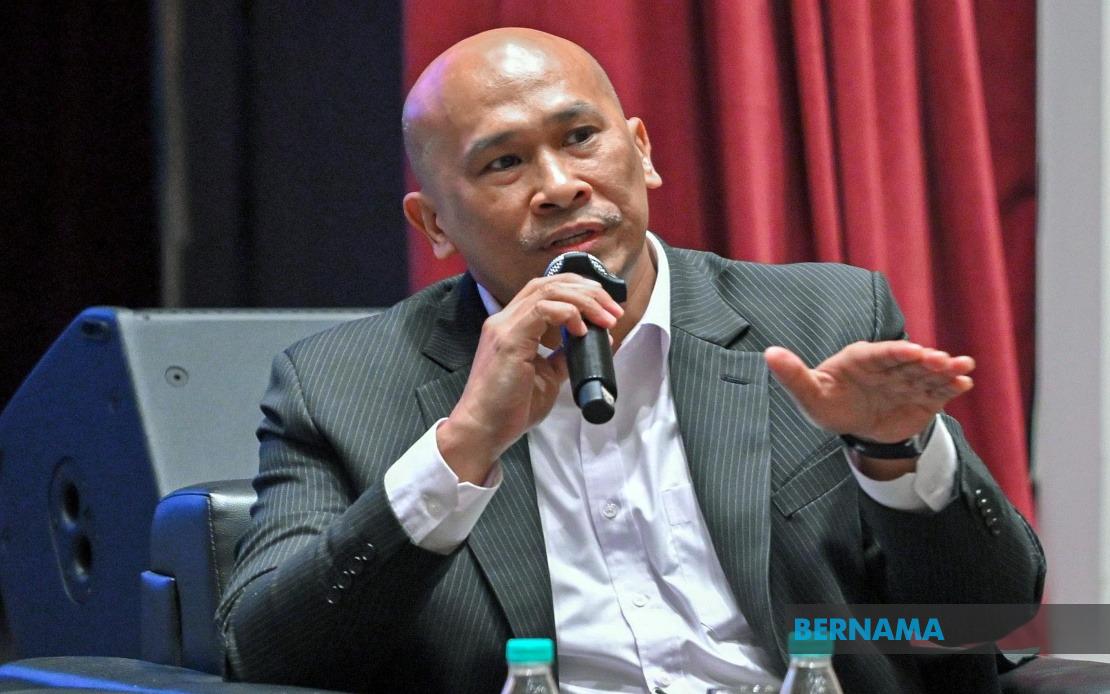
Dr Mohd Afzanizam Abdul Rashid, chief economist at Bank Muamalat Malaysia Bhd, emphasised that Tabung Haji has demonstrated financial resilience by recording net assets—the value of assets after deducting liabilities—for five consecutive years through 2021 and into the previous year, signalling underlying operational improvements. He noted that while the RCI report addressed matters that had entered public discourse, the institution was already implementing recovery programmes that were bearing fruit, particularly in strengthening its financial position and governance structures. The economist underscored that the documentation, though completed in 2022, had only recently been released to the public, meaning the institutional knowledge of these issues had long predated the formal disclosure.
Governance enhancements have formed a cornerstone of Tabung Haji's transformation strategy, with leadership and management restructuring taking place to address identified shortcomings. Dr Afzanizam stressed that neither existing nor prospective depositors should harbour concerns about the institution's current operational standing, arguing that evaluating Tabung Haji's performance must extend beyond narrow financial metrics. The assessment should incorporate broader considerations, including the organisation's execution of hajj operations and its cultivated relationships with the Saudi Arabian government, which bear direct consequences for the hajj experience of Malaysian pilgrims and the nation's standing within the Islamic world.
Tabung Haji's diplomatic standing and cooperative arrangements with Saudi authorities have emerged as critical assets in securing advantageous hajj quotas for Malaysia. Dr Afzanizam highlighted that Malaysia's positive reputation among Saudi authorities reflects the institutional discipline and professional standards that Tabung Haji instils in pilgrims departing from the country. The strong perception of Malaysian hajj cohorts within Saudi Arabia results substantially from the guidance, behavioural standards, and operational excellence that Tabung Haji enforces, translating into tangible benefits for all Malaysians seeking to undertake their religious obligations. These bilateral advantages underscore the institution's value beyond conventional financial performance indicators.
Mohd Hafiz Abd Hamid, secretary-general of IKRAM Malaysia, offered a complementary perspective by reframing Tabung Haji's institutional purpose and significance. He argued that the organisation should not be reduced to a conventional savings vehicle but rather recognised as a major trustee institution for Malaysia's Muslim population, given its intimate connection to believers' aspirations and obligations regarding the hajj pilgrimage. This distinction carries profound implications for how the institution should be governed, managed, and held accountable, requiring management at all organisational levels to ensure that depositor trust—a sacred responsibility—remains inviolable and strengthened. The preservation of public confidence constitutes not merely a financial consideration but a spiritual and social imperative fundamental to the institution's legitimacy.
As of July 30, Tabung Haji had implemented approximately 75 percent of the RCI report's 25 recommendations, demonstrating tangible progress in addressing identified governance and operational deficiencies. This implementation rate suggests a purposeful and accelerated response to the inquiry's findings, with management moving beyond acknowledgement of problems toward concrete corrective measures. The pace of implementation provides empirical evidence that institutional leadership is treating the RCI recommendations seriously and prioritising the restoration of public confidence through demonstrable action rather than rhetorical assurances alone.
Depositor sentiment appears resilient despite the public disclosure of institutional challenges. Nooraishah Wahab, a 57-year-old housewife and long-term depositor, expressed undiminished confidence in Tabung Haji's stewardship of her savings, indicating that knowledge of the RCI report had not undermined her commitment to the institution. Her stated expectation that management will continue prioritising the safeguarding of depositor interests reflects the measured perspective of existing stakeholders who have experienced the institution's operations over extended periods. Such public testimonials carry particular significance in an era of heightened scrutiny, as they suggest that informed depositors recognise the difference between institutional challenges and institutional collapse.
The timing and manner of the RCI report's public release merit consideration within Malaysia's broader governance narrative. The inquiry completed in 2022 but was made public only in August, a delay that analysts suggest allows recovery efforts to demonstrate effectiveness before public examination intensifies. This sequencing, whether intentional or circumstantial, means that depositors and the public evaluate Tabung Haji not against its 2020 condition but against its current operational state, where recovery programmes have had measurable time to take effect. The institutional context has shifted substantially between the period examined in the RCI report and the present moment.
For Malaysian Muslims nationwide, Tabung Haji remains the primary institutional vehicle for accumulating resources dedicated to fulfilling one of Islam's five pillars. The institution's stability and trustworthiness carry implications that transcend conventional financial sector concerns, touching upon the religious aspirations and life plans of millions of Malaysians who have designated portions of their savings specifically for the hajj. Any loss of confidence in the institution would reverberate across Muslim communities throughout the country and potentially influence Malaysia's broader standing within the international Islamic community, where hajj experience quality and organisational professionalism serve as ambassadorial functions.
Moving forward, Tabung Haji faces the crucial task of accelerating implementation of remaining RCI recommendations while maintaining transparent communication with depositors about progress. The institution must demonstrate that governance improvements are not superficial compliance exercises but fundamental shifts in how it operates and makes decisions. Leadership credibility depends on consistent delivery of promised reforms and on closing the gap between identified weaknesses and operational excellence. The convergence of analyst confidence, depositor resilience, and ongoing institutional reform efforts suggests that Tabung Haji remains positioned to recover fully from past challenges, provided management executes its recovery roadmap with discipline and transparency.

