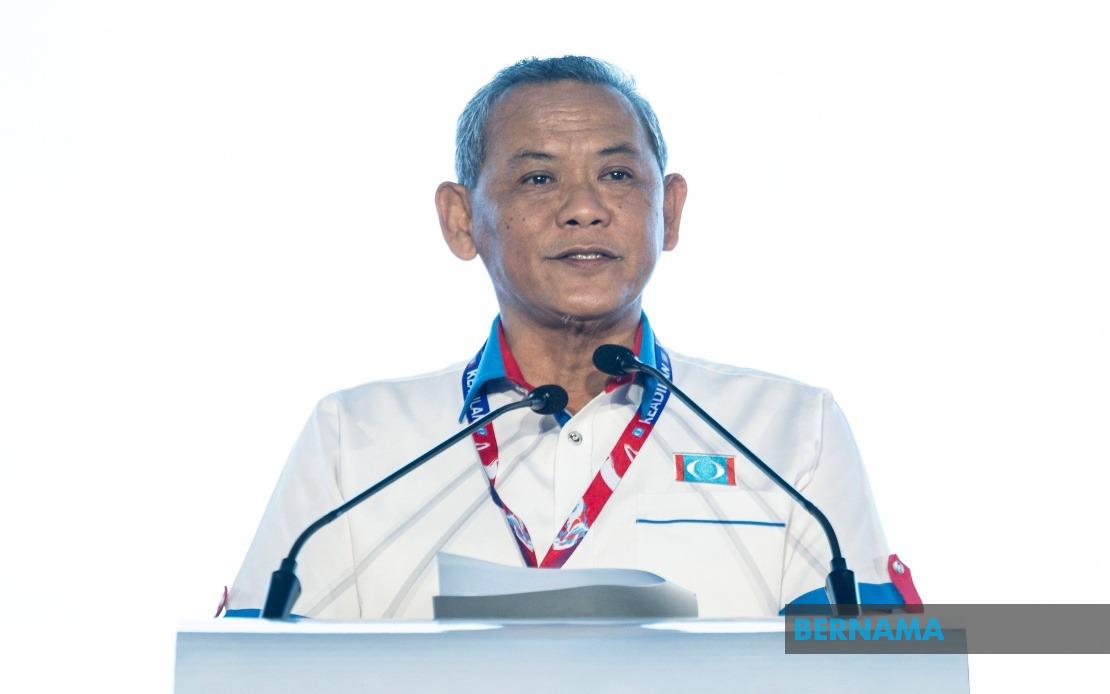
Datuk Seri Aminuddin Harun, the former Negeri Sembilan Menteri Besar, has publicly indicated his willingness to step down from his role as chairman of Negeri Sembilan's PKR State Leadership Council following the party's recent electoral failure. Speaking at the Parti Keadilan Rakyat national congress in Melaka on August 16, Aminuddin acknowledged mounting pressure from six branch leaders within the state who have called for his resignation and a broader reassessment of PKR's strategic direction in Negeri Sembilan.
The political landscape in Negeri Sembilan shifted dramatically on August 1, when PKR secured only two parliamentary seats out of the fifteen constituencies it contested, representing a significant erosion of the party's presence in a state where it had previously held more substantial influence. This outcome, coupled with Aminuddin's personal defeat in the Linggi seat, has created substantial internal pressure within the party machinery. The former chief minister's public acknowledgement of responsibility marks a notable moment of political accountability within PKR's leadership structure, particularly given Malaysia's cultural and political norms around hierarchical authority and face-saving within party structures.
Aminuddin's personal electoral loss in Linggi underscores the scale of PKR's difficulties in the state. Running in a three-cornered contest, he garnered 6,163 votes, finishing behind Barisan Nasional incumbent Datuk Mohd Faizal Ramli, who secured 9,139 votes, whilst Bersatu's Datuk Zamri Md Said managed only 391 votes. The defeat margin of 2,976 votes represents a clear mandate rejection from constituents and compounds the broader party performance issues that the six branch leaders have been voicing. For a politician of Aminuddin's stature and experience, this outcome carries significant political implications extending beyond the immediate contest.
During his closing address at the PKR national congress held at Melaka International Trade Centre, Aminuddin articulated a measured response to internal party dissent. Rather than dismissing the branch leaders' concerns, he expressed explicit agreement with their demands for accountability, stating that he neither wished to evade responsibility nor resort to excuses for the electoral disappointment. This stance represents a deliberate choice to engage constructively with party critics, though it simultaneously positioned him in a potentially vulnerable situation within PKR's internal politics, where perceptions of weakness or inability to lead effectively can quickly erode support.
The former Menteri Besar emphasised that the decision regarding his future in the party post ultimately rests with PKR's national leadership rather than with himself. This framing, whilst diplomatically deferential to party hierarchy, effectively signals that he is prepared to accept whatever verdict the party leadership reaches concerning his tenure. Aminuddin indicated his readiness to submit to any organisational decisions that the party determines would serve PKR's interests moving forward, suggesting that his primary concern now centres on institutional preservation rather than personal position retention.
However, Aminuddin tempered his acceptance of defeat with a forward-looking message about party resilience. He explicitly rejected the notion that electoral loss should precipitate organisational paralysis or demoralization within PKR ranks. Instead, he framed the August 1 results as a critical juncture demanding renewed energy and strategic recalibration rather than resignation and retreat. This rhetorical positioning serves multiple audiences simultaneously: the party's grassroots membership seeking inspirational leadership, the branch leaders demanding accountability, and the national party leadership evaluating whether Aminuddin can contribute value to rebuilding efforts even if he vacates his current formal position.
The broader context of Negeri Sembilan's political dynamics reveals a state in transition. The peninsula's smallest state has traditionally been a competitive political arena where leadership changes and coalition shifts generate disproportionate symbolic importance. PKR's contraction from a more substantial position to holding merely two of fifteen seats reflects both national political trends and specific local circumstances that party strategists must address. Understanding why constituents abandoned PKR in Negeri Sembilan carries implications for the party's wider peninsular positioning, particularly as it competes against resurgent Barisan Nasional and the rising influence of Bersatu across multiple state markets.
For Malaysian political observers, Aminuddin's response illustrates the internal tension within opposition parties between maintaining hierarchical discipline and responding to democratic accountability pressures from within party structures. The involvement of six branch leaders in publicly demanding leadership change indicates that grassroots dissatisfaction with state-level performance has reached sufficient intensity to breach normal party confidentiality conventions. Such public articulation of internal discontent, whilst less dramatic than faction warfare, signals genuine organisational stress within PKR's Negeri Sembilan apparatus.
The implications of this situation extend beyond Negeri Sembilan itself. As PKR navigates its national role within opposition politics and broader coalitional arrangements, the manner in which it handles leadership transitions and accountability mechanisms in individual states affects perceptions of institutional strength and governance competence. Aminuddin's willingness to embrace accountability rather than entrench or deflect criticism may enhance PKR's broader political credibility, though it simultaneously demonstrates the political costs of electoral underperformance for state-level leaders within Malaysia's political system.
Looking forward, the party's leadership must balance Aminuddin's experience and seniority against the legitimate grievances raised by branch-level functionaries. Whether his resignation or retention ultimately occurs, the precedent established by the transparent acknowledgement of electoral failure and the receptiveness to internal criticism sets a particular tone for how PKR manages post-election reckonings. This approach contrasts with some other Malaysian political parties where electoral disappointments often trigger defensive responses and defensive consolidations of power rather than genuine reassessments of strategy and personnel.

