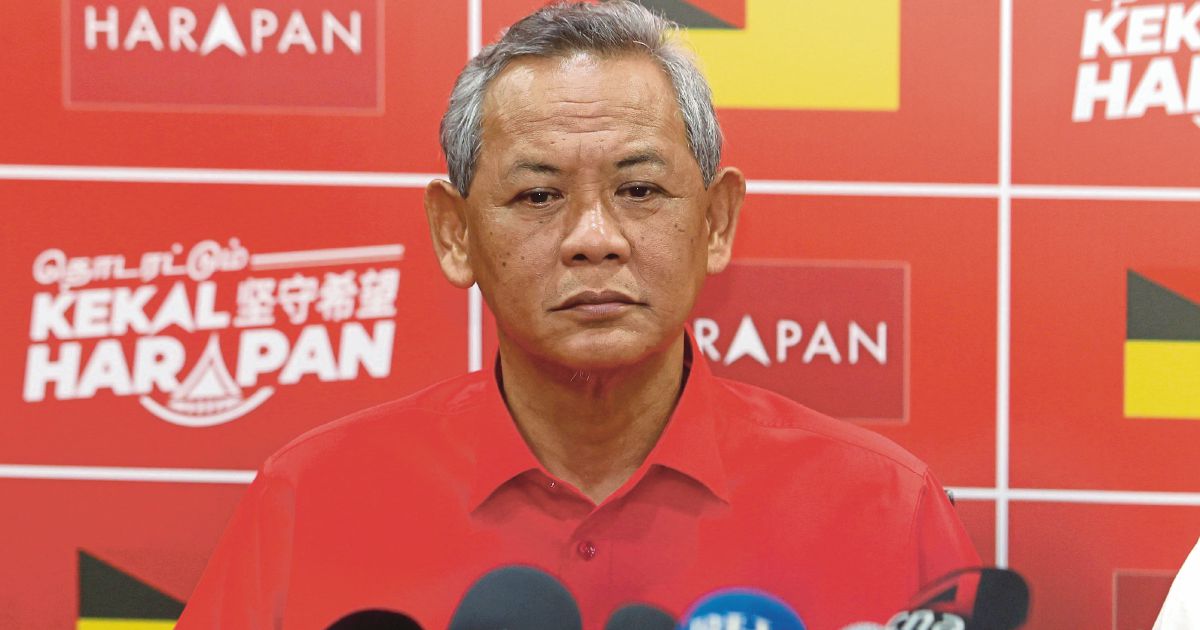
Former Negeri Sembilan menteri besar Datuk Seri Aminuddin Harun has signalled his willingness to relinquish his role as Parti Keadilan Rakyat chairman for the state, following the coalition's underwhelming performance in the recent state elections. Speaking in Melaka, Aminuddin acknowledged the party's electoral setback and indicated that a leadership transition may be warranted to chart a fresh direction for the organisation at the state level.
The resignation signals a significant development within PKR's Negeri Sembilan chapter, particularly given Aminuddin's previous tenure as menteri besar, a position that ordinarily carries considerable political capital within the state party apparatus. His willingness to step down suggests a recognition that the party apparatus requires restructuring and renewed momentum heading into the next electoral cycle. The voluntary nature of the transition, rather than a forced removal, provides PKR leadership with an opportunity to manage the succession process and maintain party cohesion during what appears to be a period of introspection.
For Malaysian readers across the peninsula, such leadership transitions within component parties of the ruling coalition merit close attention, as they often foreshadow broader shifts in internal party dynamics and policy direction. Negeri Sembilan, situated strategically between Kuala Lumpur and the southern states, has historically played a significant role in national politics. Any destabilisation within PKR's machinery in the state could have ripple effects on how the coalition manages representation across the broader central region.
The timing of Aminuddin's announcement carries particular weight given the current political calendar. Malaysian political observers have noted an increasing pattern of senior figures voluntarily stepping back from leadership positions following electoral disappointments, a practice that differs markedly from historical precedent when losses often triggered protracted internal disputes. This shift toward accepting electoral verdicts and enabling smooth transitions suggests a maturing of democratic practices within political parties, though sceptics argue it may simply reflect a calculated repositioning by senior leaders seeking to preserve their political futures.
The PKR party structure in Negeri Sembilan has faced mounting pressure to demonstrate effectiveness in mobilising support and delivering electoral wins comparable to the party's performance in other states. The recent state election results appear to have crystallised concerns about the direction of the party's state machinery and its ability to compete against entrenched rivals. For PKR's national leadership, the challenge now lies in identifying a successor who possesses both credibility within the state grassroots and the organisational competence to reverse recent electoral trends.
Regional analysts have observed that PKR's performance across different states reveals significant variation in organisational effectiveness and candidate quality. Negeri Sembilan, despite its moderate population and economic importance, has not consistently translated these advantages into proportional electoral representation. This suggests systemic challenges within the party structure that extend beyond individual leadership decisions. The forthcoming period will be instructive in determining whether new leadership can address structural weaknesses or whether deeper organisational reforms become necessary.
For Southeast Asian observers monitoring Malaysian politics, transitions such as this demonstrate how democratic accountability mechanisms, imperfect though they may be, operate within Malaysia's political framework. The fact that Aminuddin is voluntarily stepping down rather than clinging to power reflects broader expectations among party members and the public that leaders should accept responsibility for electoral outcomes. This mechanism, however informal, serves as a feedback loop that encourages parties to perform competently and respond to voter preferences.
The vacancy created by Aminuddin's departure will prompt internal PKR deliberations about succession planning and strategic repositioning in Negeri Sembilan. The party faces the task of selecting a chairman who can energise the base, attract new supporters, and coordinate effectively with federal and state-level efforts. The choice will likely reveal much about PKR's current priorities and which faction or ideological tendency holds ascendancy within the party hierarchy at the national level.
Longer-term implications for Malaysian politics extend to questions about the stability and durability of the current ruling coalition. Electoral reversals in state-level contests, particularly in strategically important states like Negeri Sembilan, can accumulate into challenges for federal governance if they signal broader voter dissatisfaction. The manner in which PKR responds to its setbacks in the state will therefore merit monitoring as an indicator of coalition resilience and the government's capacity to maintain support across peninsular Malaysia.
Aminuddin's potential departure also opens space for fresh voices and leadership approaches within PKR's state machinery. Whether the incoming leadership pursues continuity or fundamental reform of the party's strategic approach in Negeri Sembilan will determine whether this transition represents merely a personnel change or a genuine inflection point in the party's trajectory within the state.

