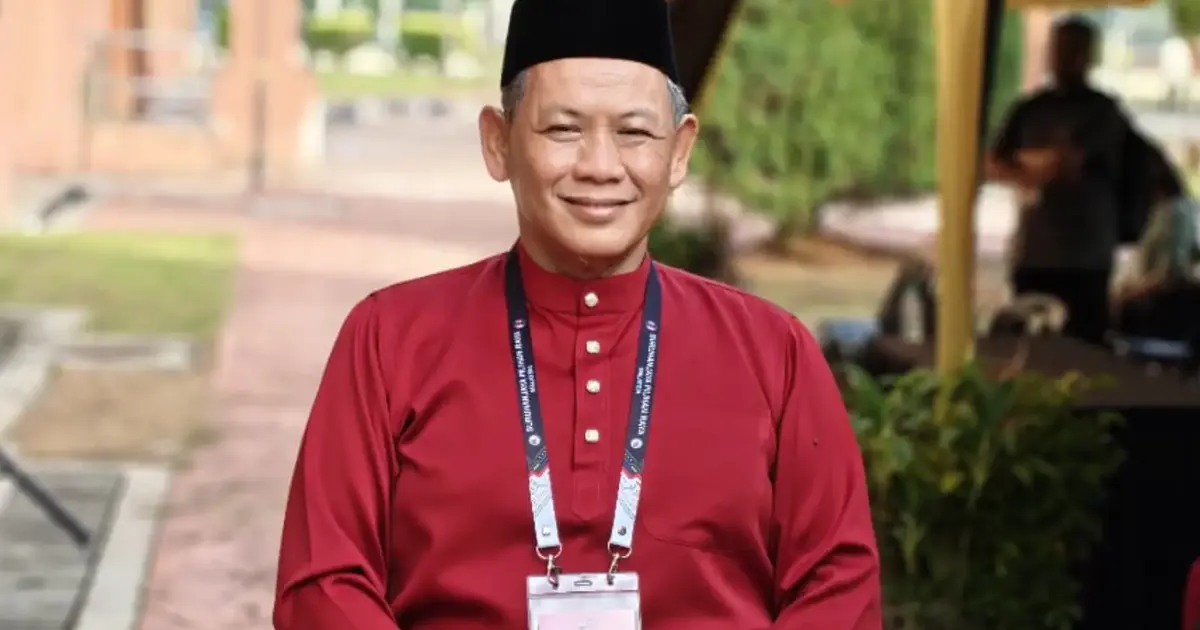
Negeri Sembilan Menteri Besar Aminuddin Harun is entering a closely contested three-way contest for the Linggi parliamentary seat, squaring off against sitting Member of Parliament Faizal Ramli of Barisan Nasional and a candidate fielded by Perikatan Nasional component Bersatu. The race represents a significant challenge to BN's grip on the Malay-majority constituency, which Faizal successfully defended in the 2023 general election.
The Linggi seat holds strategic importance within the political landscape of Negeri Sembilan and the broader Klang Valley region. Located in the district of Seremban, the constituency encompasses both urban and semi-rural areas with a predominantly Malay Muslim population. The seat has historically served as a stronghold for UMNO-led coalitions, reflecting the traditional voting patterns of this demographic segment. However, the emergence of a three-cornered contest signals shifting political dynamics and potential fragmentation of what was once consolidated support.
Faizal Ramli's 2023 victory demonstrated BN's continued relevance in the seat despite broader challenges faced by the coalition in other parts of the country. His win came at a time when UMNO and its partners faced headwinds from internal party politics and competition from Perikatan Nasional. The decision to field Aminuddin, who holds executive authority as Menteri Besar, represents a deliberate attempt by the Selangor-based opposition to mount a serious electoral challenge and potentially unseat the incumbent.
Aminuddin's candidacy carries particular significance given his position as state leadership. A Menteri Besar contesting a parliamentary seat is not an uncommon strategy in Malaysian politics, as it signals a party's commitment to capturing a specific constituency and provides the candidate with significant institutional resources and public profile. His entry into the Linggi race suggests confidence within his party structures and possibly reflects calculations that the seat is winnable despite its traditional BN leanings.
The introduction of a Bersatu candidate complicates the electoral calculus considerably. Perikatan Nasional's presence in the contest, through Bersatu, could fragment opposition votes if the anti-BN sentiment is divided between Aminuddin and the Bersatu challenger. Alternatively, if Bersatu's support is drawn primarily from traditional BN voters dissatisfied with current party directions, it could weaken Faizal's position. The dynamics of this three-way contest will depend heavily on ground-level campaign effectiveness and voter sentiment regarding each candidate and their respective parties.
Linggi's demographic composition plays a crucial role in determining probable outcomes. As a Malay-majority constituency, it traditionally responds to messaging around Islam, Malay-Muslim interests, and community development. All three camps will likely emphasise their commitment to these core concerns. However, economic issues, particularly cost of living pressures affecting the working and middle-class populations in the area, have become increasingly salient in recent electoral cycles and could provide openings for challengers to shift the narrative away from communal politics.
The political history of Negeri Sembilan adds another layer of complexity. The state has witnessed significant shifts in recent years, including changes in state government composition and intra-coalition dynamics. How these state-level developments influence voting behaviour in Linggi remains an open question. Local issues specific to the constituency—such as infrastructure development, service delivery, and representation quality—will matter substantially alongside national-level political considerations.
From a Malaysian political perspective, the Linggi race exemplifies the broader trend toward more competitive electoral contests. The days of predetermined outcomes in many constituencies have diminished as voters demonstrate willingness to consider alternatives and as non-dominant parties invest resources in previously secure seats. This contestation, while potentially unsettling for established parties, reflects a maturing democratic process where seats must be actively defended rather than assumed.
The competition also reflects the fragmentation within Malaysia's political right. With Bersatu fielding a candidate, the contest becomes not merely a clash between government and opposition but also an internal contest among different political factions claiming different visions for Malay-Muslim representation and governance. This splintering of the traditional BN-opposition binary has become characteristic of contemporary Malaysian politics, particularly since the 2020 political realignment that fractured the Pakatan Harapan government.
For Aminuddin specifically, the Linggi contest represents an important test of his political standing and party's competitive capacity. A successful challenge to an incumbent would significantly boost his national profile and demonstrate that opposition parties can compete effectively in traditionally strong BN terrain. Conversely, a defeat would require explanation regarding resource allocation and strategic decision-making. The stakes extend beyond Linggi itself and will influence perceptions about the viability of opposition electoral prospects in similar constituencies across the country.

