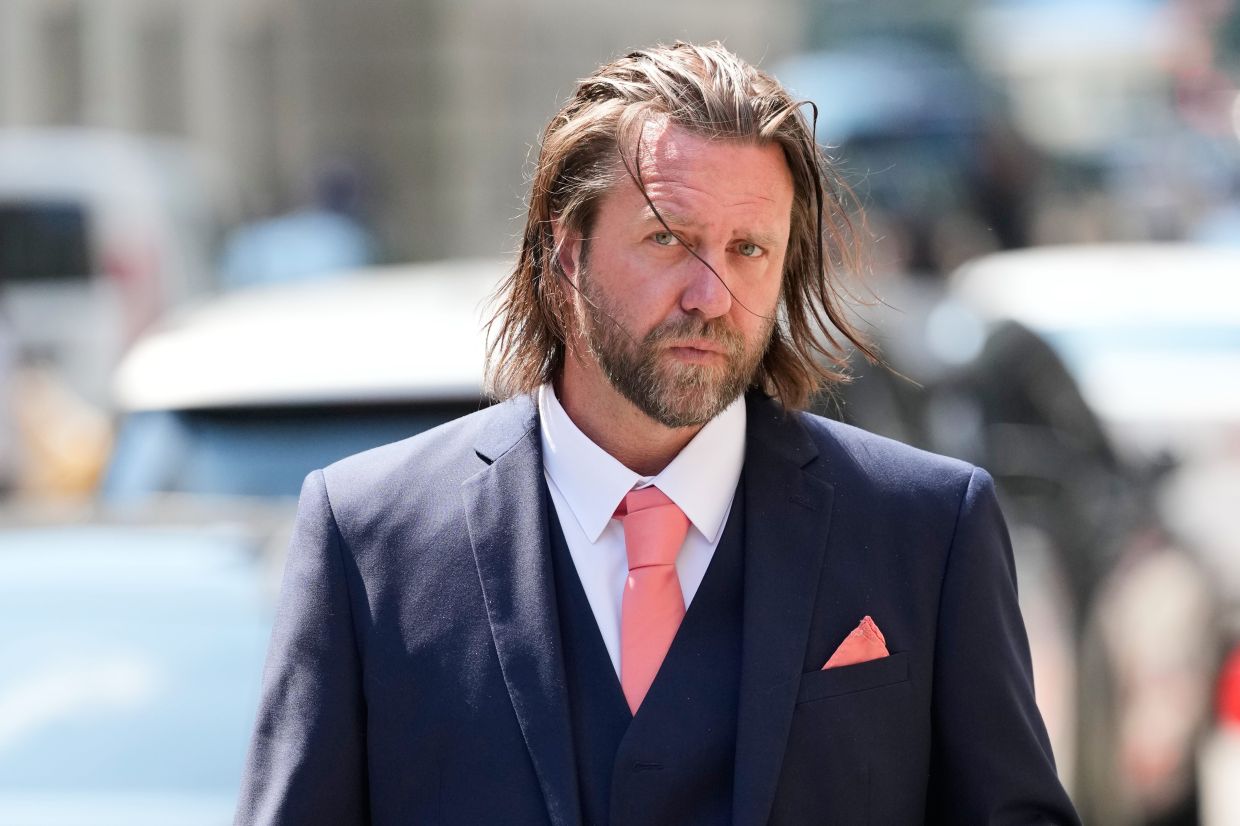
An American film director has been imprisoned following conviction on fraud charges stemming from the misappropriation of millions of dollars provided by streaming giant Netflix. Carl Rinsch, 48, was found guilty of squandering approximately US$11 million that the platform had allocated to him in 2020 for the development and production of a science fiction television series, marking a high-profile case of financial misconduct within the entertainment industry.
Prosecutors alleged that instead of channelling the substantial sum into legitimate creative production work, Rinsch engaged in a pattern of reckless financial behaviour that included placing aggressive bets on volatile stock options and cryptocurrency markets. The misuse of funds extended to personal extravagances, with court records indicating purchases of designer apparel, high-end furnishings, luxury automobiles including a red Ferrari sports car, and five Rolls-Royce vehicles—a collection that underscores the scale of personal enrichment at the expense of the streaming corporation's investment.
Jay Clayton, the United States Attorney representing the Southern District of New York, characterised the conduct in direct terms, emphasising the deliberate diversion of resources from their intended purpose. The prosecutor's statement highlighted the fundamental breach of trust inherent in Rinsch's actions, noting that creative funds designated for production had instead financed speculative ventures and displays of personal wealth.
Beyond the custodial sentence imposed by the court, Rinsch was required to forfeit the entire US$11 million sum, effectively returning what remained of the misappropriated funds to Netflix. This dual penalty reflects the seriousness with which the judicial system treated the case, combining incarceration with full financial restitution and asset recovery.
Prior to sentencing, Rinsch's legal representatives submitted appeals requesting judicial leniency, framing the financial misconduct as symptomatic of severe personal and professional pressures. His defence team argued that the director's actions had occurred during a tumultuous period marked by intense career-related stress and an acrimonious divorce proceeding, factors they suggested should weigh in favour of reduced penalties. Such mitigating arguments are common in white-collar crime cases, though courts increasingly weigh them against the gravity of breaching fiduciary obligations.
The underlying project that catalysed the dispute was initially designated as a science fiction series with an ambitious conceptual foundation. According to judicial documents, the narrative framework centred on a scientist protagonist who engineers a cadre of biologically advanced clones, subsequently exiling them to an isolated, fortified zone within a Brazilian urban environment. Within this constrained setting, the clones would evolve technologically while simultaneously engaging in conflict with both baseline human populations and amongst themselves—a premise that suggested substantial production complexity and associated costs.
While Netflix was never formally identified in prosecutorial filings, industry reporting had previously documented significant disagreements between Rinsch and the streaming platform concerning the development trajectory and delivery schedule of the planned series. These disputes appear to have occurred within the context of project mismanagement and non-delivery, circumstances that likely prompted Netflix to investigate Rinsch's use of allocated funds and ultimately cooperate with federal authorities.
Rinsch's entry into feature film directing occurred through earlier cinematic work, establishing him as a creative professional with established industry credentials before the Netflix assignment. This background makes the subsequent fraud particularly notable, as it represented a departure from professional norms within the creative community and damaged his standing as an established filmmaker.
Notably, acclaimed director Keanu Reeves submitted correspondence to the sentencing judge advocating for compassionate treatment of his former collaborator. Reeves characterised Rinsch as an "exceptional artist" whose professional trajectory had been undermined by self-destructive decision-making patterns, requesting mercy and leniency from the judicial authority. The intervention by an established Hollywood figure provided character testimony regarding Rinsch's creative capabilities, though ultimately did not persuade the court to abandon or substantially modify the imposed penalties.
The case carries broader implications for the entertainment industry and streaming platforms, highlighting vulnerabilities in project funding mechanisms and the necessity for enhanced oversight when allocating substantial sums to individual creators. For Southeast Asian stakeholders and audiences, the precedent underscores how international production partnerships and streaming platform investments operate within robust legal frameworks that criminalise misappropriation, regardless of an individual's professional reputation or creative credentials. The conviction demonstrates that even prominent creative figures face prosecution when fiduciary responsibilities are violated, establishing a cautionary precedent for the region's expanding film and television production sector as it attracts greater multinational investment.

