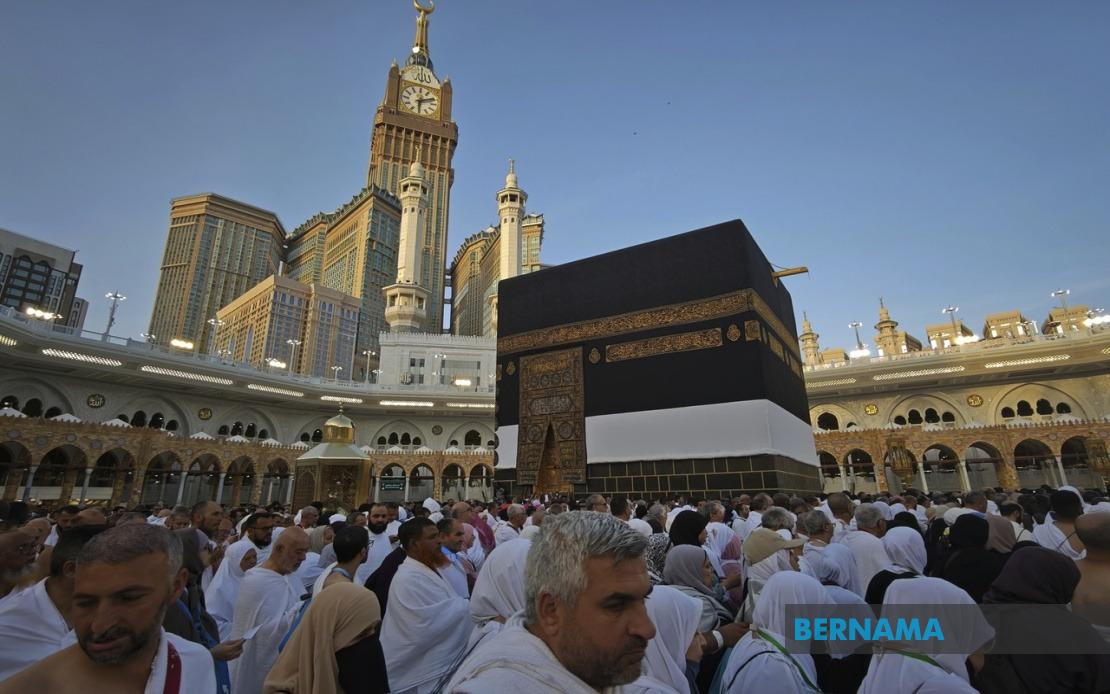
Malaysia's diplomatic mission in Jeddah moved swiftly to dispel circulating social media reports on Sunday, confirming that every Malaysian pilgrim from the 1447H/2026 Haj season has completed their sacred journey and returned to the country on schedule. The Consulate General issued a formal statement clarifying that no Malaysian haj participants remain in Saudi Arabia under the current season's operations, directly addressing false claims that had gained traction online.
The reassurance comes as the Pilgrims Fund Board (Tabung Haji) successfully concluded its logistics operation for this year's haj cohort, adhering to the carefully orchestrated timeline established months in advance. Thousands of Malaysian Muslims undertake the annual pilgrimage through Tabung Haji, one of Southeast Asia's largest and most respected pilgrimage management bodies, which coordinates travel, accommodation, and return logistics for domestic pilgrims. The successful completion of return operations underscores the institutional capacity that Malaysia has developed over decades to manage one of Islam's most significant religious observances.
The consulate's statement represents an important moment of official clarification in an era where unverified claims can spread rapidly across digital platforms, potentially causing unnecessary anxiety among families of pilgrims. In recent years, misinformation about haj operations has occasionally circulated during and immediately after the pilgrimage season, sometimes stemming from genuine confusion about staggered return schedules or administrative procedures. The Malaysian diplomatic presence in Jeddah, which serves as a key coordinating point for all aspects of the haj operation, took the initiative to counter false narratives directly and authoritatively.
The timing of the consulate's denial—issued as soon as misleading posts began spreading—reflects lessons learned from previous haj seasons when delayed official responses allowed speculation to fester. Social media platforms have become primary channels through which Malaysian families seek updates about their relatives performing the haj, making rapid official communication essential for maintaining public confidence. The Consulate General's proactive approach demonstrates heightened awareness of the information environment surrounding religious and national occasions.
Tabung Haji's adherence to its published schedule carries particular significance for Malaysian Muslims, whose faith traditions emphasise timeliness and proper ritual completion. The board manages not merely logistics but the spiritual aspirations of tens of thousands of Malaysians annually, making operational excellence both a bureaucratic and deeply personal concern. For families who have saved and prepared for years to send relatives for the haj, the certainty of timely return is both practically and emotionally important.
The false reports illustrate broader challenges that official bodies across Southeast Asia face in managing public information during major national events. Malaysia, as a Muslim-majority nation with significant haj participation, experiences heightened public attention to pilgrimage operations. Rumours can gain credibility if they exploit genuine uncertainties—such as unclear communication about individual return flight dates or the staggered nature of repatriation—making the consulate's unequivocal statement valuable for settling public minds.
The consulate's recommendation that citizens consult official sources rather than rely on unverified social media content reflects a broader institutional effort to establish trust in government communication channels. Tabung Haji maintains dedicated hotlines and online platforms where families can verify information about their relatives' status and return schedules. The Consulate General in Jeddah, working in coordination with Malaysian authorities and Saudi counterparts, serves as the authoritative source for any developments requiring official acknowledgement.
This episode also underscores the interdependence between Malaysian and Saudi Arabian administrative systems during the haj season. The successful management and timely return of Malaysian pilgrims depends on effective coordination between Tabung Haji, the consulate, Saudi authorities, and international logistics providers. When such systems function smoothly—as they did this year—they warrant public recognition, as the consulate's statement implicitly does. Any hiccup in this complex machinery immediately generates speculation, making clear communication even more critical.
For Malaysia's standing as a reliable pilgrimage destination administrator within the Muslim world, the consistent successful management of haj operations matters considerably. Other Muslim-majority nations and diaspora communities observe how well Malaysia executes its responsibilities, with implications for national reputation and the continued willingness of citizens to entrust their spiritual journeys to the state apparatus. The consulate's swift clarification protects that institutional credibility.
Looking ahead, the episode may prompt Malaysian authorities to consider additional measures for combating pilgrimage-related misinformation, perhaps through pre-emptive communication strategies or enhanced social media monitoring during peak periods. Public awareness campaigns about distinguishing official sources from rumours could help reduce the velocity at which false claims spread. Enhanced real-time tracking and notification systems might also provide families with continuous visibility into their relatives' return journey stages, reducing space for speculation.

