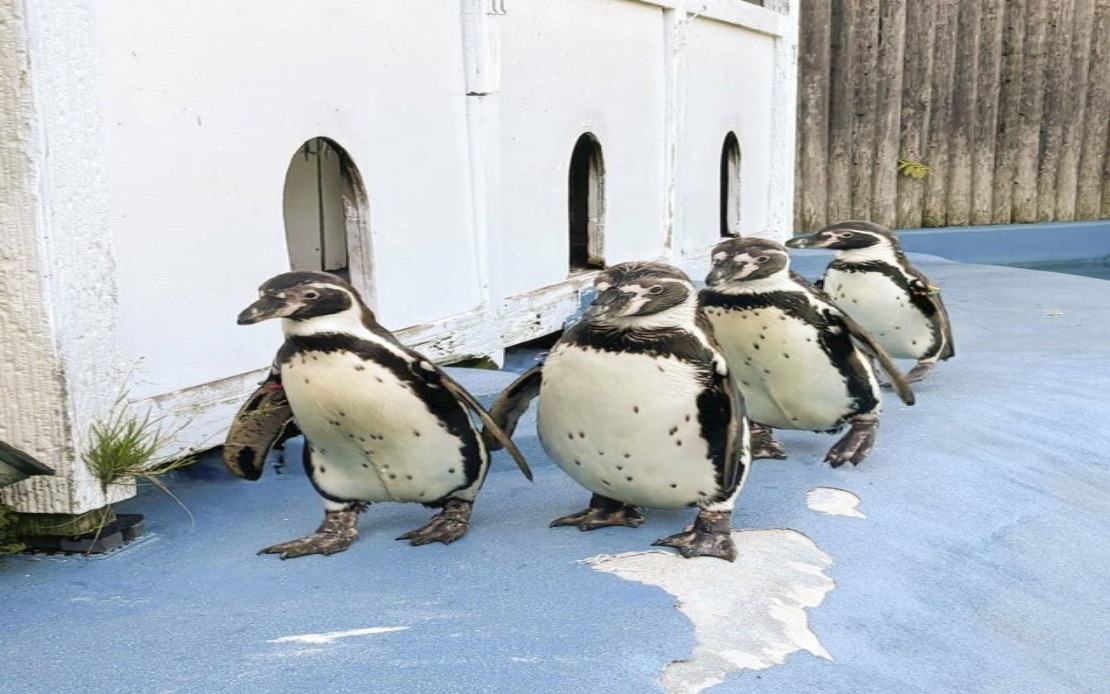
Four Humboldt penguins housed at Yagiyama Zoological Park in Sendai, northeastern Japan, have all succumbed to avian malaria, according to investigation results released on Friday. The findings represent a significant loss for the facility and underscore the vulnerability of exotic animal collections to infectious disease, even in well-managed zoo environments. The deaths occurred over a ten-day period from July 9 to 19, with the male penguin Aramasa being the first to perish, followed by the remaining three birds in rapid succession.
Avian malaria, a parasitic illness spread through mosquito bites, presents unique challenges for zoo management because infected birds often display no warning signs before the disease becomes critical. In this case, none of the four penguins exhibited any visible symptoms until the day immediately before their deaths, making early intervention impossible. The rapid progression from apparent good health to fatality illustrates how insidious this pathogen can be, particularly in aviary settings where mosquito control may be difficult to maintain consistently throughout warmer months.
Iwate University conducted the post-mortem investigation on behalf of the zoo, systematically confirming avian malaria as the definitive cause across all four specimens. This scientific validation, while confirming the zoo's initial suspicions, provides essential data for understanding how the outbreak occurred and what preventive measures might prove effective. The university's involvement demonstrates the collaborative approach Japanese institutions take towards animal health emergencies, combining zoo expertise with academic research capacity.
The disease itself poses no direct threat to human populations, representing a concern confined to avian species. However, this reassurance offers little comfort to the Yagiyama facility, which has lost a significant portion of its penguin collection and now faces the complex task of rebuilding its exhibit. The psychological impact on staff members who cared for these animals should not be underestimated, as many zoo workers develop strong bonds with the creatures under their stewardship.
Humboldt penguins, native to the coasts of Peru and Chile, represent a species that has adapted remarkably well to warmer climates compared to Antarctic penguin varieties. This relative tolerance for higher temperatures has made them popular attractions in Japanese zoological collections throughout the country, where they typically thrive in controlled environments. The species' presence in temperate and subtropical zoo settings across Asia, including facilities in neighbouring countries, means similar outbreaks could potentially occur elsewhere in the region if mosquito vector control lapses.
The Yagiyama facility has made no immediate decisions regarding penguin replacement, instead prioritising a comprehensive review of its husbandry and preventive protocols. This cautious approach reflects a broader commitment to ensuring that any future penguin acquisition will occur only once the facility has implemented robust safeguards against recurrence. The zoo's leadership recognises that simply restocking the enclosure without addressing underlying vulnerabilities would risk repeating the tragedy.
Key to the zoo's recovery plan is a fundamental redesign of the penguin enclosure itself, with particular emphasis on eliminating standing water where mosquitoes breed and develop. Puddles, drainage areas, and any water features not part of the primary swimming facilities will require systematic elimination or modification. Additionally, the facility is likely exploring more sophisticated mosquito surveillance and control methods, potentially including regular inspections, targeted pesticide applications during high-risk seasons, and screening improvements to prevent insect entry.
For Malaysian and Southeast Asian zoos, this incident carries important lessons regarding disease management in tropical and subtropical climates, where mosquito populations remain active throughout much of the year. Facility managers across the region should review their own avian health protocols and vector control measures, particularly for species that originated in cooler regions and might face heightened disease susceptibility in warmer environments. The case underscores how even advanced zoo facilities can face unexpected health crises despite best efforts.
The financial and emotional cost of this outbreak extends beyond the immediate loss. Sendai Zoo must now invest in enclosure modifications, enhanced monitoring systems, and potentially consultation with veterinary parasitologists specialising in avian diseases. These expenses, combined with lost visitor interest during the recovery period, represent significant setbacks for an institution dedicated to animal conservation and public education.
The path forward for Yagiyama Zoological Park involves patience and methodical implementation of preventive strategies before attempting to resume its penguin exhibit. Once the facility has demonstrated that its new protocols effectively eliminate mosquito breeding sites and transmission risks, it may gradually reintroduce Humboldt penguins to its collection. This measured approach, while disappointing for visitors who enjoyed observing these charismatic birds, reflects responsible stewardship and a commitment to preventing similar tragedies.

