A helicopter operated by Saudi Aramco crashed near Ras Tanura on Sunday morning, resulting in a tragedy that claimed the lives of all 14 individuals aboard the aircraft. Saudi Arabia's Ministry of Energy confirmed the incident through the Saudi Press Agency, noting that the accident occurred at approximately 6 am local time. The entire crew and passenger manifest consisted of Saudi nationals, marking a significant loss for the kingdom's energy sector.
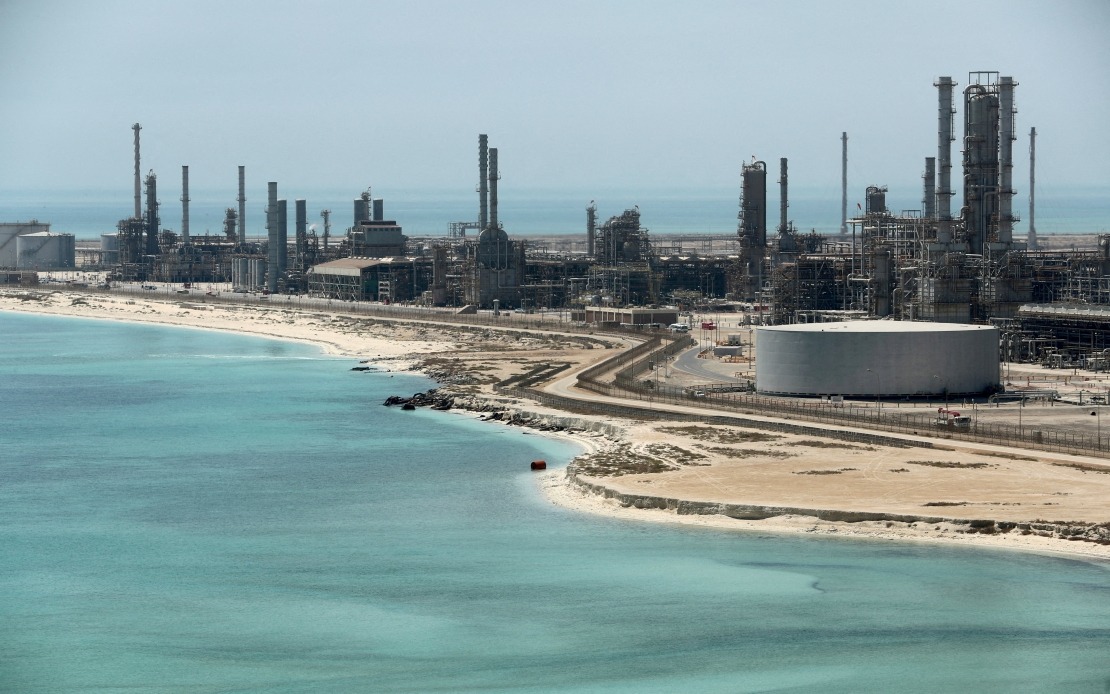
The crash site at Ras Tanura carries particular significance within Saudi Arabia's petroleum infrastructure. Located along the Kingdom's eastern coast overlooking the Gulf, Ras Tanura functions as one of the nation's most critical oil processing and distribution terminals. The facility handles substantial volumes of crude oil refining operations and serves as a crucial export gateway for Saudi petroleum products destined for global markets. The incident at this strategically important location underscores the risks inherent in helicopter operations supporting the energy industry's daily logistics and personnel transport requirements.
Authorities have initiated a comprehensive investigation to establish the precise circumstances surrounding the helicopter's failure. Such inquiries typically examine mechanical factors, weather conditions, pilot error, maintenance records, and operational procedures. The investigation will be crucial in determining whether the crash resulted from equipment malfunction, adverse weather, human factors, or a combination of contributing elements. International aviation experts may potentially be consulted given the scale of the incident and Saudi Arabia's standing within global energy markets.
The Ministry of Energy issued an official statement extending condolences to the families and loved ones affected by the tragedy. In accordance with Islamic tradition and Saudi cultural practice, officials invoked divine mercy and forgiveness for those who perished, characterising them as martyrs in recognition of their service within the nation's vital energy infrastructure. The expression of state sympathy reflects the broader societal impact when personnel engaged in critical national industries lose their lives in workplace accidents.
For Malaysia and Southeast Asian nations, this incident carries implications for regional energy security and supply chain stability. Saudi Arabia remains a dominant supplier of crude oil and petroleum products to Asian markets, including Malaysia. Any disruption to Saudi Aramco's operations, even temporarily, can reverberate through regional fuel prices and refining economics. Malaysian refineries and petrochemical facilities depend on steady supplies of Arabian crude, making operational disruptions at facilities like Ras Tanura a matter of regional economic concern.
The crash also raises broader questions about safety protocols within the international energy sector. Helicopter operations constitute an essential component of modern oil and gas industry logistics, transporting personnel to offshore platforms and remote facilities. The incident at Ras Tanura, despite being a land-based facility, demonstrates that risks extend across all operational environments. Regional energy companies operating in Southeast Asia, including Malaysian firms with international operations, typically maintain their own helicopter transport networks and will likely review their safety procedures in response to this tragedy.
Saudi Aramco, as the world's largest oil producer by volume, operates under intensive international scrutiny regarding its operational standards and safety record. The company has invested substantially in modernising its infrastructure and safety systems following its 2019 drone attacks on Abqaiq and Khurais facilities. However, this incident reminds stakeholders that industrial hazards persist despite technological advances and investment in prevention measures. The investigation outcomes will be closely monitored by international aviation authorities and energy sector regulators globally.
The timing and location of the crash during peacetime operations suggest the incident was not related to security incidents or hostile activities, distinguishing it from previous disruptions that have affected Saudi oil production. This characterisation is important for market confidence, as geopolitical disruptions carry different implications than mechanical or operational failures. Regional markets will await investigation findings with particular attention to whether systemic issues or isolated factors caused the accident.
For Malaysian policymakers and industry leaders, the incident underscores the importance of robust safety standards and emergency preparedness within energy infrastructure sectors. As Malaysia continues developing its downstream petroleum industries and expanding regional operations, the lessons derived from major accidents abroad inform domestic regulatory frameworks and corporate governance practices. The tragedy serves as a sobering reminder that the energy industry's operational demands place workers in inherently hazardous environments requiring constant vigilance and investment in safety systems.
The loss of 14 skilled professionals represents a significant human tragedy within Saudi Arabia's energy workforce. Beyond the immediate impact on bereaved families, such incidents affect institutional knowledge and operational continuity within energy corporations. Aramco will need to address workforce morale and confidence in safety protocols following this disaster. The broader energy sector across the Gulf region and internationally will monitor how the company responds to the investigation findings and whether corrective measures are implemented.

