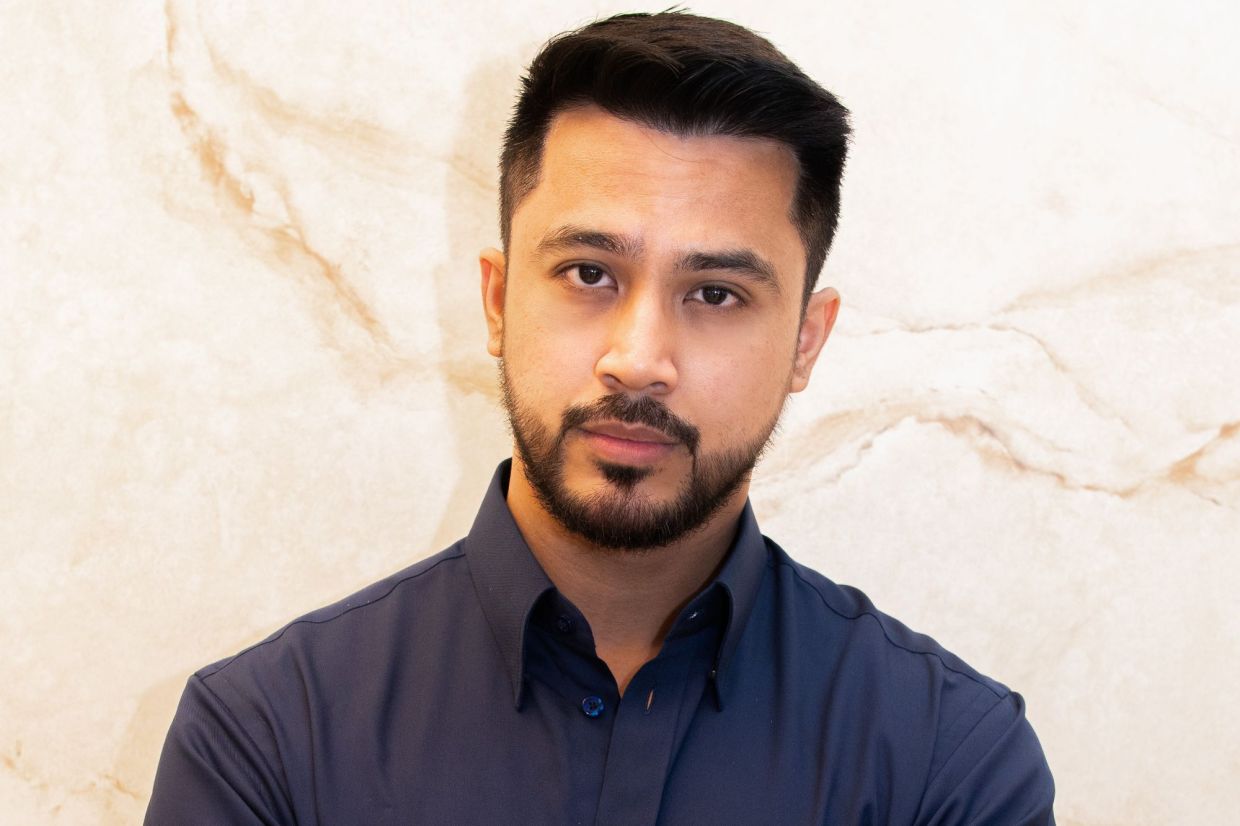
Malaysian actor and singer Aliff Aziz has made his comeback to drama production with a starring role in an iQiyi series that puts him in the uncomfortable position of portraying an unfaithful husband. The 35-year-old's character, Adli, engages in morally questionable behaviour including removing his wedding ring to convince a woman to date him after she expresses her reluctance to become involved with a married man. The decision to accept this particular role demonstrates either considerable courage or a deliberate choice to confront his personal circumstances head-on through his craft.
The timing of Aliff's return to the small screen carries particular weight given the tumultuous events that unfolded in March 2024. He became the subject of widespread public scrutiny when he was caught in a khalwat incident, a religious transgression that triggered a cascade of consequences affecting his personal life and professional reputation. This controversy culminated in his divorce from Malaysian singer-actress Bella Astillah, a separation that gained significant media attention and left him as a single father to their two children. During the months following this incident, Aliff maintained a presence on social media through music videos and personal posts, but his absence from dramatic television work was notable and understandable given the circumstances.
When approached about the iQiyi production, Aliff acknowledged wrestling with significant reservations about how audiences might perceive him in such a role. The psychological burden of playing a character whose infidelity mirrors the real-world situation that destroyed his marriage represents a unique challenge for any performer. Speaking at the series launch, the actor candidly admitted that initial anxiety about public reaction had crossed his mind repeatedly. The question of whether audiences could separate the performer from the performed, whether they could judge Adli as a fictional creation rather than viewing the role as autobiographical commentary, weighed heavily on his decision-making process.
However, Aliff ultimately reframed his approach by focusing on his professional obligations as an actor rather than allowing personal apprehension to guide his choices. He articulated a clear philosophy about the distinction between personal life and professional responsibility, emphasising that bringing a fictional character to life requires commitment regardless of external circumstances. He explained that his primary obligation lay in delivering a compelling performance that would satisfy the director and production team, which he believed he had achieved. This approach reflects a maturity in his thinking about his craft, suggesting that he views acting as a discipline separate from his identity as a person.
The director, Eyra, provided crucial support for Aliff's involvement by explicitly stating that she was unmoved by the controversy surrounding his personal life. Her selection of Aliff was predicated entirely on his abilities as a performer rather than considerations of his recent scandals. She emphasised his natural talent for acting, his discipline on set, and his professional dedication to understanding and embodying his character. Such endorsement from someone in a position of artistic authority carries weight in an industry where reputation can determine future opportunities. Eyra's willingness to cast Aliff despite the controversy signals confidence in his abilities and perhaps reflects a broader industry perspective that personal failings need not permanently exclude individuals from professional opportunities.
The narrative framework of the iQiyi series extends beyond simple depiction of marital infidelity. According to Eyra, the title refers to concepts of sweetness and poison that inhabit all three main characters, suggesting a thematic exploration of human complexity rather than moral simplification. She articulated that the production is fundamentally concerned with examining the choices individuals make and the consequences that inevitably flow from those decisions. This framing allows the series to function on multiple levels—as entertainment, certainly, but also as an exploration of ethical dilemmas and human fallibility. For Aliff, appearing in such a nuanced work potentially allows viewers to engage with themes of accountability and redemption that may resonate with his own circumstances.
Aliff has spoken openly about the emotional and intellectual demands of the role. When he first encountered the script, he recognised immediately that the material represented significantly new territory in his career. His character Adli contains considerable psychological depth and undergoes substantial emotional transformation throughout the narrative. Moving such a complex character from written page to visual performance required sustained concentration and interpretive choices that stretched his abilities as an actor. He framed this challenge not as an obstacle but as an opportunity—precisely the kind of demanding role that excites performers seeking to develop their craft and prove their range.
Beyond the professional considerations, Aliff has articulated a broader philosophical position regarding his personal recovery and future trajectory. Now in his mid-thirties, he expressed awareness that time represents a finite resource that should not be squandered in extended periods of self-recrimination. He explicitly rejected positioning himself as a victim seeking sympathy, instead emphasising his need to cultivate sufficient inner strength to forgive himself and move forward constructively. This reframing of his situation suggests recognition that how he responds to adversity will substantially shape his future—that dwelling endlessly on past failures would constitute a second failure of a different kind.
Aliff's invocation of spiritual support through prayer indicates that his recovery process encompasses both practical professional decisions and deeper personal reflection. He articulated a desire for divine assistance in bearing the burdens he has accumulated, particularly those stemming from his own acknowledged shortcomings. This acknowledgement of personal responsibility—refusing to externalize blame or minimize his role in the events that unfolded—demonstrates a form of accountability that has gained considerable resonance across Southeast Asian audiences increasingly attuned to questions of integrity and redemption.
For Malaysian audiences specifically, Aliff's situation touches on broader conversations about second chances, the role of entertainment professionals in public morality discourse, and the extent to which personal failings should permanently exclude individuals from professional opportunities. His return to acting represents a significant test case for whether the local industry and viewing public can maintain productive distinctions between performers and their characters, between past mistakes and present efforts toward improvement. The success or failure of this iQiyi series will likely influence not only Aliff's trajectory but also broader industry practices regarding the rehabilitation of public figures following scandal.
The project also reflects evolving attitudes within regional streaming platforms toward casting decisions and narrative complexity. iQiyi's investment in producing content that explores morally ambiguous characters and consequences suggests a confidence in audience sophistication and willingness to engage with ethically complicated narratives. For Southeast Asian viewers accustomed to more formulaic entertainment, such series represent a shift toward television that acknowledges human complexity while still engaging with moral dimensions of behaviour. Aliff's participation in this particular production, framed thoughtfully by director Eyra and by Aliff himself as both artistic challenge and personal journey, invites audiences to think beyond simple judgement toward more nuanced understanding of why people make the choices they do and how they navigate the aftermath of those decisions.

