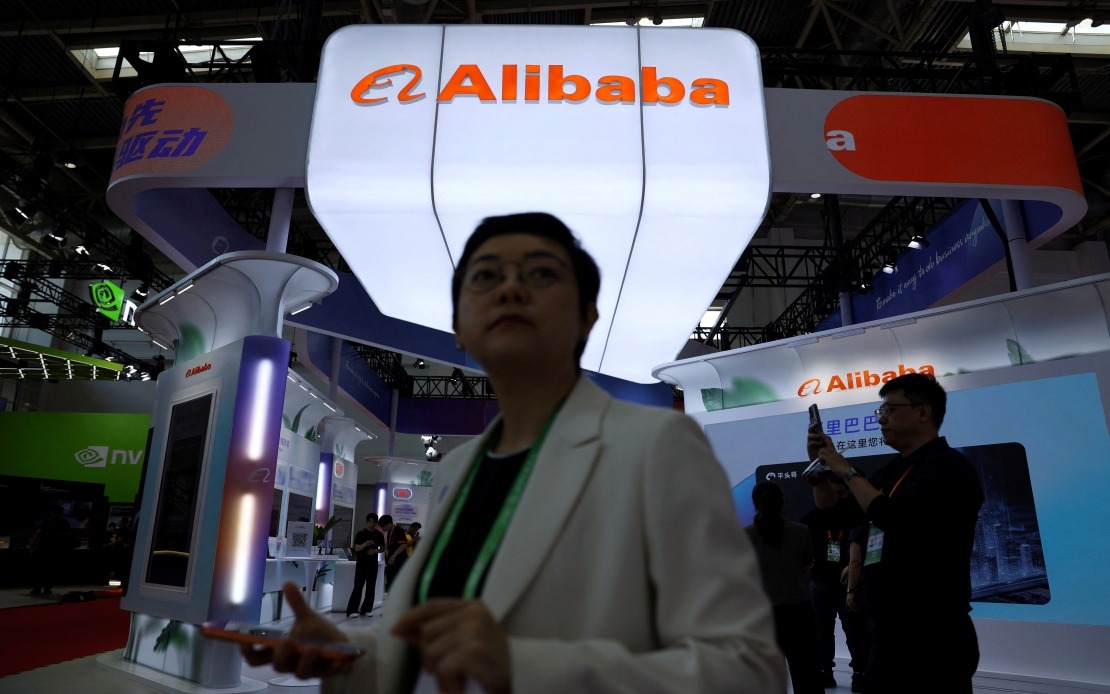
Chinese technology conglomerate Alibaba has escalated its dispute with the United States government by filing a federal lawsuit challenging its recent designation as a company linked to China's military-industrial complex. The court filing, made public on Tuesday, represents a significant pushback against a Pentagon decision that threatens the company's ability to operate and conduct business in American markets and with US-based entities.
The designation in question stems from a June decision by the Pentagon to add 188 companies to its official list of entities deemed to have connections to China's defence and military sectors. Alongside Alibaba, the announcement included other prominent Chinese firms such as Tencent and battery manufacturer BYD. These designations carry substantial consequences, as they can restrict US investment, limit technology transfers, and potentially trigger broader economic penalties under American export control and financial regulations.
In its legal challenge, Alibaba's counsel argues that the Pentagon's determinations are fundamentally flawed, lacking any credible factual evidence or legal justification for the military company label. The company emphasises that it operates under governance structures featuring an independent board of directors, none of whose members possess military affiliations or backgrounds that would suggest state defence sector connections. This assertion of corporate independence and civilian control addresses what appears to be a core assumption underlying the Pentagon's classification.
The company's defence centres on clarifying the nature and scope of its actual business operations. Alibaba contends that its portfolio of products, services, and technological platforms serves exclusively commercial purposes, specifically retail commerce, logistics networks, and enterprise information technology infrastructure. These business lines are fundamental to civilian economic activity across developed and developing markets worldwide, the company argues, and bear no connection to defence or military applications.
Further strengthening its legal position, Alibaba points to explicit contractual terms and internal compliance frameworks that expressly prohibit military applications of its services. According to the lawsuit, the company's customer agreements and regulatory policies contain clear prohibitions against defence-related uses. Additionally, Alibaba notes that it holds neither military certifications nor licences from any government authority, a factor that would typically be essential for firms engaged in legitimate military contracting or supply relationships.
The lawsuit represents a notable development in the increasingly complex relationship between American government agencies and leading Chinese technology companies. The Pentagon's military company designation has become a significant tool in broader US efforts to restrict Chinese technological influence and prevent strategic technologies from flowing to entities with potential defence connections. However, the mechanism has generated controversy regarding whether the designations consistently distinguish between genuine military contractors and civilian-focused technology firms that happen to be Chinese-owned.
For Malaysian and Southeast Asian business observers, the case highlights the practical challenges multinational companies face when caught between escalating US-China technological and economic competition. Regional companies that partner with Chinese technology platforms or rely on their services may face indirect consequences if those platforms are restricted or designated in ways that complicate cross-border commercial relationships. The outcome of Alibaba's legal challenge could establish precedent regarding how rigorously such military designations must be substantiated before implementation.
The timing of the lawsuit also reflects broader corporate strategies among major Chinese technology firms to contest government restrictions rather than accept them passively. By mounting a formal legal challenge in the American court system, Alibaba is signalling its commitment to defending its commercial interests and reputation while simultaneously demonstrating confidence in its governance and operational integrity. Success would require Alibaba to convince courts that the Pentagon acted arbitrarily or without adequate evidence.
The case underscores persistent tensions over how governments classify and regulate foreign technology companies, particularly as artificial intelligence, cloud computing, and data management services become increasingly central to modern economies. Alibaba's argument that it operates in purely civilian commercial sectors reflects a legitimate distinction that regulatory frameworks must accurately capture if they are to achieve their intended policy objectives without inadvertently harming legitimate international business relationships. The resolution of this dispute may influence how future designations are structured and justified.