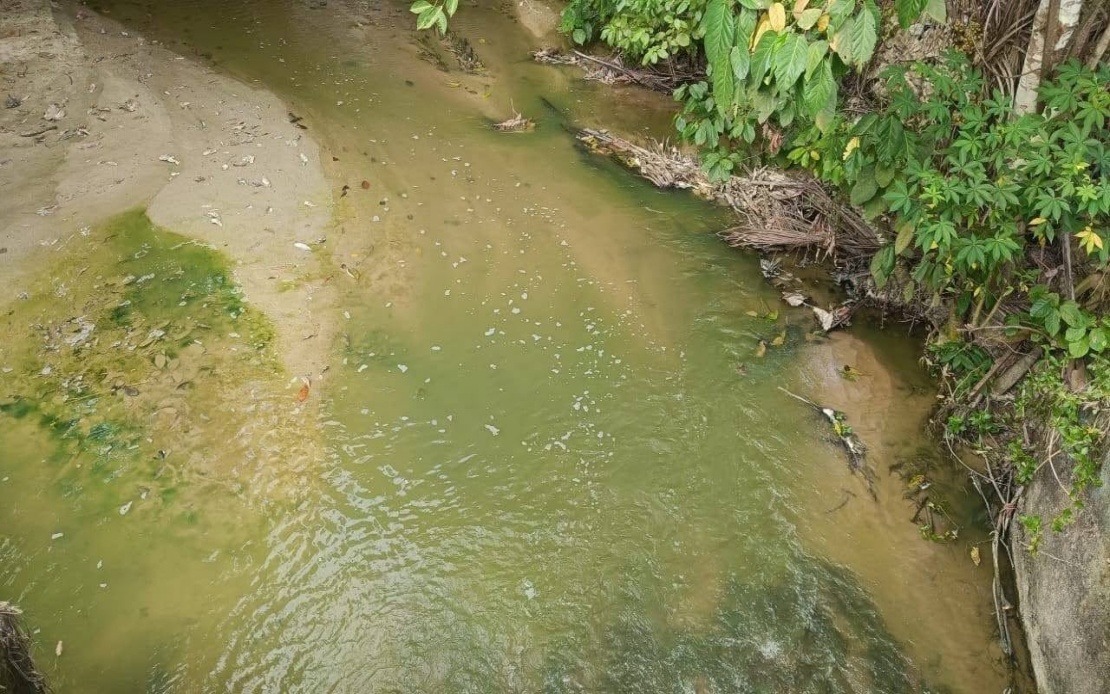
A sudden colour change in the Pertang River in Jelebu, Negeri Sembilan, sparked public concern after social media users circulated screenshots questioning whether industrial discharge had contaminated the waterway. Officials from the state's Department of Fisheries have now provided clarity on the phenomenon, confirming that the vivid green hue resulted from natural algae proliferation rather than pollution.
Kasim Tawe, director of the Negeri Sembilan Department of Fisheries, explained that investigators traced the discoloration to uncontrolled algal growth in fish-farming ponds situated along the river's course. The department's analysis ruled out contamination from industrial or chemical sources, instead attributing the change to environmental conditions currently affecting aquaculture across the region. Extended periods of hot, dry weather combined with insufficient rainfall have created ideal breeding conditions for green algae, which thrived in the stagnant pond waters before influencing downstream colour.
The area in question, a former mining site now rehabilitated for aquaculture, spans approximately 29.54 hectares and supports breeding operations for baung, red tilapia, and Lee Koh fish. These shallow, nutrient-rich waters provide an optimal environment for algae when water circulation decreases and temperatures remain elevated. The situation reflects broader challenges facing Malaysian fish farmers during dry seasons, when maintaining water quality becomes increasingly difficult without active management interventions.
Fisheries officials emphasize that algae presence carries dual implications for aquaculture productivity. Under controlled conditions, algal growth offers tangible benefits to fish farming operations. The organisms generate dissolved oxygen through photosynthesis during daylight hours and provide a natural food supplement for certain species. Additionally, the algae layer creates a natural sunscreen effect, reducing stress on cultured fish by filtering intense solar radiation and maintaining more stable water temperatures. These properties explain why many traditional aquaculture systems have long tolerated modest algal populations as part of natural pond ecosystems.
However, the distinction between beneficial and problematic algae growth hinges critically on density and species composition. When algal biomass becomes excessive, the relationship reverses dramatically. Thick algae mats consume dissolved oxygen rapidly during nocturnal respiration, creating hypoxic conditions that threaten fish survival. Rapid photosynthetic activity by day and decomposition by night can trigger wild fluctuations in water pH, stressing fish physiology. The mats themselves clog gill structures, impairing respiration and increasing disease susceptibility. Farmers operating in the Pertang area must navigate these competing pressures carefully.
Responding to the crisis, the Negeri Sembilan Department of Fisheries has issued practical guidance for local fish breeders seeking to manage algal proliferation before conditions deteriorate further. The recommendations emphasize mechanical aeration during vulnerable nighttime hours when algae consumes oxygen without photosynthetic replenishment. Gradual water exchange, rather than sudden complete changes, maintains microbial balance while reducing algal cell density. Controlled reduction in feeding rates decreases nutrient loading that fuels algal growth. Installation of shade netting protects ponds from excessive solar energy while maintaining partial light for photosynthesis. Application of beneficial bacteria, or probiotics, encourages competing microorganisms that suppress algae expansion. As a final measure, operators may need to reduce stocking densities temporarily, accepting lower productivity to preserve water quality and fish health.
The Jelebu District Fisheries Office, working alongside local police authorities, has established ongoing monitoring protocols for the affected area. This coordinated approach reflects recognition that environmental incidents affecting shared waterways demand inter-agency cooperation. Regular surveillance enables early detection of deteriorating conditions before they impact fish survival or downstream water quality. For residents reliant on the Pertang River for agricultural or domestic purposes, such monitoring provides assurance that environmental standards will be maintained.
The episode illustrates how climate stress increasingly compounds management challenges across Southeast Asian aquaculture. As temperatures rise and rainfall patterns grow erratic, even established farming practices require adaptation. The Pertang situation, while ultimately non-hazardous, demonstrates how quickly ecological imbalances can escalate public anxiety. In Malaysia's densely populated states, where rivers serve multiple economic and social functions, transparency and rapid official response prove essential to maintaining public confidence in water safety.
For the broader aquaculture sector in Negeri Sembilan and neighbouring states, the incident carries cautionary implications. As farming intensifies and climate volatility increases, investments in modern water management infrastructure—including aeration systems, filtration technology, and real-time monitoring equipment—may prove economically justified despite upfront costs. Operations relying on passive natural processes face heightened vulnerability during extended dry periods. Government support for upgrading farm facilities could improve resilience while reducing environmental incidents that damage industry reputation.
The Pertang River situation underscores how environmental challenges do not follow administrative boundaries. Fish farming's ecological footprint extends beyond individual pond perimeters to affect entire riverine systems. Cumulative impacts from multiple operations in the Jelebu area warrant integrated management frameworks that account for collective water demand and discharge patterns. As Negeri Sembilan continues developing its aquaculture sector, balancing growth with sustainable water stewardship remains paramount.

