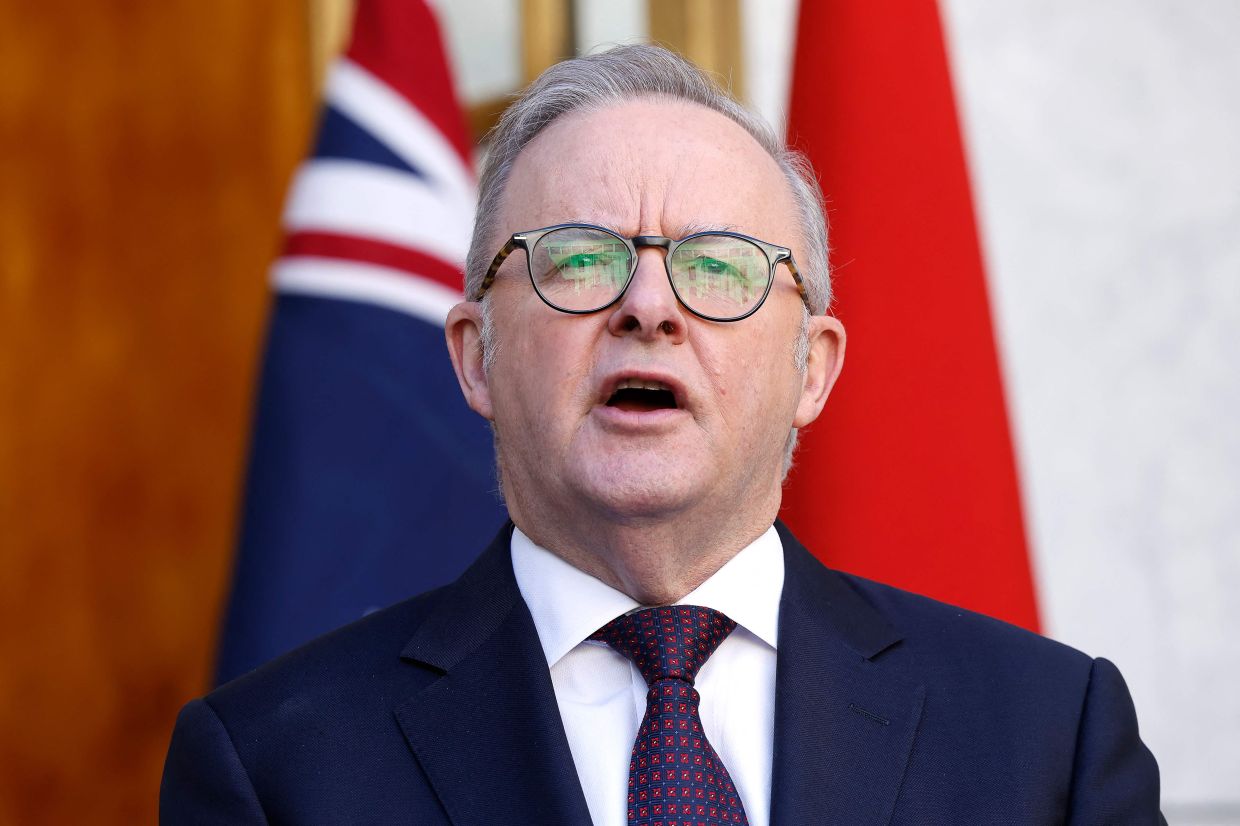
Australian Prime Minister Anthony Albanese remains defiant in the face of mounting pressure to apologise for comments made during a podcast interview that have drawn sharp criticism from political opponents and raised eyebrows about diplomatic propriety. The controversy centres on remarks the leader made during a casual conversation with podcast host Nikki Osborne at his official residence, in which he made light of a high-value gift presented by Japanese Prime Minister Sanae Takaichi when she visited Australia in May.
The incident represents the second public relations stumble for Albanese within weeks, following an earlier apology for crude remarks about singer Kylie Minogue made during the same Bush Deep podcast interview last month. That previous incident, in which he made sexually suggestive comments, had already drawn significant public censure and forced the Australian leader to issue a contrition statement. The latest controversy emerging from the same recorded conversation suggests a pattern of unguarded remarks that have prompted questions about the appropriateness of his conduct during official media engagements.
At the heart of the current dispute lies the cultural significance of the gift itself. Japanese premium melons are prized luxury items commanding extraordinary prices in their home market, with some specimens fetching more than AUS$270 (US$190) according to Japan's former ambassador to Australia. These fruits are not mere produce but carefully cultivated delicacies often given as prestigious gifts to mark important relationships and diplomatic occasions. This cultural context is crucial for understanding why Japanese officials and Australian opposition figures have reacted with such sensitivity to the prime minister's dismissive characterisation of Takaichi's offering.
During the podcast discussion, Albanese described the melon as a "strange" present, suggesting a lack of appreciation for the ceremonial nature of the gift. When host Nikki Osborne jokingly asked whether Takaichi had managed to smuggle the fruit through Australian customs, the prime minister responded with apparently crude innuendo, saying "got a couple of melons". The host then compounded the exchange with a suggestive reference to actress Pamela Anderson, creating a moment of banter that, when extracted and circulated publicly, became increasingly difficult to defend as innocent.
Albanese's refusal to apologise when confronted in parliament on Tuesday has escalated tensions considerably. When asked directly whether he would apologise for what his critics characterised as "disrespectful behaviour", he flatly rejected the premise of the question. His response, "I reject the assertion in the question", suggests a determination to frame the controversy as a misinterpretation rather than acknowledging any genuine offense caused. This defensive posture stands in stark contrast to his willingness to apologise over the Kylie Minogue remarks, raising questions about his calculus regarding when contrition is strategically necessary.
In his parliamentary statement, Albanese sought to rebuild bridges by emphasising the strength of Australia's relationship with Japan. He declared that "Prime Minister Takaichi is a friend of Australia and a friend of mine", attempting to position his comments as an unfortunate misunderstanding between friends rather than a deliberate slight. This rhetorical manoeuvre suggests recognition that diplomatic damage has occurred, even as he refuses to take formal responsibility for it. The invocation of personal friendship serves as a defensive buffer, suggesting that those taking offense are reading malice into comments made in casual, private conversation.
Australia's Foreign Minister Penny Wong has moved to contain the diplomatic fallout, defending the prime minister's position and characterising the controversy as a storm of political opportunism. Wong asserted that Albanese had been clear in his intentions, stating that "the prime minister has not meant for those comments to be interpreted in the way they have been by those opposite", a reference to the opposition parties amplifying the controversy. This defence essentially argues that the fault lies not with Albanese's remarks but with how they have been selectively extracted and weaponised by political adversaries seeking to embarrass the government.
The opposition leader has seized on the incident as evidence of a broader pattern of poor judgment and disrespectful conduct, calling the prime minister's behaviour "insulting" and pressing for a formal apology. For opposition politicians, this represents a tangible opportunity to question Albanese's suitability for high office and his capacity to represent Australia on the international stage with appropriate dignity. The controversy has become less about the melon itself and more about fundamental questions of respect, judgment, and the standards expected of those holding the highest office.
The incident carries implications that extend beyond Australian domestic politics. Japan maintains significant strategic and economic ties with Australia, particularly within regional security frameworks and trade arrangements. Any perception of disrespect towards Japanese leadership, even if unintentional, risks creating diplomatic friction at a sensitive time in the region. For Malaysian and Southeast Asian observers, the episode underscores how casual remarks made in informal settings can rapidly escalate into significant international incidents, particularly when cultural sensitivities and gift-giving customs are involved.
Albanese's apparent strategy of refusing to back down contrasts with the earlier apology regarding Kylie Minogue comments, suggesting he may believe the melon controversy can be contained through steadfast denial and appeals to friendship. However, the continued resistance to apologising, combined with Wong's attempts to reframe the narrative, risks keeping the story in circulation longer than a swift acknowledgment of error might have done. Whether this represents principled refusal or simple poor judgment remains the central question animating Australian political discourse on the matter.

