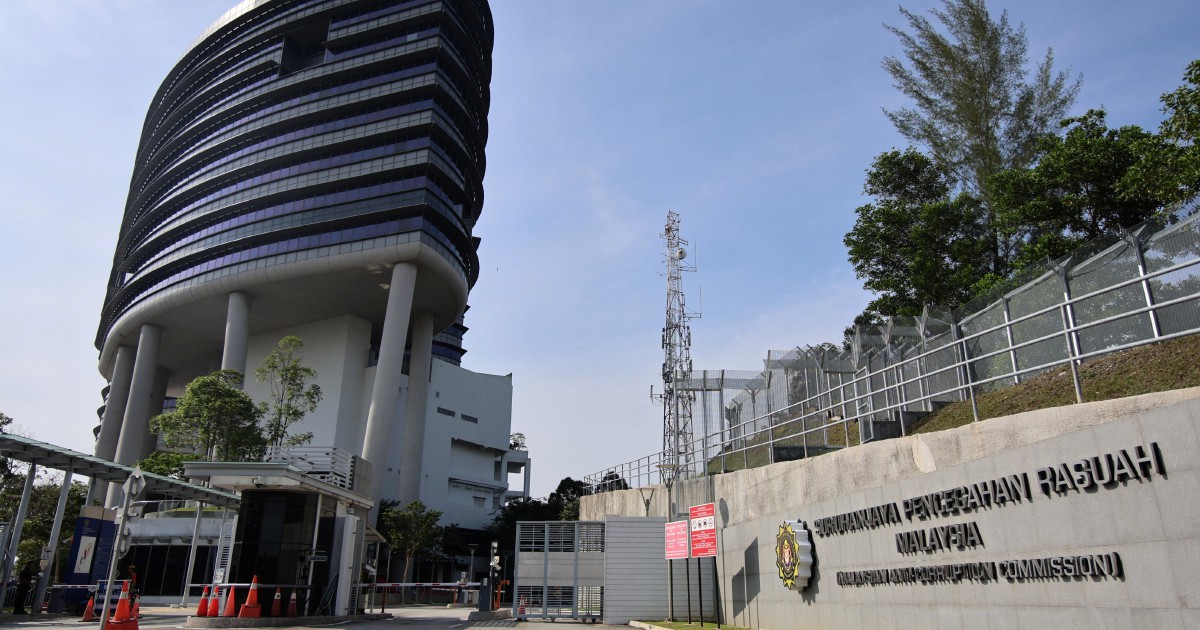
The top executive of Alam Maritim Resources Bhd, Datuk Azmi Ahmad, walked free from Malaysian Anti-Corruption Commission custody in Kuala Lumpur after completing his remand period. The group managing director and chief executive officer's release marks a significant development in what appears to be an ongoing investigation into the operations or conduct of the listed maritime services company.
Alam Maritim Resources Bhd operates within Malaysia's maritime and offshore services sector, an industry that has long attracted regulatory scrutiny given the substantial contracts involved in shipping, port operations, and marine engineering. The company's prominence in this sector means that any investigation into its leadership carries implications not only for the firm's stakeholders but also for broader questions about compliance and governance standards within Malaysia's maritime industry.
The MACC's decision to remand Datuk Azmi Ahmad underscores the anti-corruption body's continued focus on investigating potential wrongdoing among senior corporate figures. While the specific allegations or grounds for his detention have not been publicly detailed, such actions typically relate to questions of financial impropriety, abuse of authority, or breaches of fiduciary duty—matters that the MACC regularly examines in its mandate to combat corruption across both public and private sectors.
The release from remand does not necessarily indicate closure of the investigation. In Malaysian legal practice, the MACC may pursue further inquiries, request additional remand periods, or recommend charges based on evidence gathered during custody. For Alam Maritim, the uncertainty surrounding the investigation's scope and duration could present challenges to operational continuity and shareholder confidence, particularly if the matter remains unresolved for an extended period.
Corporate governance has become an increasingly critical concern for Malaysian regulators and investors alike. Listed companies face mounting expectations to demonstrate transparent operations, robust internal controls, and ethical leadership. The maritime sector, despite its economic importance to Malaysia as a major regional shipping hub and exporter, has occasionally been associated with governance lapses. Regulatory interventions such as MACC investigations serve to reinforce accountability standards and remind corporate leadership of their legal and fiduciary obligations.
For investors in Alam Maritim Resources Bhd, this development raises questions about management stability and the company's capacity to function effectively during a period of regulatory scrutiny. Publicly listed firms are required to keep shareholders and market regulators informed of material developments, and the company will likely need to provide updates on the situation through Bursa Malaysia, the country's stock exchange. This transparency requirement is essential for maintaining market confidence and ensuring that stakeholders can make informed decisions about their positions.
The broader context of anti-corruption enforcement in Malaysia remains significant. The MACC has demonstrated increasing willingness to investigate senior executives and prominent business figures, reflecting a policy stance that no individual is beyond scrutiny regardless of their corporate status. Such enforcement action, when carried through consistently and fairly, contributes to a business environment where ethical conduct is expected and violations carry real consequences.
The maritime services industry in Southeast Asia operates within a competitive and complex regulatory landscape. Malaysian companies in this sector compete internationally and must comply with standards set by shipping authorities, environmental regulators, and labour bodies across multiple jurisdictions. Any governance concerns affecting a major player in this industry can have repercussions for the sector's reputation and for Malaysia's standing as a trusted maritime services destination.
While Datuk Azmi Ahmad's release from remand represents a near-term resolution to his detention, the unfolding investigation will likely continue to occupy regulatory and commercial attention in the coming weeks or months. The maritime industry and Alam Maritim's competitors will be observing how the matter concludes, as the outcome may set precedents or clarify expectations regarding compliance and conduct within the sector. For Malaysia's anti-corruption framework, this case exemplifies the ongoing effort to maintain governance standards across the corporate landscape.

