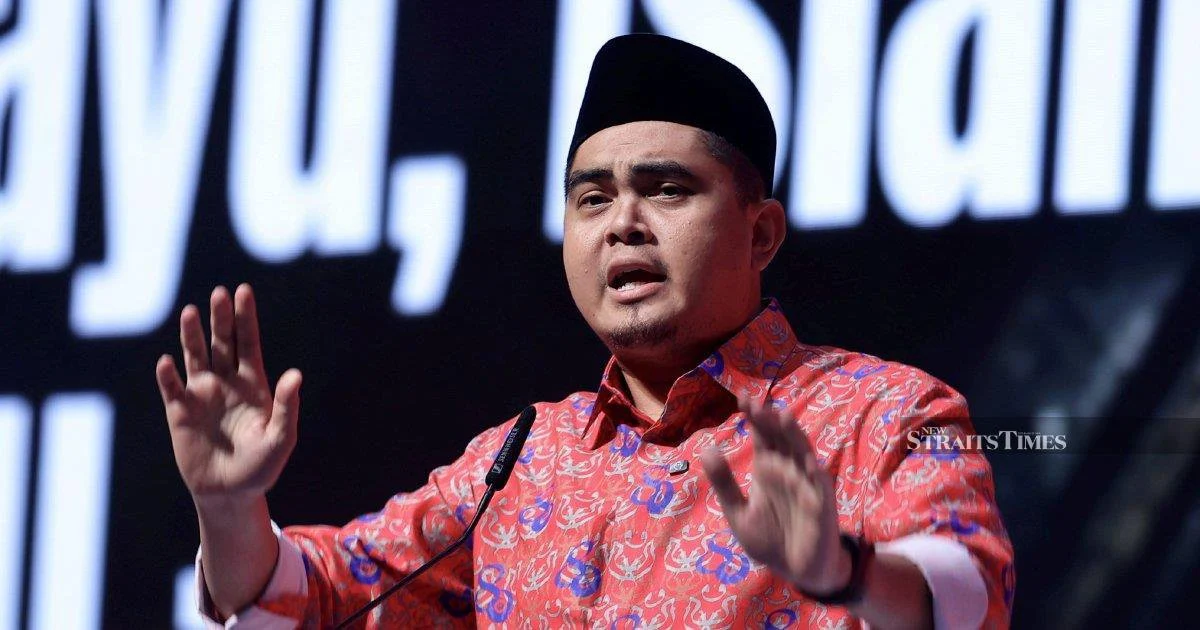
Datuk Dr Akmal Saleh, the chief of UMNO Youth, has intensified pressure on DAP deputy chairman Nga Kor Ming to make good on a previously stated intention to step down from his position in the wake of Barisan Nasional's resounding performance in the Johor state election. The sharp rebuke from the youth wing leader underscores the continuing fallout from the electoral outcome, which delivered a convincing mandate to the BN coalition.
The challenge from Akmal represents part of a broader political response to the outcome in Johor, Malaysia's second-largest state by population and a traditional stronghold of UMNO influence. The election results provided momentum to the ruling coalition at a time when government stability has been a central concern for both political leadership and observers monitoring Malaysia's constitutional arrangements.
Akmal's intervention carries symbolic weight within UMNO's internal hierarchy. As head of the party's youth division, he occupies a position that allows him to articulate sentiments popular among younger party members and grassroots activists. His pointed remarks reflect a strategy of consolidating the perceived victory and maintaining political advantage in the immediate aftermath of the polls.
The reference to Nga Kor Ming's earlier pledge suggests the DAP leader had indicated willingness to take personal responsibility for his party's electoral performance in Johor. In Malaysian political culture, such statements from opposition figures often emerge during moments of defeat or setback, serving as acknowledgments of accountability to party members and the broader electorate. Akmal's invocation of this pledge now represents an attempt to hold the DAP politician to his word.
The tone of Akmal's remarks, particularly the offer to assist in drafting a resignation letter, carries a layer of sarcasm typical of contemporary Malaysian political discourse. Such rhetorical flourishes serve multiple functions: they energise supporters of the ruling coalition, apply public pressure on opposition figures, and generate media attention that extends the narrative of BN's electoral success beyond election day itself.
For DAP, the situation presents a delicate challenge. As a major component of the Pakatan Harapan opposition coalition, DAP's performance in state elections carries implications for its credibility and internal morale. Poor electoral showings in key states can trigger calls for leadership accountability within the party. However, simultaneously capitulating to pressure from rival political forces risks appearing weak or defensive to the party's core supporters.
The broader context involves Malaysia's multi-level political structure, where state elections serve as significant barometers of support for both ruling and opposition coalitions. Johor's status as a populous, economically important state makes its electoral outcomes particularly influential in shaping national political narratives. A decisive BN victory there carries ramifications for the political positioning of both major coalitions heading toward the next federal election cycle.
The exchange also illuminates the personal dimension of Malaysian politics, where individual leaders become focal points for broader party and coalition dynamics. Nga Kor Ming's response to Akmal's challenge—whether he chooses to engage directly, dismiss it as political theatre, or remain silent—will be interpreted as a signal of his standing within DAP and his personal resilience in the face of electoral adversity.
Within DAP's organisational framework, decisions regarding leadership continuity typically rest with the party's internal mechanisms and decision-making bodies rather than external pressure from political opponents. How the party's leadership addresses such calls, whether from within or without, reflects its institutional autonomy and democratic processes. Public demands from rival politicians, while they may create headline-generating political theatre, do not formally constrain such internal party decisions.
The incident reflects the intensifying nature of post-election politics in Malaysia, where victories are leveraged for maximum political advantage through sustained messaging and pressure campaigns. For the BN coalition, maintaining momentum involves keeping opposition figures and parties on the defensive, while for the opposition, weathering such criticism without fracturing internally becomes a test of organisational cohesion.
Looking forward, how this particular episode resolves will form part of the broader narrative surrounding Johor's political reconfiguration and the balance of forces within Malaysian politics. The incident serves as a reminder that electoral campaigns, while momentarily suspended on polling day, continue in different forms as victors and defeated parties adjust to new circumstances and reposition themselves for the contests ahead.

