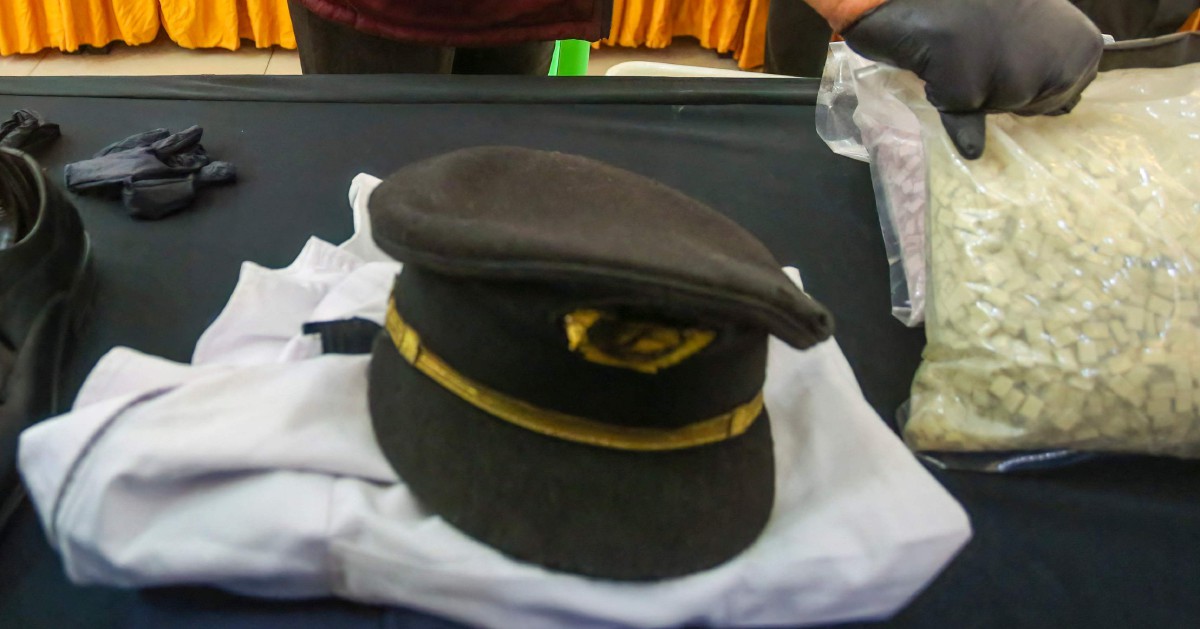
Investigators probing how a Malaysia Airlines pilot allegedly managed to transport drugs through Kuala Lumpur International Airport security have focused their attention on an airport worker in his 30s. The individual has been designated as a person of interest in what is shaping up to be a significant breach of airport security protocols at one of Southeast Asia's busiest aviation hubs.
The involvement of airport personnel in the case raises serious questions about how controlled substances could bypass the multilayered security screening systems that are meant to protect passengers and aircraft. KLIA operates one of the region's most advanced security infrastructures, and any successful circumvention would represent a concerning vulnerability in the airport's overall security framework. The identification of an airport employee as a central figure in the investigation suggests that inside knowledge or direct assistance may have played a role in the alleged smuggling operation.
This development carries significant implications for Malaysia's aviation sector and its international standing. As a major regional hub with connections to the world's leading airlines, KLIA's reputation for security and professionalism is crucial to maintaining confidence among both carriers and passengers. Any confirmed breach involving airport staff would likely trigger broader questions about personnel vetting procedures, background checks, and the adequacy of monitoring systems designed to prevent such incidents.
The case also highlights the vulnerability of security systems when internal actors are involved. External security measures, no matter how sophisticated, can be rendered ineffective if individuals working within the system choose to facilitate illegal activities. Airport authorities will likely need to conduct a comprehensive review of access protocols, staff training, and oversight mechanisms to identify where controls may have been circumvented.
Malaysia Airlines, as the operator at the center of the alleged incident, faces reputational challenges regardless of the pilot's actual involvement or guilt. The airline will need to demonstrate swift cooperation with authorities and commitment to addressing any systemic security issues that may have enabled the alleged breach. Airlines worldwide depend on customer trust, and any association with smuggling or security lapses can have lasting effects on brand perception.
The investigation also raises questions about the extent to which staff members at major airports may be approached or coerced into facilitating illegal activities. International smuggling networks often target airport workers who have legitimate access to restricted areas, viewing them as potential weak points in otherwise robust security systems. Understanding how recruitment and pressure tactics operate in such networks could provide valuable intelligence for preventing future incidents.
For regional airports and aviation authorities across Southeast Asia, this case serves as a cautionary reminder that security vigilance must extend to personnel management and internal controls. Many major hubs in the region are upgrading their technology and procedures to combat smuggling, but human factors remain a critical variable that cannot be entirely removed from the equation through technology alone.
The investigation's focus on airport staff also suggests that authorities are pursuing a methodical approach, examining not just the pilot's movements and behavior but the entire supply chain of access and opportunity. This comprehensive investigative strategy is appropriate given the complexity of modern airport operations, where multiple departments and contractors interact daily.
As investigations continue, the case will likely yield broader insights into how aviation security can be enhanced in Malaysia and across the region. Whether the airport employee is ultimately charged or cleared, the incident underscores the ongoing challenge that law enforcement and airport authorities face in maintaining security in environments where convenience and efficiency must be balanced against the imperative to prevent criminal activity and protect public safety.

