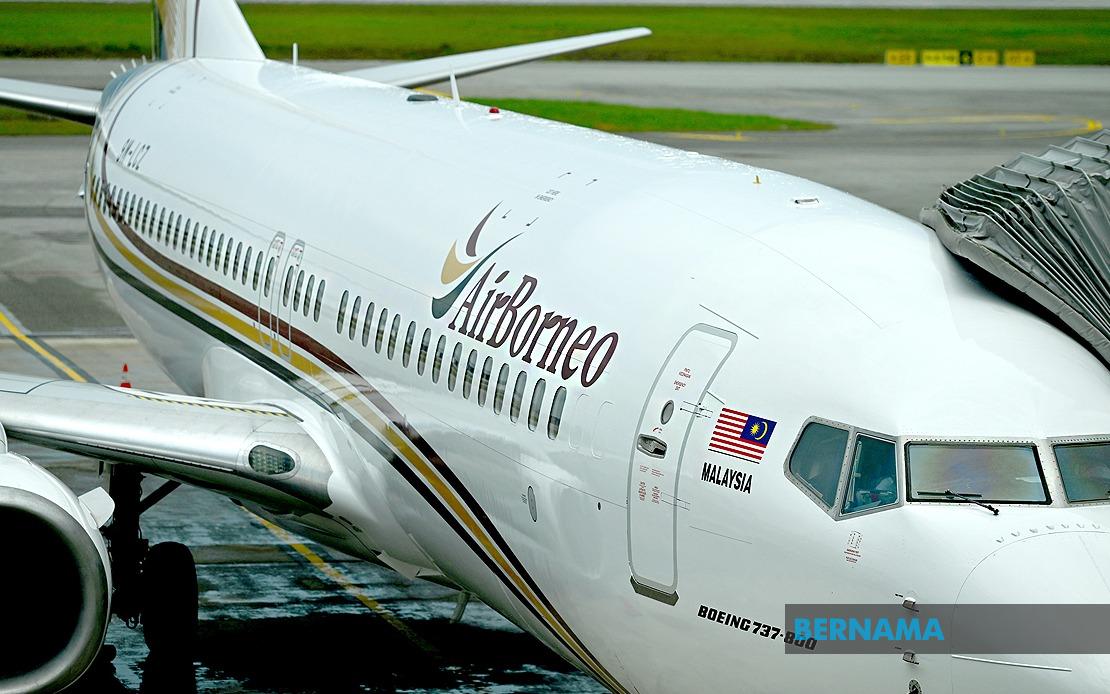
AirBorneo, the Sarawak-based airline, has issued a formal apology to passengers following a technical malfunction that delayed Flight MY5004 travelling from Kuala Lumpur to Kuching. The incident, which occurred on July 20, resulted in a departure time of 7.30 pm instead of the originally scheduled arrival. The airline's prompt response underscores ongoing challenges faced by regional carriers managing passenger expectations during unforeseen operational disruptions.
In its official statement, AirBorneo emphasised that safety protocols formed the cornerstone of its operational philosophy, guiding all decisions made during the delay period. The airline's decision to ground the aircraft until the technical issue was fully resolved reflects industry-standard practice, whereby mechanical concerns are addressed comprehensively before passengers are permitted to board. This cautious approach, while temporarily inconveniencing travellers, aligns with international aviation safety standards that Malaysian regulatory authorities and the broader regional aviation community have consistently reinforced.
The airline's customer service response during the delay demonstrates awareness of passenger welfare considerations. AirBorneo's ground staff provided regular communications to affected travellers, ensuring they remained informed about the situation's progression. Beyond mere updates, the airline supplied meals and refreshments to waiting passengers, recognising that extended delays create both physical discomfort and mounting frustration among those dependent on timely connections.
This incident reflects broader operational realities facing Malaysia's aviation sector, particularly regional carriers operating between major hubs and secondary destinations like Kuching. Technical delays, though rare when proper maintenance protocols are observed, can cascade through flight schedules and impact connecting passengers across multiple routes. For business travellers and time-sensitive journeys, such disruptions carry significant consequences, extending beyond mere inconvenience to potentially affecting commercial commitments and family obligations.
AirBorneo's acknowledgement of passenger inconvenience and appreciation for their patience suggests the airline recognises the reciprocal relationship between carriers and customers. Travellers, despite their frustration, ultimately prioritise their safety over schedule adherence. The airline's transparent communication throughout the delay period likely influenced passenger perception, transforming a negative experience into one where the airline's proactive approach to safety communication could enhance rather than damage its reputation.
The Sarawak airline operates in a competitive environment where regional carriers increasingly compete on service quality and reliability. Malaysia's growing tourism sector and expanding business connections between major urban centres and Sarawak have increased traffic on routes like Kuala Lumpur to Kuching. Airlines operating these corridors must maintain high service standards whilst managing inevitable operational challenges that arise from ageing infrastructure, weather considerations, and mechanical variabilities inherent to aviation operations.
AirBorneo's commitment to maintaining safety standards whilst delivering reliable services represents a balancing act familiar to all carriers navigating Southeast Asia's diverse operational environment. Aircraft operating tropical routes face unique environmental challenges, from high humidity affecting electronic systems to sudden weather changes requiring schedule flexibility. These regional considerations distinguish Southeast Asian aviation from operations in more temperate climates, requiring carriers to invest substantially in preventive maintenance and technical expertise.
The airline's statement reaffirmed its dedication to upholding highest safety standards, suggesting that the technical issue triggering Flight MY5004's delay did not indicate systematic maintenance failures but rather isolated technical matters caught and resolved through proper operational protocols. For passengers considering future travel with AirBorneo, this transparent approach to safety prioritisation may provide reassurance that the carrier places passenger welfare above schedule adherence.
Looking forward, this incident serves as a reminder to travellers that occasional delays, whilst frustrating, often reflect airlines' commitment to safe operations rather than negligence. Malaysian regulatory frameworks governing civil aviation mandate rigorous maintenance schedules and safety protocols that AirBorneo must observe. Airlines facing technical issues face regulatory consequences for schedule disruptions, creating inherent incentives to resolve problems swiftly rather than operate compromised aircraft.
The broader implications for Malaysian aviation consumers involve recognising that regional carriers like AirBorneo operate within constraints different from international long-haul operators. Secondary routes and smaller markets generate lower revenue margins, limiting investment in fleet modernisation. Yet these carriers serve vital connectivity functions linking Malaysia's diverse regions, making their reliability crucial for national economic integration and tourism competitiveness.

