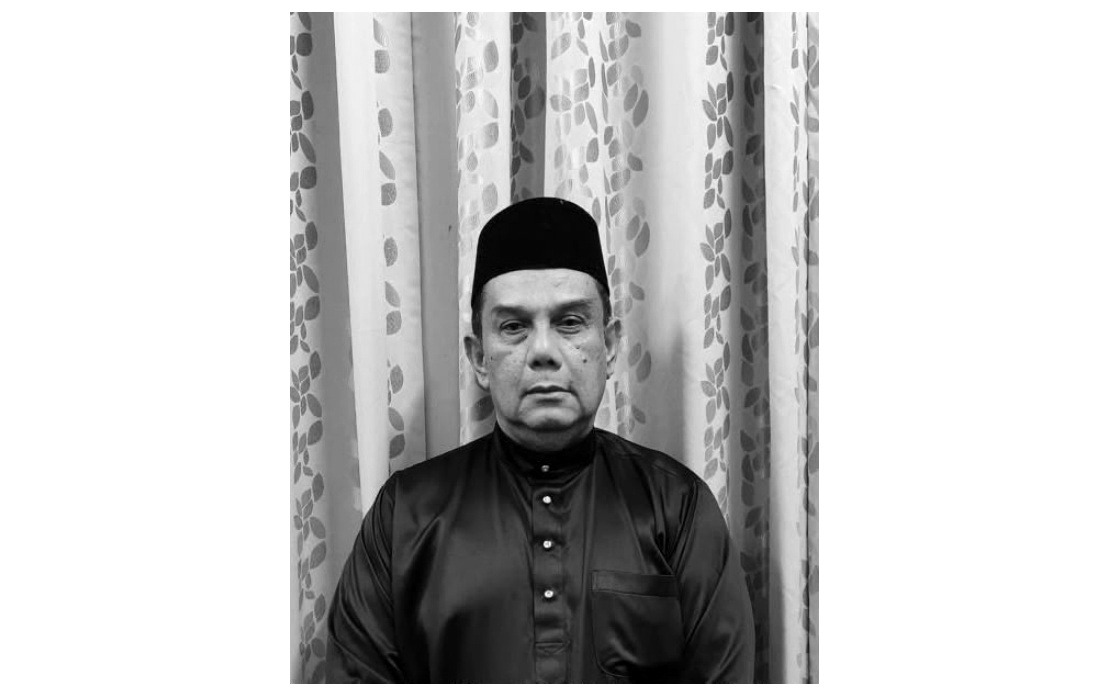
Datuk Jailani Harun, the diplomatic officer attached to UMNO president Datuk Seri Dr Ahmad Zahid Hamidi, has died at Hospital Serdang in Kuala Lumpur this morning. The veteran former journalist, who transitioned into diplomatic service within the party hierarchy, passed away at 11.34 am, with news of his death promptly confirmed through the Office of the Deputy Prime Minister. His eldest daughter, Nabilla, aged 33, also verified the passing when contacted by Malaysian news agency Bernama.
The death marks a significant loss within UMNO's upper echelons, where Jailani had built a distinguished career spanning journalism and political diplomacy. His role as diplomatic officer placed him in a sensitive position bridging communication between the party leadership and various stakeholders, a responsibility that demanded both political acumen and media expertise honed over decades in the newsroom. The specific circumstances surrounding his passing have not been disclosed, though his death comes at a time when Malaysian politics continues to navigate complex coalition dynamics at both federal and state levels.
Funeral arrangements have been swiftly organised in accordance with Islamic custom. The deceased's body will be transported to Al-Mubarakah Mosque located in Taman Bukit Cheras for funeral prayers, followed by burial at the Alam Damai Cheras Cemetery after the Asar prayer. These ceremonies are expected to draw members of the political establishment and media fraternity given Jailani's standing in both professional circles.
Communications Minister Datuk Fahmi Fadzil has already extended condolences to the bereaved family and associates. In a statement posted on Facebook, Fahmi expressed hopes that Jailani's relatives would find fortitude during their period of grief. He invoked religious sentiment by requesting divine compassion for the departed's soul and asking that the deceased be granted a place among the righteous, reflecting the customary expressions of sympathy prevalent in Malaysian political discourse when senior figures pass away.
Jailani's career trajectory exemplified the intersection of journalism and political service that has long characterised Malaysia's political establishment. His transition from newsroom to diplomatic office suggested recognition of his communication skills and discretion—qualities essential for anyone serving in close proximity to senior party leadership. The diplomatic officer role, though less publicised than ministerial positions, carries considerable influence in shaping internal party narratives and managing external perceptions of the party leader's agenda.
The loss comes during a period of significant political repositioning within UMNO, Malaysia's oldest and traditionally dominant political party. Ahmad Zahid Hamidi's leadership of the party has been characterised by efforts to consolidate UMNO's position within the broader political landscape, particularly as the party navigates its relationship with other Barisan Nasional components and its stance relative to Pakatan Harapan. The availability of trusted advisors and skilled communicators like Jailani has been crucial to managing these delicate political relationships.
Within Southeast Asia's political context, the loss of experienced diplomatic officers and communication specialists reflects broader challenges facing established political parties in the region. As political competition intensifies and media landscapes become increasingly fragmented, the role of seasoned professionals capable of crafting compelling narratives and managing stakeholder relations has become more valuable. Jailani's expertise in both traditional journalism and contemporary political communication positioned him as an asset during a period when parties must compete across multiple platforms simultaneously.
The passing also underscores the personal dimensions of political service that often remain invisible to the broader public. While headlines focus on policy announcements and parliamentary debates, the individuals who facilitate these narratives behind the scenes—the advisors, officers, and strategists—play pivotal roles in shaping Malaysia's political discourse. Jailani's death removes one such influential voice from the political communications landscape.
For Ahmad Zahid Hamidi personally, the loss represents the departure of a long-serving confidant whose understanding of both media operations and party mechanics made him an invaluable counsel. The replacement of such personnel is seldom straightforward, as the skills and judgment required cannot be quickly replicated through standard recruitment processes. The need to identify a suitable successor will likely occupy the UMNO leadership's attention in coming weeks as they seek to maintain continuity in their communication strategies.
The incident also serves as a reminder of the demands placed on individuals within Malaysia's political sphere, where the intersection of public accountability and private responsibility creates constant pressure. Those in advisory positions must simultaneously manage relationships with party leadership, the media, other politicians, and the general public—a role that demands exceptional interpersonal capabilities and emotional resilience.
As news of Jailani's passing circulates through political and media circles, tributes are likely to flow from colleagues and associates who worked alongside him throughout his career transitions. Such expressions will illuminate his contributions to Malaysian political discourse and his reputation among those familiar with his work. His departure from the political stage removes one voice from among the shrinking generation of senior advisors who came of age during Malaysia's pre-digital political era and successfully adapted to contemporary communication environments.

