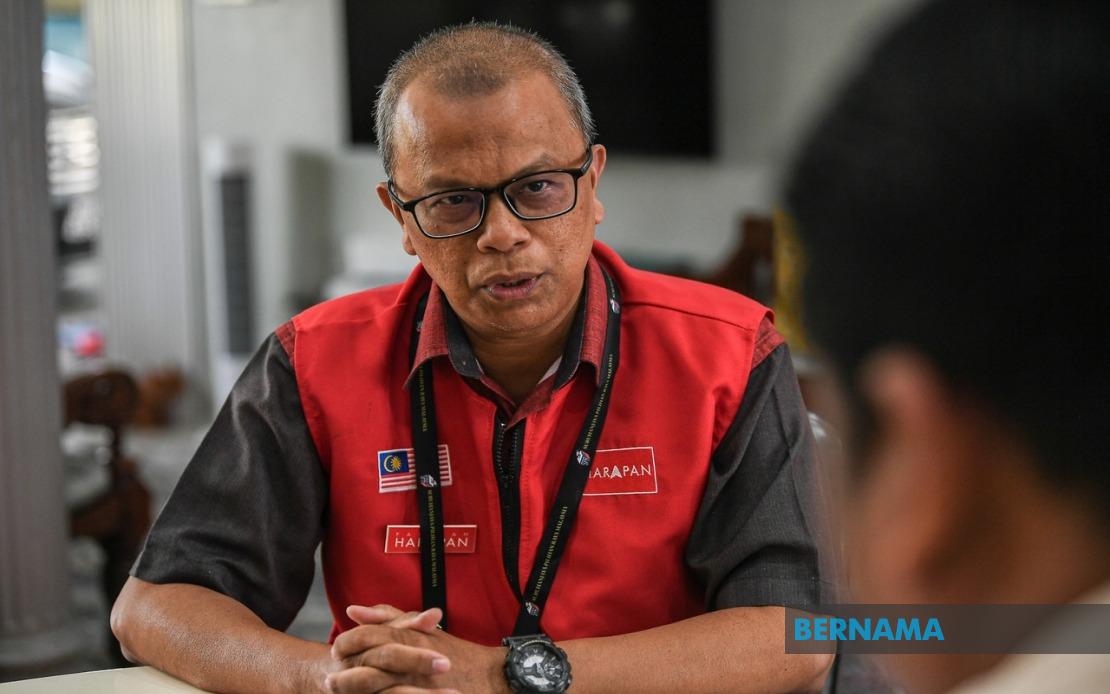
Ahmad Daniel Sharudin, the Pakatan Harapan candidate for the Panti state seat in Johor, has positioned eco-tourism development as the centrepiece of his campaign strategy, targeting what he describes as the constituency's underutilised natural assets. The 54-year-old civil engineer and former Kota Tinggi District Council member is banking on voter support to transform the area into a leading destination for sustainable tourism, capitalising on geographic features that have remained largely overlooked despite their commercial potential.
The distinction Ahmad Daniel draws between Kota Tinggi's established waterfall attractions and Panti's untapped rapids reflects a broader strategic calculation about how to unlock economic value from the constituency's geography. The rapids at Kampung Temenin represent the cornerstone of his economic vision—a natural asset requiring careful upgrading and rebranding rather than wholesale transformation. His emphasis on preserving the original ecosystem whilst enhancing infrastructure indicates an awareness of the tension between development and conservation that increasingly concerns Malaysian voters, particularly younger demographics conscious of environmental sustainability.
Ahmad Daniel's economic argument extends beyond tourism itself to encompass secondary industries that would naturally flourish alongside visitor infrastructure. The creation of homestay operations, restaurant businesses, and tour guide services would generate employment pathways for local youths currently struggling to find meaningful work within the constituency. This analysis speaks to a genuine demographic challenge in rural Johor—the outmigration of young people seeking better opportunities, with some workers commuting across the border to Singapore. By framing tourism development as a solution to youth employment, Ahmad Daniel connects a cultural preservation agenda to economic necessity in language likely to resonate with both parents concerned about their children's futures and young voters weighing their options.
Beyond tourism, Ahmad Daniel's manifesto addresses three additional priorities: affordable housing provision, industrial sector employment creation, and public infrastructure renewal. These planks represent the conventional touchstones of Malaysian state-level politics, targeting the bread-and-butter concerns that consistently drive electoral decisions across the country. The inclusion of industrial employment diversifies his economic message beyond tourism, suggesting recognition that a single-sector strategy may lack credibility with voters who recall previous unfulfilled development promises.
Ahmad Daniel has positioned his alignment with the current federal government administration as a tangible advantage for implementation. This argument carries particular weight in Malaysian politics, where state-level candidates routinely cite federal connections as indicators of their capacity to deliver projects and secure funding allocations. For voters evaluating competing promises, the implicit suggestion is that a PH state representative would operate within a supportive federal environment—a calculation that may shift depending on the outcome of the election itself.
His background as state Amanah's Syariah and Dakwah Bureau director establishes religious and community credentials within the party framework, potentially affecting his appeal across different demographic segments. The positioning of these roles alongside his civil engineering background suggests an effort to present himself as both development-focused and values-oriented—a balancing act increasingly important in Johor politics.
The campaign logistics present genuine challenges that Ahmad Daniel acknowledges with candour. The Panti state seat's large geographic footprint means that conventional face-to-face campaigning, whilst reaching approximately 80 percent of households, leaves significant portions of the electorate potentially underexposed to his message in the final campaign period. This constraint has become increasingly common in Malaysian politics as state constituencies expand territorially, making door-to-door coverage increasingly difficult for candidates with limited resources.
Recognising these limitations, Ahmad Daniel's campaign has pivoted toward digital strategy as the mechanism to reach remaining voters and reinforce messaging across all age groups. This approach reflects broader trends in Malaysian electoral campaigning, where social media platforms increasingly function as primary communication channels, particularly for younger voters. However, the efficacy of digital-only outreach in rural constituencies—where digital literacy and platform usage may vary significantly—remains variable and contested.
Ahmad Daniel faces a three-cornered contest against Barisan Nasional's Dr Muhammad Naqib Md Ghazali and Perikatan Nasional's Alias Rasman. This configuration represents the contemporary fractionalisation of Malaysian politics, where contests at the state level rarely produce two-way races. The presence of three candidates complicates vote-splitting dynamics, potentially benefiting whichever party's supporters demonstrate strongest turnout discipline.
The broader context of the 16th Johor state election involves 56 seats, 172 candidates, and a voting population of 2.7 million eligible voters deciding the election outcome on July 11. Johor remains politically significant as Malaysia's second-most populous state and a traditional battleground where federal-level political fortunes often find expression. The distribution of state-level victories between Pakatan Harapan, Barisan Nasional, and Perikatan Nasional will influence broader perceptions of political momentum heading into potential future federal elections.
For Panti specifically, Ahmad Daniel's emphasis on leveraging natural resources for sustainable economic development reflects a pattern increasingly visible across rural Malaysian constituencies: the search for economic models that do not depend on large-scale industrial investment or manufacturing bases. Whether voters accept the eco-tourism vision as credible and achievable, or regard it as aspirational rhetoric disconnected from implementation realities, will likely depend on previous experiences with unfulfilled campaign promises and baseline confidence in government delivery capacity. The election outcome will indicate whether this strategic framing proves persuasive to local voters prioritising economic opportunity and infrastructure quality.

