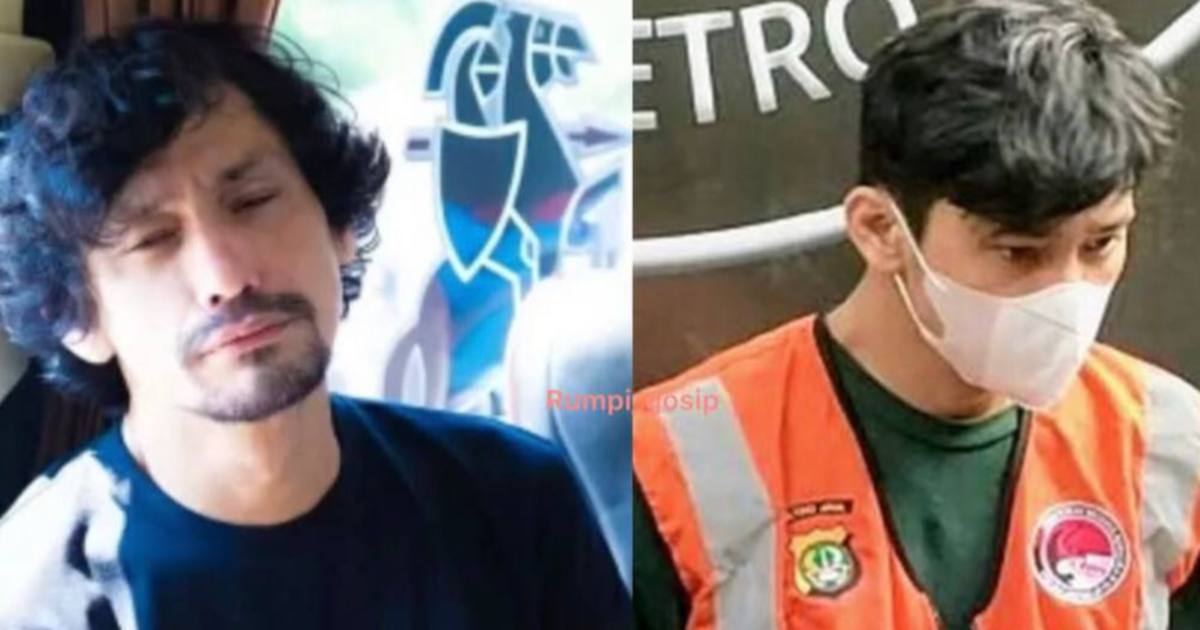
Indonesian actor Revaldo Fifaldi has found himself back in police custody after authorities conducted a raid at an apartment in South Jakarta, marking his fourth arrest on drug-related charges. The detention, which took place following the search operation, underscores an alarming pattern of behaviour that continues to draw the attention of law enforcement agencies across the capital.
The latest apprehension adds another chapter to what has become an increasingly troubling saga for the actor's career and personal life. Each arrest represents not merely a legal transgression but a cycle of substance abuse that appears resistant to intervention despite previous brush with the criminal justice system. The fact that Revaldo has cycled through multiple arrests suggests that existing rehabilitation or deterrence mechanisms may be failing to create lasting behavioural change.
Drug-related arrests among entertainment personalities in Indonesia have become disturbingly commonplace in recent years, reflecting broader substance abuse challenges that extend well beyond the celebrity sphere. However, the visibility of such cases when they involve actors, musicians, or other public figures serves to amplify public awareness and sparks wider conversations about addiction in society. The entertainment industry's particular vulnerability to drug use stems from various factors including irregular work schedules, exposure to wealthy social networks, and the psychological pressures associated with fame and public scrutiny.
For Malaysia and other Southeast Asian nations, the Indonesian entertainment ecosystem remains culturally significant given the region's shared entertainment markets, production collaborations, and audience overlap. Indonesian film and television productions frequently involve Malaysian production companies, talent, and distribution networks. High-profile legal troubles involving respected actors therefore reverberate across regional entertainment circles and can influence partnerships, investments, and talent mobility within the industry.
Revaldo's case illustrates the distinction between occasional recreational use and habitual dependency requiring sustained professional intervention. His repeated arrests suggest that previous court appearances, whatever penalties or conditions were imposed, have not successfully interrupted the pattern of substance acquisition and consumption. This raises questions about the adequacy of Indonesia's approach to drug-related offences involving first-time and repeat offenders, and whether current sentencing frameworks adequately balance punishment with rehabilitation objectives.
Indonesia's drug enforcement apparatus, spearheaded by the National Narcotics Agency and supported by police units, has maintained aggressive interdiction strategies. These operations target both distribution networks and end users, with particular emphasis on high-visibility cases involving public figures. While such enforcement activity demonstrates commitment to combating narcotics, critics argue that resources devoted to arresting individual users might be more effectively directed toward dismantling trafficking organisations and addressing upstream supply vulnerabilities.
The choice of apartment in South Jakarta as the raid location suggests authorities may have been acting on intelligence regarding concentrated drug activity in specific residential areas. South Jakarta contains numerous upscale residential districts frequented by entertainment professionals and affluent individuals, making such locations natural focal points for enforcement operations targeting higher-income users with greater purchasing power.
For Revaldo personally, the consequences of repeated arrests extend far beyond immediate legal proceedings. Employment prospects within the Indonesian entertainment industry become increasingly constrained following drug convictions. Producers and production companies face reputational and practical risks when casting actors with active legal troubles. Insurance companies may refuse coverage, advertisers distance themselves from associated talent, and streaming platforms impose their own content partnership criteria. The career trajectory for entertainers caught in substance abuse cycles thus tends toward irreversible decline even when legal penalties prove relatively lenient.
The psychological dimensions underlying Revaldo's apparent inability to desist from drug use despite multiple arrests warrant consideration. Substance use disorders involve neurobiological changes that punishment alone rarely addresses effectively. Without access to comprehensive addiction treatment programmes incorporating medical supervision, counselling, and long-term recovery support, individuals arrested repeatedly for possession often cycle through the criminal justice system without achieving meaningful rehabilitation. Indonesia's prison system, like those throughout Southeast Asia, has historically struggled with capacity constraints and limited therapeutic programming for drug offenders.
For Malaysian observers and industry participants, the implications are multifaceted. The case reinforces recognition that entertainment industry personnel across the region face similar vulnerabilities to substance abuse regardless of national borders. It also demonstrates the role of public enforcement institutions in attempting to address such problems through criminal justice mechanisms, raising comparative questions about how Malaysia's own drug enforcement and rehabilitation systems perform against benchmarks in neighbouring countries.
Moving forward, Revaldo's situation will likely depend significantly on judicial decisions regarding appropriate sentencing given his repeat offender status. Indonesian courts have discretion in applying penalties under relevant narcotics legislation, and prior convictions typically influence sentencing outcomes. Whether authorities prioritise incarceration, mandatory treatment, or combination approaches will substantially shape the actor's prospects for rehabilitation versus continued legal entanglement.
The entertainment industry across Southeast Asia increasingly recognises that substance abuse problems affecting prominent individuals demand responses integrating criminal justice accountability with genuine treatment opportunities. Revaldo's case, regrettable as it may be for all parties involved, underscores the region's ongoing struggle to balance enforcement imperatives with compassionate intervention addressing the root causes of addiction.

