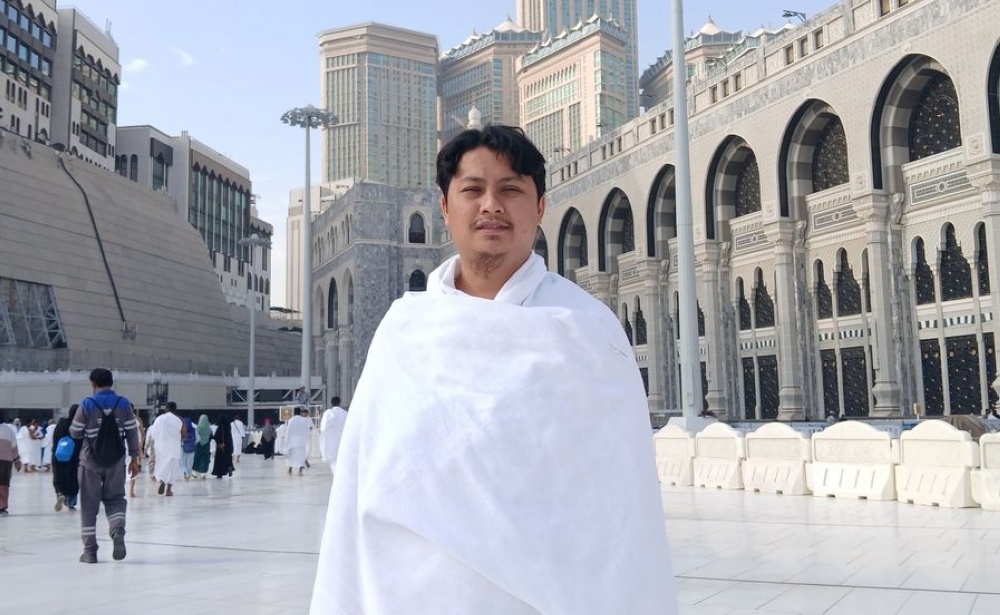
Police in Alor Setar re-arrested activist Tamim Dahri Abdul Razak following the conclusion of his two-day remand on July 20, signalling that investigations into his case remain ongoing and that prosecutors are preparing to escalate proceedings against him through the judicial system.
The re-arrest marks a critical juncture in what has become an increasingly complex legal matter. Upon completion of the initial remand period, which allowed officers to question the activist and gather evidence, authorities proceeded directly to place him back in custody rather than releasing him unconditionally, indicating that the investigating team had identified sufficient grounds to pursue further action.
Tamim Dahri, who has established himself as a vocal figure within Malaysia's civil society landscape, has attracted attention for his activism related to governance and accountability issues. His arrest and subsequent legal entanglement reflect the broader tensions that periodically surface between state authorities and independent activists who engage in advocacy and public commentary on contentious social and political matters.
The timing of the re-arrest, coming immediately after the remand period expired, demonstrates police determination to maintain momentum in their investigation. Malaysian legal procedure permits remand extensions and re-arrests when investigators determine that additional time is necessary to complete their inquiries or when fresh matters requiring investigation emerge during the initial custodial period.
Court proceedings were expected to commence the following day, with charges to be formally presented before a magistrate. The exact nature of the charges has not been disclosed at the point of re-arrest, though such cases involving activists typically relate to allegations concerning public statements, assembly-related offences, or statements deemed problematic under Malaysia's various security and public order statutes.
For observers monitoring civil liberties and press freedom in Southeast Asia, the situation underscores persistent questions about the scope of permissible public expression in Malaysia and the circumstances under which authorities exercise their powers of arrest and detention. The handling of such cases carries implications for the broader ecosystem of activism and independent commentary within the country.
The development also highlights the operational relationship between investigating officers and prosecutorial authorities in Malaysia's criminal justice system. The expedited transition from remand to re-arrest to court presentation indicates that various agencies—police, Attorney General's chambers, and the judiciary—have coordinated to move the matter through successive procedural stages.
Activists and civil society groups across Malaysia typically monitor such cases closely, as they provide practical examples of how legal frameworks are applied to individuals engaged in advocacy work. The specific charges that emerge in court will carry significance for understanding the evidentiary basis of the prosecution and the legal theories underlying the government's case.
Regionally, Malaysian cases involving activist arrests receive attention from international human rights organisations and neighbouring countries' media outlets, contributing to broader perceptions of the country's human rights record and judicial independence. The transparency with which authorities handle such matters influences Malaysia's standing in global assessments of governance and the rule of law.
The formal charging phase will represent the first opportunity for legal representatives to access the full details of allegations against Tamim Dahri and to begin building a defence strategy. The charges presented will shape the trajectory of the case through preliminary inquiry proceedings and potentially toward trial, determining which courts hold jurisdiction and which sentencing frameworks become relevant should conviction occur.
For Malaysia's legal community, such cases offer occasions to examine how existing statutes are being applied in practice and whether prosecutions satisfy established standards of proof and procedural fairness. The defence mounted in this instance may test interpretations of relevant laws and contribute to jurisprudential development in areas affecting activists and public expression.
The broader context includes ongoing debates within Malaysian political circles about balancing public order considerations against individual rights to expression and assembly. How authorities and courts navigate such tensions in cases like Tamim Dahri's demonstrates, in practical terms, where Malaysia's system currently draws these lines and whether those positions align with democratic norms and international human rights standards.
As the case progressed through the judicial system, attention would likely continue from both domestic civil society groups and international observers concerned with freedom of expression and the protection of activists from harassment through the criminal justice process.

