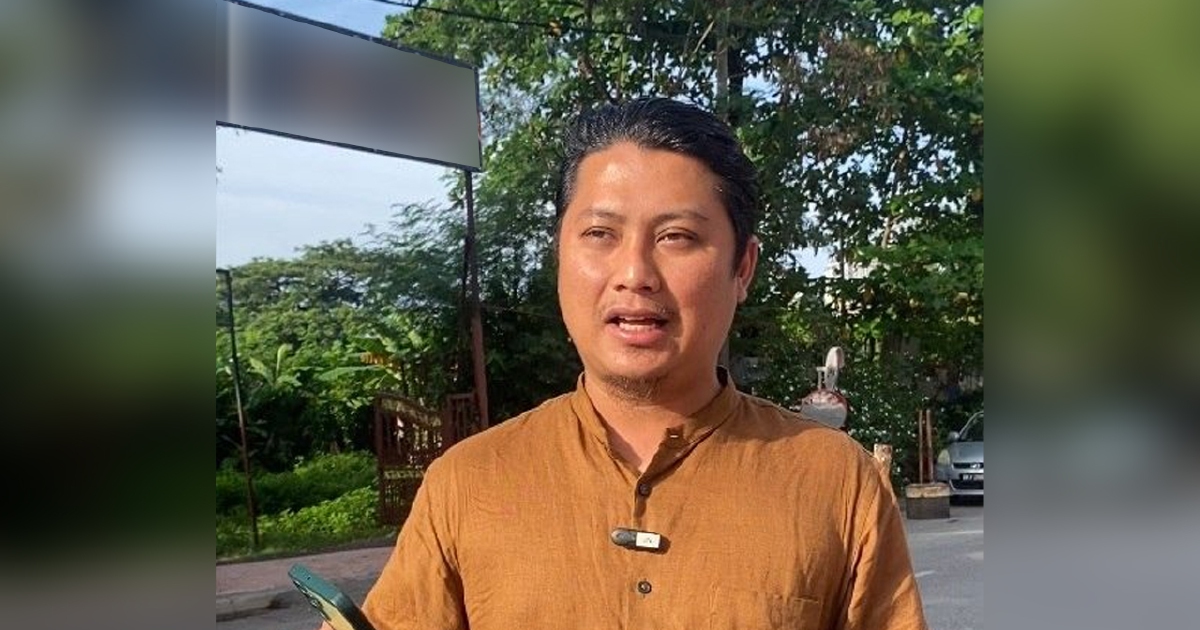
Activist Tamim Dahri Abdul Razak is scheduled to appear before the Langkawi magistrate's court to face formal charges connected to allegations of insulting another religion. The case marks a significant development in a series of legal proceedings involving the outspoken activist, who had previously vanished from public view amid investigations into a separate Facebook-related threat incident.
The timing of Dahri's court appearance represents a potential turning point in a complex legal saga that has drawn considerable public and media attention over recent months. His emergence to face charges, after being believed to have departed Malaysia during the earlier investigation, suggests either a voluntary return or intervention by authorities to bring him before the courts. Legal observers have noted that multiple cases running in parallel can complicate an individual's legal standing and options, particularly when charges span different jurisdictions and offences.
The religious insult allegation falls under a distinct category of offence from the Facebook threat investigation that precipitated his earlier absence. Malaysia's legal framework treats such matters with considerable seriousness, reflecting the sensitive nature of religious and inter-faith relations within the country's diverse, multi-religious society. Legal professionals have indicated that charges involving alleged insults directed at religions can carry substantial penalties under relevant statutes, depending on the specific circumstances and evidence presented.
Dahri's case must be understood within the broader context of Malaysia's approach to religious sensitivity and public discourse. The country maintains laws designed to protect the sanctity of various religions practised by its diverse population, and enforcement of these provisions has remained consistent across different administrations. However, the application of such laws has occasionally sparked debate regarding the balance between protecting religious sentiments and safeguarding freedom of expression, a tension that civil society organisations frequently highlight.
For activists and public figures in Malaysia, the legal risks associated with controversial statements or social media posts have become increasingly apparent through high-profile cases. Dahri's situation exemplifies how swift legal consequences can follow public utterances deemed religiously insensitive, a reality that has prompted many observers to reflect on the evolving boundaries of acceptable public discourse in the nation. The case also underscores the practical difficulties activists face when navigating Malaysia's complex regulatory environment while seeking to engage in advocacy work.
The Langkawi magistrate's court proceedings will likely attract considerable scrutiny from civil rights advocates, media observers, and the broader activist community. Such trials often become focal points for discussions about legal protections afforded to freedom of expression and the mechanisms through which religious sensitivities are balanced against other fundamental rights. The case may also influence how future activists approach sensitive topics in public statements and online platforms.
From a regional perspective, Malaysia's handling of this matter reflects broader Southeast Asian patterns in how countries manage religious expression and inter-faith relations. Several neighbouring nations maintain comparable legal provisions, though enforcement approaches and judicial interpretation vary considerably. Legal scholars across the region continue to debate optimal frameworks that simultaneously protect religious dignity and permit vigorous public debate on matters of public interest.
The implications for digital citizenship and social media conduct in Malaysia cannot be understated. As more individuals face legal consequences stemming from online statements, a chilling effect on free expression may emerge, though this remains contested among legal and rights-focused commentators. The case serves as a cautionary reference point for others considering public criticism of religious institutions or practices, illustrating the concrete legal jeopardy that can materialise from digital communications.
Authorities will present evidence regarding the alleged insult during proceedings, and the magistrate will determine whether sufficient grounds exist to proceed with formal charges or referral to higher courts. The quality and nature of evidence presented, along with how courts interpret relevant statutes, will substantially shape the trajectory of Dahri's case and potentially influence legal jurisprudence on similar matters. Court observers suggest that detailed examination of the allegations' context and his precise statements will likely feature prominently in proceedings.
The convergence of multiple legal cases against a single individual raises questions about systemic approaches to activist accountability within Malaysia's justice framework. Whether such concurrent proceedings reflect comprehensive legal accountability or represent broader patterns of legal pressure against particular individuals remains a matter of ongoing contention among civil society analysts and legal professionals. The Langkawi magistrate's court session will provide further insight into how these intersecting cases are managed within the judicial system.
Looking forward, the resolution of Dahri's charges may establish important precedents for how similar cases are handled, particularly regarding the intersection of activism, social media expression, and religious sensitivity allegations. The case will likely prompt continued reflection among Malaysian civil society about the evolving relationship between legal frameworks and political expression, while also serving as a practical reference for individuals considering public commentary on sensitive social issues.

