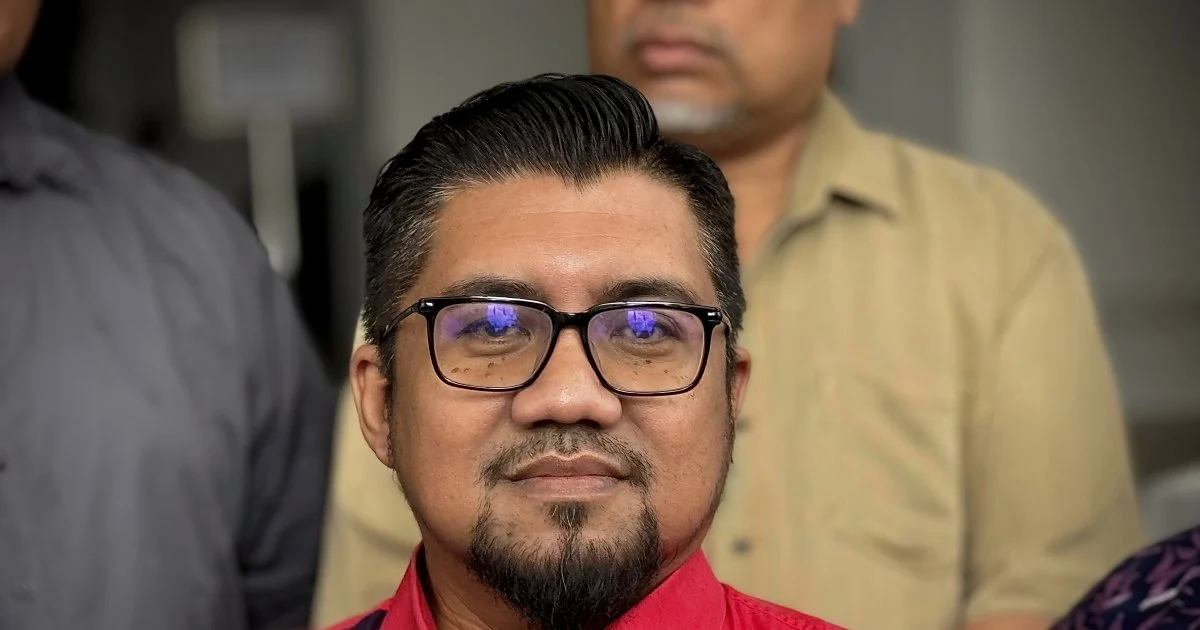
The High Court in Kuala Lumpur delivered a significant reversal on Tuesday, overturning an earlier acquittal and ordering political activist Badrul Hisham Shaharin to present his defence against defamation charges centred on remarks concerning His Majesty Sultan Ibrahim, the King of Malaysia. The legal development marks an unexpected turn in a case that touches on sensitive matters of royal protocol and political speech, with implications for how Malaysian courts weigh statements made about the monarchy.
Badrul Hisham, widely known by his moniker Che'gu Bard, faces accusations of defaming the King through statements he made approximately two years ago. These remarks allegedly pertained to a purported audience involving the King and various political leaders, though the specific details of the contested statements remain central to the court's scrutiny. The case has drawn considerable attention given the prominence of both the defendant and the delicate constitutional position of the Malaysian monarchy within the nation's legal and political framework.
The High Court's decision to overturn the initial acquittal means the burden now shifts to the defence to present evidence and arguments addressing the defamation allegations. This represents a procedural advancement that reflects the prosecution's successful challenge to the lower court's determination, suggesting the judicial review found sufficient grounds to proceed beyond the dismissal stage. The reversal underscores the court's assessment that the case warrants full examination rather than summary dismissal.
Defamation cases involving members of the royal family occupy a particular place in Malaysian jurisprudence. The nation's legal system affords significant protection to the monarchy, with specific statutes and common law principles combining to establish a high threshold for public figures seeking to make statements about royal matters. Courts must balance competing interests between protecting the dignity of the institution and preserving space for legitimate political discourse and criticism, a tension that becomes apparent in cases of this nature.
The circumstances leading to the original acquittal remain relevant to understanding the High Court's reversal. Lower courts may have found insufficient evidence of defamatory intent or impact, or determined that the statements fell within acceptable bounds of political commentary. However, the appellate determination suggests that material facts or legal principles warrant reconsideration, requiring the defence to engage substantively with the allegations rather than relying on an earlier dismissal.
Badrul Hisham's background as a political activist adds another dimension to the proceedings. His involvement in civil society advocacy and political discourse means that courts must consider whether his statements reflect protected speech or cross into territory that genuinely damages the reputation of the King. The case becomes a test of how Malaysian courts interpret the boundaries between political activism, free expression, and respect for royal institutions during an era when social media and digital platforms enable rapid dissemination of political views.
The alleged audience between the King and political leaders, referenced in the statements under scrutiny, appears to involve matters of state significance. Depending on whether such a meeting occurred and what transpired, the factual basis for Badrul Hisham's remarks becomes crucial. The defence will likely need to establish the truthfulness of the statements or demonstrate that they constitute fair comment on matters of public interest—traditional defences that remain available in Malaysian defamation law.
This case resonates beyond the immediate parties involved, carrying implications for political speech more broadly in Malaysia. Activists and commentators monitoring the proceedings will assess what boundaries the court establishes regarding statements about royal engagements and political matters. The outcome may influence how political figures and civil society representatives approach discussion of sensitive topics touching on the monarchy, particularly in contexts where public interest and institutional protection intersect.
The procedural advancement also reflects the appellate court's confidence in the materiality of the case. By declining to affirm the acquittal, the High Court signals that questions of fact and law require resolution through a full hearing rather than summary disposition. This approach ensures that both the prosecution and defence present comprehensive arguments addressing the defamatory nature and impact of the disputed statements.
For the Malaysian legal community and observers of constitutional developments, the case exemplifies ongoing judicial refinement of how courts navigate conflicts between protecting the monarchy's standing and preserving space for political expression. The defence's preparation will likely focus on factual accuracy, context, and whether the statements constitute permissible commentary on matters of legitimate public concern, particularly if they relate to governmental or political processes.
The ordering of defence represents a critical juncture in proceedings that will ultimately determine whether the statements in question breach defamation law or fall within protected bounds. The decision compels Badrul Hisham and his legal team to mount a substantive response, transforming the dispute from a preliminary question of sufficiency into a full adversarial examination. How the defence unfolds will provide clarity on the courts' interpretation of permissible political speech regarding the royal institution during a period when such boundaries require careful judicial calibration.

