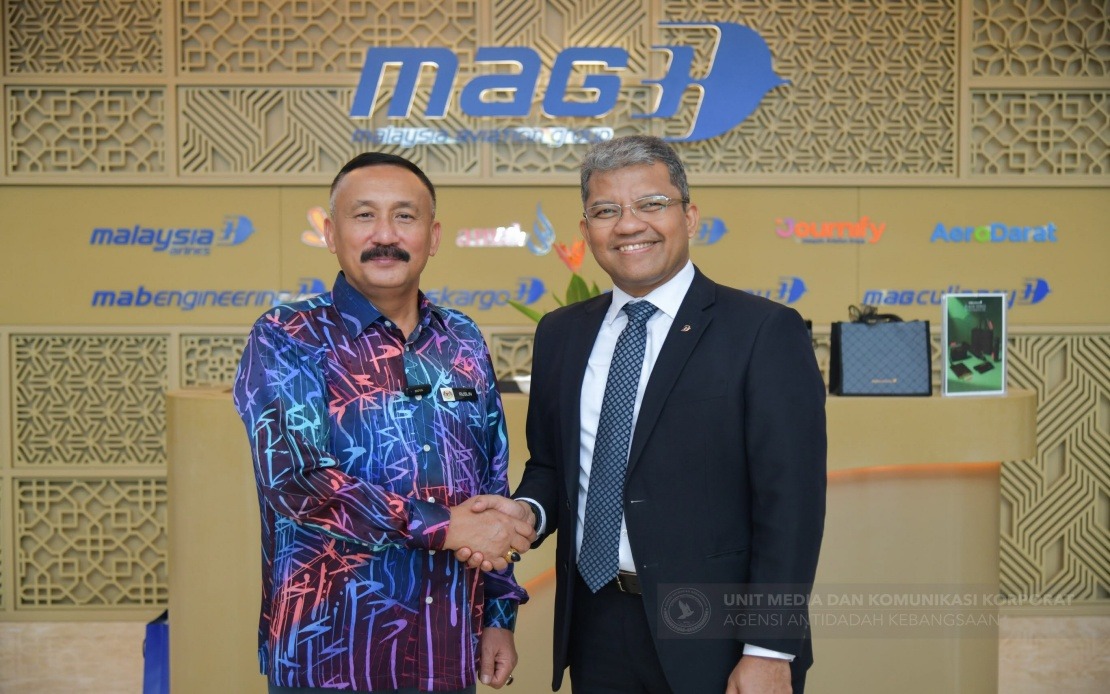
The National Anti-Drugs Agency (AADK) and Malaysia Aviation Group (MAG) have announced a new strategic partnership designed to tackle drug abuse within the aviation sector, marking an expansion of Malaysia's multi-institutional approach to narcotics control. The collaboration was formalised through a memorandum of understanding following discussions between AADK director-general Datuk Ruslin Jusoh and MAG chief executive officer Captain Nasaruddin A Bakar at MAG's Sepang headquarters. The initiative reflects growing recognition that combating substance abuse requires coordination across industry players, particularly within sectors where safety standards are paramount.
Datuk Ruslin emphasised that the partnership aims to strengthen drug prevention, eradication, and public awareness programmes targeting both aviation employees and the broader Malaysian workforce. The AADK chief highlighted that this collaboration transcends conventional government-led interventions, positioning private enterprises as active partners in the national fight against narcotics. By bringing Malaysia Airlines and other MAG subsidiaries into organised drug prevention frameworks, authorities seek to create ripple effects across the aviation industry, encouraging other carriers and transport operators to adopt similar measures.
A cornerstone of the agreement is the implementation of the Drug-Free Workplace (TEKAD) initiative at MAG facilities nationwide. This programme represents a proactive safety mechanism designed to maintain operational integrity within the aviation sector, where employee fitness and mental clarity directly impact passenger safety and flight operations. The TEKAD framework encompasses mandatory drug screening, employee education, counselling services, and rehabilitation support for affected workers. Given aviation's zero-tolerance safety culture, the emphasis on workplace drug prevention aligns with international aviation safety standards and regulatory requirements overseen by bodies such as Malaysia's Civil Aviation Authority.
For Malaysia's aviation sector, the ramifications extend beyond individual employment matters. The airline industry faces mounting pressure to maintain competitive service standards while adhering to rigorous safety protocols. Drug-related incidents among pilots, cabin crew, and ground staff could compromise aircraft maintenance, navigation decisions, and emergency response capabilities. By institutionalising drug prevention through the TEKAD initiative, MAG demonstrates commitment to safeguarding its workforce and, critically, protecting the travelling public. This proactive stance may enhance Malaysia Airlines' reputation internationally, particularly among foreign aviation authorities and passengers who prioritise safety records.
The collaboration also reflects broader trends within Southeast Asian governance, where public-private partnerships increasingly address social challenges traditionally managed solely by government agencies. Malaysia's experience with this AADK-MAG arrangement could serve as a template for other regional nations seeking to integrate corporate responsibility with public health objectives. Airlines across ASEAN, many of which operate within similar regulatory environments, may observe Malaysia's model and consider analogous initiatives within their own operations.
Datuk Ruslin indicated that the partnership's scope extends beyond Malaysia Airlines itself, encompassing the broader MAG ecosystem and potentially influencing industry-wide standards. This systemic approach acknowledges that aviation workers—including ground staff, baggage handlers, and maintenance technicians—face occupational pressures and stress that sometimes contribute to substance abuse vulnerabilities. By offering comprehensive prevention and support mechanisms, the collaboration addresses root causes rather than merely policing employee behaviour, creating a healthier organisational culture.
The timing of this announcement suggests AADK's strategic priority to embed drug prevention across critical infrastructure sectors. Aviation joins transportation, telecommunications, and energy sectors where drug abuse poses potential risks to national security and public safety. The AADK's expansion into corporate partnerships indicates an evolution from enforcement-centric strategies toward preventive health and workplace safety frameworks. This shift aligns with international best practices adopted by drug prevention agencies in developed nations, where emphasis increasingly falls on harm reduction and occupational wellness rather than punitive measures alone.
For Malaysian workers in the aviation industry, the initiative offers access to counselling, rehabilitation services, and educational programmes framed within a supportive rather than purely disciplinary context. Employees struggling with substance abuse can seek assistance without necessarily facing immediate termination, encouraging early intervention and recovery. This approach potentially reduces workforce disruption while addressing public health concerns, balancing employee welfare with operational reliability.
The collaboration also signals to Malaysia's international partners and trading partners that the nation maintains rigorous standards across sensitive sectors. Foreign airlines operating in Malaysia, international aviation bodies, and foreign authorities monitoring Malaysian airspace operations may view this drug prevention initiative as evidence of institutional commitment to safety excellence. Such perception reinforces Malaysia's standing within global aviation networks and may facilitate continued market access and cooperative arrangements with international carriers.
Moving forward, the success of the AADK-MAG partnership will likely be measured through workforce participation rates in drug screening and education programmes, reduction in substance-related incidents, employee satisfaction with support services, and flight safety metrics. Datuk Ruslin and Captain Nasaruddin A Bakar's commitment to this collaboration suggests both institutions anticipate positive outcomes that justify continued investment and potential expansion. Should the initiative achieve measurable success, it could catalyse similar partnerships across Malaysia's critical infrastructure sectors, gradually transforming the nation's approach to occupational drug prevention and workplace safety governance.

