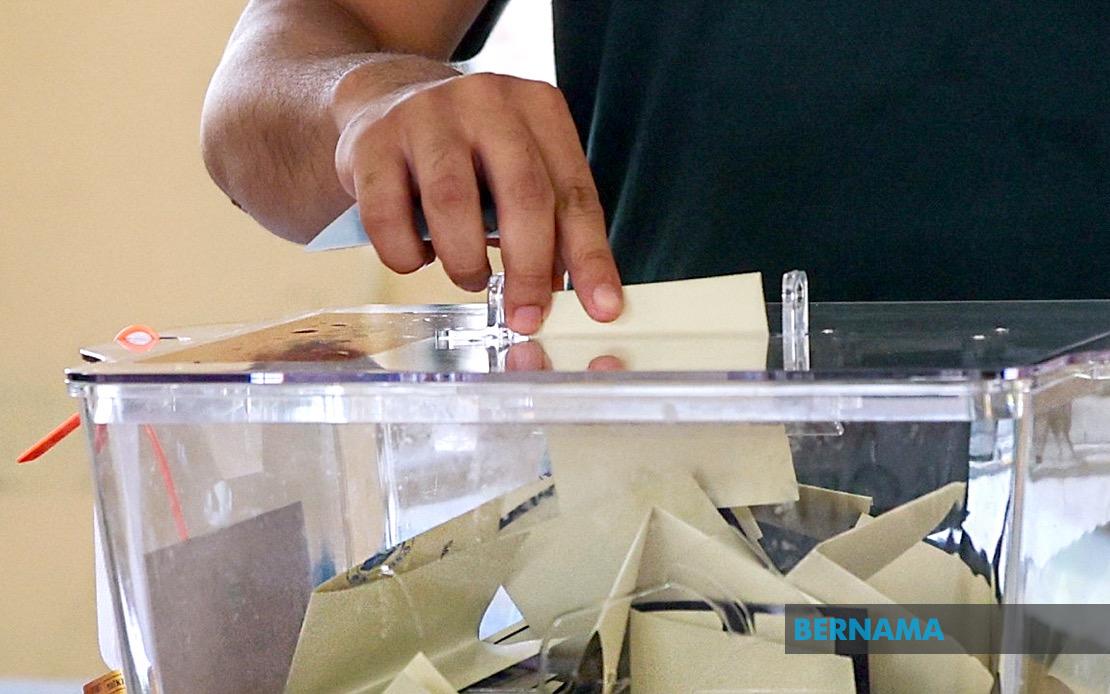
A determined voter's attempt to exercise his democratic right in the 16th Johor state election ultimately fell victim to traffic congestion and timing, as Rahmat Shukor arrived at his assigned polling centre precisely one minute after the 6pm deadline. The 57-year-old self-employed businessman had undertaken a gruelling 120-kilometre drive from his late mother's home in Sri Medan, Batu Pahat, to reach SJK (C) Foon Yew 4 in Johor Bahru, only to be turned away at the gate as the doors were being locked.
Rahmat's journey began from Sri Medan early enough to ensure he could cast his ballot, yet the road network had other plans. Beginning somewhere around the Simpang Renggam Rest and Recreation Area and extending towards Sedenak, an unusually intense traffic bottleneck consumed precious minutes of his travel time. Despite his awareness of the congestion and his attempts to circumvent it by trying several alternative routes, particularly along what he identified as the main Skudai road corridor, the delays proved insurmountable. When he finally pulled into the voting venue, the formality of closure had already passed.
The circumstances surrounding Rahmat's failed attempt reveal the practical complications that can emerge during state elections, particularly in a geographically sprawling state like Johor. His situation differed markedly from voters who lived within reasonable proximity to their designated polling stations. Rather than residing in Johor Bahru itself, he had initially planned to return there the previous day from his work in Batu Pahat. However, exhaustion from plantation and contract work persuaded him to rest overnight at his mother's residence, a decision that ultimately left him as the sole member of his household unable to participate in the electoral process.
Rahmat documented his predicament, retaining photographic evidence of the traffic conditions that had delayed him. When he spoke to officials outside the polling centre, he presented both his documentation and his explanation, seeking perhaps to make his case known even if it could not alter the outcome. His frustration was evident, though he articulated it with a measured tone. He expressed sadness at missing the opportunity, yet despite the disappointment, he chose to accept the situation philosophically rather than lodge a formal grievance.
The contrast within his own family underscored his misfortune. His wife and other family members had already returned to Johor Bahru the preceding Friday and successfully cast their votes, leaving Rahmat as an outlier. For most Malaysian voters, the polling day involves a routine trip to a nearby school or community centre. For those working in different states or regions, however, the logistics become considerably more complex, balancing work commitments, travel time, traffic variability, and the fixed closure time that applies uniformly across all voting venues regardless of their location.
Johor's 16th state election saw all 1,076 polling centres across the state close simultaneously at 6pm, adhering to standard electoral protocol. This uniformity serves important administrative and security purposes, ensuring that voting concludes at a definitive moment rather than allowing staggered closing times that could theoretically create opportunities for irregularities. However, it also means that voters in remote areas or those traveling from considerable distances face tighter margins for error, particularly when unexpected traffic disruptions occur.
The traffic congestion that thwarted Rahmat's plans raises broader questions about infrastructure readiness during major voting exercises. While Johor's road network generally handles substantial traffic volumes, the combination of election day activity and ordinary weekend travel can create unexpected pressure points. The Simpang Renggam area, which Rahmat identified as a critical bottleneck, sits along a key route connecting Batu Pahat to Johor Bahru. Enhanced traffic management or expanded public information about anticipated congestion during election periods might help voters like Rahmat better plan their timing.
For Malaysian voters living away from their registered constituencies, this incident illustrates an ongoing tension in the electoral system. While postal voting exists as an option for certain categories of voters, many self-employed individuals and workers outside their home regions may not qualify for these arrangements. The alternative of returning to vote in person thus becomes necessary, but it carries inherent risks when circumstances beyond one's control—such as traffic—intervene. Rahmat's measured acceptance of his fate contrasts with the frustration such situations might provoke, yet his story inevitably raises considerations about voter accessibility and the practical barriers that can prevent willing participants from engaging with the democratic process.
Despite his disappointment, Rahmat expressed hope that the broader election would proceed smoothly and that the democratic exercise would be conducted without incident. His comment reflected a perspective that transcended his personal misfortune, focusing instead on the collective democratic good. This sentiment acknowledges that while individual voters occasionally miss opportunities due to circumstance, the integrity and fairness of the overall election process remains paramount. The 1,076 polling centres that operated throughout Johor on election day ultimately facilitated the participation of thousands of voters, even if Rahmat was not among them on this occasion.
The incident serves as a reminder that democratic participation, while a fundamental right, sometimes requires navigating practical challenges that extend beyond the political sphere. Traffic management, voter registration accessibility, and alternative voting mechanisms all influence whether citizens can effectively exercise their franchise. While a single minute separated Rahmat from his opportunity to vote, his journey from Batu Pahat and his documented efforts to overcome the obstacles in his path demonstrate the commitment many voters bring to the electoral process, regardless of whether circumstances ultimately permit them to cast their ballot.

