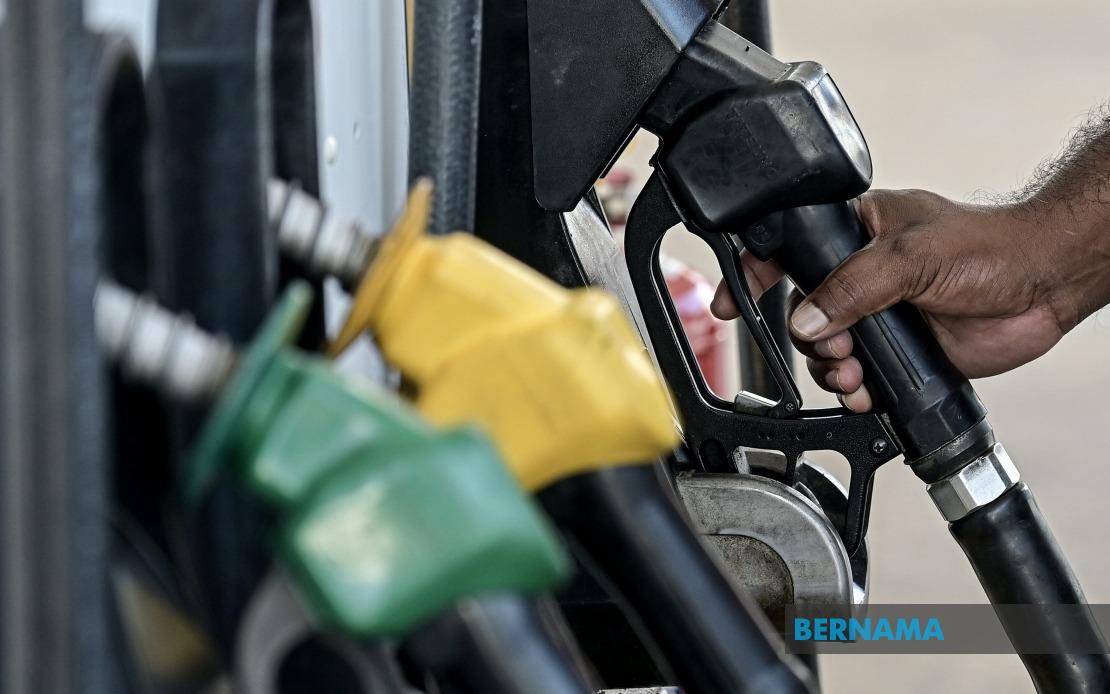
Malaysia's Ministry of Finance has rolled out an expanded diesel subsidy programme beginning July 1, targeting approximately 700,000 private vehicle owners across the country with subsidised fuel priced at RM2.10 per litre. The BUDI MADANI Diesel initiative marks a substantial widening of fuel assistance from the previous BUDI Diesel Individu scheme, which provided monthly cash support to only 180,000 recipients in Peninsular Malaysia. The new scheme distributes benefits across 400,000 eligible private diesel vehicle owners throughout Peninsular Malaysia, while 300,000 owners in Sabah, Sarawak, and the Federal Territory of Labuan round out the programme's geographic reach.
The initiative addresses mounting cost-of-living pressures facing Malaysian households, particularly those dependent on diesel-powered vehicles for daily transportation and income generation. By maintaining fuel prices below market rates, the government seeks to shield citizens from volatile global energy costs whilst simultaneously protecting sectors integral to the nation's economic functioning. Transport operators, logistical companies, and rural communities reliant on diesel vehicles stand to benefit significantly from the price stabilisation mechanism embedded within the programme.
Beyond individual vehicle owners, the scheme extends eligibility to approximately 70,000 commercial and goods transport vehicles operating in Sabah, Sarawak, and the Federal Territory of Labuan, who can access subsidised diesel at RM2.15 per litre through the SKDS system. The government has notably expanded the programme's scope to encompass company-registered private pickup trucks and jeeps, subject to specified eligibility criteria and terms. This inclusion acknowledges the economic importance of these vehicle categories within Malaysia's agricultural, construction, and trading sectors.
Early implementation data demonstrates substantial uptake and operational readiness. Following the June 27 soft launch for Peninsular Malaysia diesel vehicle owners, approximately 80,000 transactions had been processed by noon on June 30, representing consumption of roughly 3.2 million litres of subsidised diesel valued at nearly RM7 million. The integration of MyKad verification technology at petrol stations functioned without significant disruptions, enabling seamless identity authentication and quota management. This technical reliability appears critical to the scheme's long-term sustainability and public acceptance.
The Ministry of Finance has introduced a complementary policy mechanism allowing eligible pickup and jeep owners to apply for additional monthly diesel allocations of up to 100 litres via the BUDI MADANI portal. Within the initial application period, more than 22,000 submissions had been received by 9 am on June 30, indicating substantial interest from vehicle owners seeking to maximise subsidy benefits. The portal-based application system provides administrative efficiency whilst maintaining transparent eligibility verification procedures.
Recognising practical family circumstances, the government introduced a three-month waiver eliminating ownership transfer fees of up to RM100 for diesel vehicles, effective immediately upon the scheme's full launch. This provision accommodates situations where vehicles are registered under family members' names whilst being operated by other household members. To facilitate processing, the Road Transport Department has extended counter operations to include weekend hours from July 4 through July 26, maintaining 8 am to 5 pm availability across all state JPJ offices and state UTC JPJ branches throughout the country.
Perhaps most innovatively, the Ministry of Finance has established mechanisms permitting subsidised diesel eligibility transfers among immediate family members. Original beneficiaries may designate their subsidy quota to spouses, parents, children, or siblings, subject to official verification and approval. As of 9 am on June 30, nearly 1,000 transfer applications had already been submitted, suggesting that Malaysian families are actively reconfiguring vehicle usage arrangements to optimise subsidy distribution. Each transfer operates as a one-time reassignment, with approved recipients utilising their own MyKad identification to purchase subsidised diesel under the original owner's allocated quota.
The programme's design reflects sophisticated understanding of Malaysian household structures and vehicle ownership patterns. Rather than imposing rigid restrictions that might exclude legitimate family users, the eligibility transfer mechanism acknowledges the reality that vehicle ownership and operation frequently diverge within extended family networks. This flexibility potentially increases the scheme's effectiveness in delivering subsidy benefits to those whose actual fuel consumption exceeds their formal ownership status.
For regional context, Malaysia joins several Southeast Asian economies maintaining diesel price subsidies to manage transportation costs and protect domestic industries. However, the scale and sophistication of the BUDI initiative, encompassing nearly three-quarters of a million vehicles with tiered pricing structures, integrated digital verification, and family transfer mechanisms, represents an ambitious welfare programme. The scheme's success will depend on sustained government commitment to subsidy financing and effective prevention of quota abuse or diversion into commercial channels.
Longer-term implications extend beyond immediate cost-of-living relief. By maintaining accessible diesel pricing for extended periods, the government signals its willingness to absorb fuel subsidy costs to support economic activity and household stability. However, such programmes carry inherent risks of budgetary strain, market distortions, and administrative burden. The BUDI initiative's trajectory will likely influence future energy subsidy policy within Malaysia and potentially shape regional approaches to managing fuel affordability amid volatile international energy markets.
The Ministry of Finance indicated that eligible private diesel vehicle owners can verify their eligibility status and review monthly allocation quotas through designated government portals, though complete access details remained unavailable in initial official statements. Drivers should confirm their registration status and quota limits promptly to avoid transaction complications at fuel stations. As the scheme matures beyond its early implementation phase, the government may publish comprehensive eligibility criteria and usage analytics to address emerging policy questions around programme sustainability and distributional equity.

