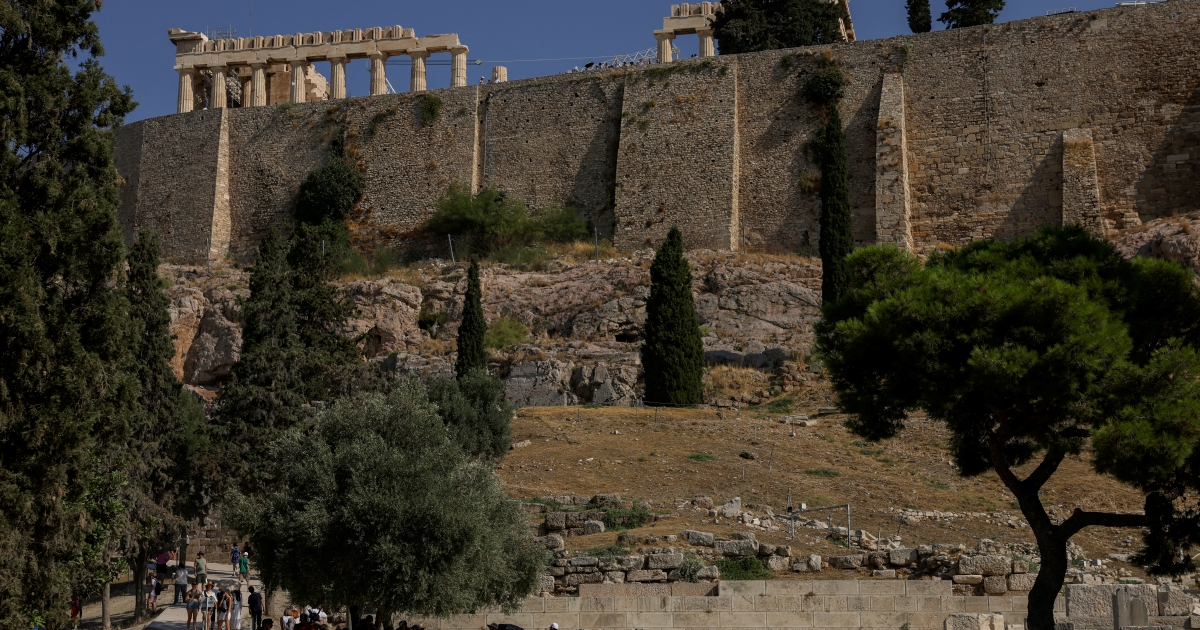
A startling incident unfolded in central Athens on Tuesday when a 60-year-old man wielded a knife against two Greek-American visitors in close proximity to the Acropolis, one of Europe's most visited archaeological destinations. The attack occurred in the immediate vicinity of the ancient monuments that define Greece's classical heritage, prompting a rapid police response that resulted in the assailant's arrest at the scene.
The Acropolis and its surrounding precinct represent far more than a tourist destination for Greece—the site encompasses thousands of years of Mediterranean history and generates substantial revenue for the country's tourism industry. Each year, millions of international visitors traverse the sacred plateau to witness the Parthenon and associated temples that have survived millennia. Such incidents cast a shadow over Athens's carefully cultivated image as a safe destination for global travellers, a concern that reverberates throughout Greece's economy at a time when international tourism forms a critical pillar of national recovery efforts.
The proximity of this attack to one of the world's most recognisable cultural landmarks amplifies its significance beyond the immediate harm caused to the two victims. The Acropolis region attracts a constant flow of visitors navigating narrow streets and archaeological zones, creating both vibrant urban energy and complex security challenges for municipal authorities. Tuesday's incident raises questions about pedestrian safety within these historically significant urban spaces where ancient heritage preservation intersects with modern public order management.
Greece has worked extensively to rebuild its tourism sector following economic pressures that constrained travel and hospitality sectors over the past decade. The nation has successfully repositioned itself as an increasingly attractive destination for North American, European, and Asian travellers seeking authentic cultural experiences combined with Mediterranean climate and cuisine. Acts of violence targeting tourists, however isolated, risk damaging the carefully constructed narrative that Greece presents to international markets and may influence travel decisions for security-conscious visitors.
The assailant's arrest by police demonstrates the operational effectiveness of law enforcement presence in central Athens, particularly in high-profile tourist zones. Greek authorities maintain visible policing around major archaeological sites and tourist precincts to deter crime and respond swiftly to incidents. The rapid apprehension suggests that security protocols functioned effectively in this instance, though questions about prevention and de-escalation tactics may emerge during subsequent investigations.
For Malaysian and regional Southeast Asian travellers—many of whom increasingly visit European destinations including Greece—this incident serves as a reminder of the varied security environments even in established tourist destinations. Malaysia's Ministry of Foreign Affairs typically monitors such incidents abroad to advise citizens on travel safety, and regional tourism operators will likely factor Tuesday's occurrence into their risk assessments for Greek holiday packages. However, isolated incidents must be contextualised within broader safety statistics that generally position Athens and Greece among safer European destinations for international visitors.
The nationality of the victims—Greek-Americans—reflects the modern reality of diaspora communities returning to ancestral homelands. Many citizens of Greek heritage residing in North America undertake pilgrimages to culturally significant sites, making this demographic particularly visible within Athens's tourist economy. The involvement of this specific group may generate particular attention within Greek and Greek-American communities, potentially influencing media coverage and diplomatic attention to the incident.
The age of the assailant, 60 years old, defies stereotypical profiles of street-level violent crime typically associated with younger perpetrators. Without access to the perpetrator's background, motive, or mental health status, authorities will conduct thorough investigations to determine whether this represented an isolated outburst, premeditated attack, or action stemming from psychological distress. Such details will significantly influence how the incident is characterised and what preventive measures might subsequently be implemented.
The investigation into Tuesday's attack will likely examine whether the assailant harboured specific motivations targeting tourists, whether the victims' Greek-American heritage played any role, or whether the incident reflected broader circumstances unrelated to the location or targets. Greek police and relevant authorities will compile comprehensive reports that inform ongoing security assessments for the Acropolis region and surrounding districts where concentrations of international visitors create both economic benefits and management complexities.
Moving forward, this incident underscores the perpetual challenge that historically significant urban sites face when balancing public access, cultural preservation, and visitor safety. The Acropolis cannot function as a sterile, heavily fortified museum—it must remain open and welcoming to the millions who visit annually. Yet ensuring that welcoming environment requires continuous vigilance, intelligent policing, and coordination between tourism authorities, heritage protection agencies, and law enforcement. Tuesday's arrest and the police response demonstrate that while such incidents are genuinely rare, the systems designed to address them remain functional and responsive.

