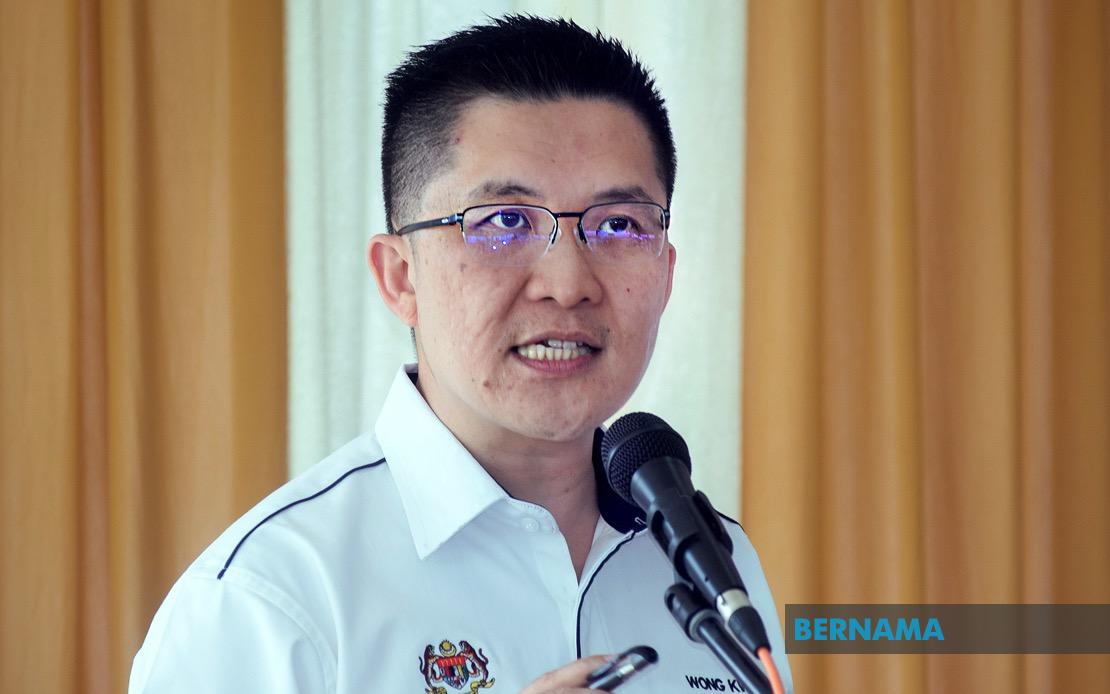
Malaysia's network of 528 Tamil national-type schools serves a combined enrolment of 78,501 pupils, according to figures presented in Parliament by Deputy Education Minister Wong Kah Woh on June 22. These institutions form a critical pillar of the country's multilingual education ecosystem, providing Tamil-language instruction to minority community students across the peninsula. The data, recorded as of May 31, 2026, offers a snapshot of the current state of Tamil-medium education at a time when policymakers are intensifying efforts to sustain and enhance these schools' operational capacity and academic standards.
Examination participation figures reveal a gradual decline in SPM candidates from Tamil schools over recent years. In 2023, the cohort numbered 8,023 students, declining progressively to 7,925 in 2024, 7,693 in 2025, and 7,494 in the current year. This downward trend raises questions about demographic shifts, school choice patterns, and competition from national-type and private institutions. Yet the Ministry of Education has responded with reassurance that Tamil language examination options remain permanently embedded in the SPM framework, accessible not only to students from Tamil schools but also to those from institutions that do not offer dedicated Tamil instruction, provided they meet standard registration criteria.
Johor emerges as a significant hub for Tamil-medium education, hosting 71 schools spread across the state with a combined pupil population of 12,906. Within Johor Bahru district alone, 15 schools accommodate 7,840 learners, indicating concentrated demand in this urban area. Four institutions in the district have achieved notably high enrolments: SJKT Taman Tun Aminah leads with 1,529 pupils, followed by SJKT Ladang Rini with 1,055, SJKT Jalan Yahya Awal with 890, and SJKT Masai with 768. These flagship schools suggest that certain neighbourhoods maintain robust Tamil-speaking communities where parents actively choose language-medium education for their children, though identifying the factors driving these disparities could inform broader policy approaches to school management nationwide.
The ministry's infrastructure development agenda reflects a determined commitment to modernizing Tamil school facilities. SJKT Ladang Rini and SJKT Kulai Besar have each received RM4.3 million allocations for new building construction, expected to accommodate an additional 200 to 300 pupils per school. These capital investments signal confidence in the sector's continued relevance and suggest planning horizons extending several years ahead. However, infrastructure expansion coexists with a parallel challenge: two Johor Bahru schools, namely SJKT Ladang Sungai Plentong and SJKT Ladang Mados, operate with fewer than 30 pupils each, presenting sustainability questions about resource efficiency and long-term viability in low-density enrolment environments.
Addressing the persistent issue of under-enrolled schools has prompted the ministry to implement a structured roadmap incorporating multiple strategies tailored to local contexts. As of May 31, 2026, 135 under-enrolled Tamil schools nationwide have adopted multi-grade classroom arrangements, allowing single teachers to instruct mixed-age cohorts and optimizing pedagogical efficiency in dispersed communities. Additionally, 36 institutions have received formal approval for relocation to areas with greater student concentration, a measure designed to consolidate provision and improve operational sustainability. School retention decisions factor in local demographic needs and community preferences, reflecting a nuanced approach that avoids blanket closures while maximizing educational access.
Teacher workforce development constitutes another cornerstone of ministry strategy. The sector currently requires 1,334 Tamil language option teachers in primary schools, yet staffing levels have already surpassed demand at 1,733 positions, indicating healthy recruitment momentum and capacity headroom. At secondary level, the requirement stands at 584 teachers against a current establishment of 648, similarly demonstrating adequate supply. This positive labour market position contrasts with teacher shortages experienced in some other subject areas, suggesting that Tamil education pathways remain attractive to prospective educators or that deployment mechanisms are functioning effectively to match qualified personnel with school positions.
The ministry's commitment to Tamil language curriculum development extends beyond basic provision to encompassing pedagogical quality enhancement. Implementation of the 2027 School Curriculum represents a forward-looking initiative designed to align Tamil education with contemporary learning frameworks and competency expectations. Concurrent efforts focus on strengthening Tamil literature instruction, recognizing that language acquisition gains substance and cultural relevance when embedded within rich literary traditions. These initiatives acknowledge that mere access to Tamil instruction, while foundational, requires complementary investments in curriculum design, teacher professional development, and learning materials to deliver meaningful educational outcomes that prepare students for academic progression and informed engagement with Tamil cultural heritage.
Parliamentary scrutiny of examination integrity prompted the deputy minister to address concerns regarding grading transparency and potential quota systems in SPM assessment. Wong clarified that examination grades are determined through systematic, evidence-based processes rather than predetermined percentage distributions or numerical targets. Panels comprising subject specialists, curriculum experts, and measurement professionals evaluate candidate performance against established subject standards and curriculum requirements before grade boundaries are finalized. Grade boundary variation year-to-year reflects genuine differences in cohort performance characteristics and examination instrument design, consistent with international practice in systems such as those operated by the British or Australian examination authorities. This explanation reinforces institutional confidence in assessment rigour while acknowledging that calibration mechanisms necessarily respond to actual student achievement patterns rather than administrative formulae.
The trajectory of Tamil-medium education in Malaysia reflects broader societal questions about language preservation, educational pluralism, and resource allocation in diverse communities. Declining SPM registrations, though incremental, signal potential longer-term pressures on sustainability if current demographic and preference trends persist. Conversely, the ministry's proactive infrastructure investments, teacher recruitment success, and curriculum modernization initiatives suggest institutional resolve to maintain Tamil education as a permanent feature of Malaysia's educational landscape. For Tamil-speaking families, these developments offer reassurance of continued institutional support, though outcome quality and student achievement results will ultimately determine whether schools consolidate parental confidence or face further attrition. Regional observers monitoring minority language education policies across Southeast Asia may find Malaysia's management approach instructive, particularly its combination of direct infrastructure support with flexible school organization strategies responsive to local demographic realities.