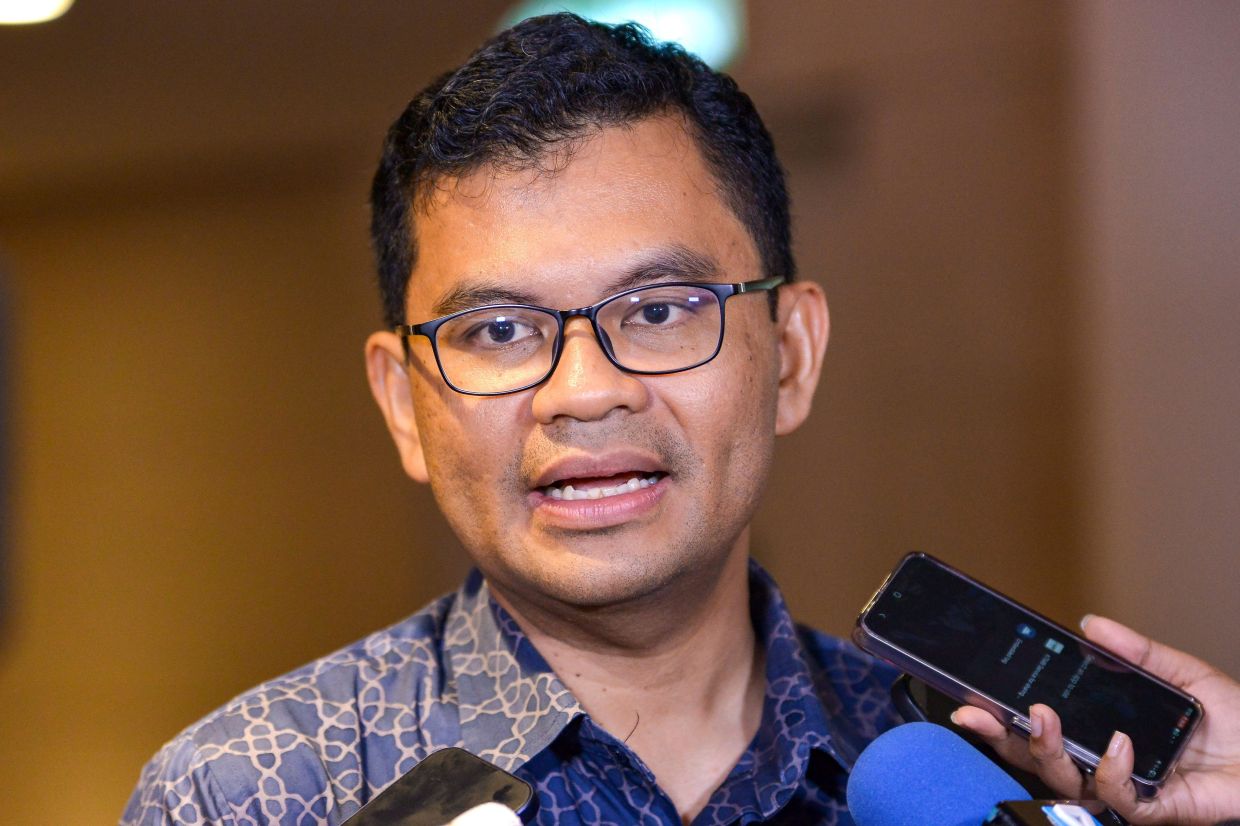
Malaysia is poised for a significant renewable energy expansion after awarding 42 companies projects under the revived 2026 Feed-in Tariff mechanism, a move that promises to channel RM4.3 billion in fresh investment into the sector. Economy Minister Akmal Nasrullah Mohd Nasir announced the successful allocations at the 7th International Sustainable Energy Summit in Kuala Lumpur, revealing a portfolio of 16 biogas ventures, 11 biomass initiatives and 15 small hydropower schemes collectively representing 331.355 megawatts of new generation capacity.
The strategic distribution across three renewable sources reflects a diversified approach to displacing fossil fuel dependency. Biogas projects, harnessing energy from organic waste decomposition, will contribute 26.185 megawatts to the grid, while biomass facilities—which convert agricultural and industrial residues into electricity—account for the largest share at 135.94 megawatts. Small hydropower schemes round out the portfolio with 169.23 megawatts, tapping into Malaysia's abundant freshwater resources in less environmentally disruptive ways than mega-dam construction.
The scale of economic stimulus extends well beyond energy generation itself. According to Akmal Nasrullah, the selected projects will trigger approximately RM617 million in domestic procurement demand specifically for gas engines and boiler manufacturing. This represents a meaningful opportunity for Malaysian industrial suppliers to build expertise and export competitiveness in renewable energy components, reducing the country's reliance on imported equipment and strengthening manufacturing capabilities in a strategically important sector.
Job creation forms another pillar of the scheme's broader economic justification. The ministry estimates that these 42 projects will catalyse roughly 7,738 indirect employment opportunities across construction, operations, maintenance and supply chain activities. For a country navigating post-pandemic economic recovery and demographic shifts, such employment multipliers matter considerably, particularly in regions where agricultural and industrial hubs can transition workforces into renewable energy infrastructure roles.
The selection methodology itself underscores rigorous governance standards. Rather than simply accepting the first viable applications received, SEDA Malaysia's evaluation incorporated multiple criteria spanning site feasibility, competitive tariff proposals and technical compliance requirements. This filtering process is significant because it signals that the Feed-in Tariff programme, which previously faced criticism for opacity and cost inefficiencies, has incorporated lessons learned from its earlier iteration. The competitive bidding aspect should theoretically drive better value for money than administrative allocation methods.
Context matters for understanding the scale of this initiative. The Sustainable Energy Development Authority received 48 total applications covering these three renewable categories, representing a combined potential capacity of 370.480 megawatts. The fact that 42 projects—88 percent of applicants—secured approval suggests strong market enthusiasm and generally sound project development work, though it also indicates that screening was not excessively stringent. The gap between approved and submitted applications hints at modest technical or financial deficiencies rather than wholesale rejection of unsuitable proposals.
The temporal dimension carries strategic weight. Minister Akmal Nasrullah projected that these assets will be integrated into the national electricity system between 2029 and 2030, a timeline that aligns with Malaysia's broader renewable energy targets under the National Energy Transition Roadmap. This phased implementation schedule allows for workforce training, supply chain development and grid infrastructure upgrades to proceed methodically rather than creating bottlenecks from compressed timelines.
For regional observers, Malaysia's reinvigoration of Feed-in Tariff mechanisms offers comparative lessons. Several Southeast Asian economies have experimented with similar guaranteed-price purchase schemes, achieving mixed results depending on design features and enforcement consistency. Malaysia's emphasis on domestic content requirements and competitive selection processes addresses historical criticisms that fixed-tariff systems can incentivise inefficient operators or overseas investors extracting returns without local benefit.
The programme's stated objectives—expanding renewable energy generation, fortifying domestic industrial capabilities, attracting external capital and generating measurable economic value—reflect a pragmatic industrial policy approach rather than pure environmental idealism. By framing renewable energy as an economic development opportunity rather than merely a climate imperative, policymakers may find broader political support and sustained commitment across electoral cycles. This framing also appeals to investor confidence, signalling that renewable energy is understood as a long-term economic sector rather than a temporary compliance exercise.
Regional competition adds another dimension to Malaysia's decision-making. Vietnam, Thailand and Indonesia have advanced their renewable energy infrastructure significantly in recent years, attracting substantial foreign direct investment. Malaysia's 2026 FiT programme demonstrates determination to remain competitive within Southeast Asia's clean energy landscape, preventing capital and expertise from flowing exclusively to neighbouring jurisdictions with seemingly more favourable renewable energy policies.
The biogas component particularly warrants attention for Malaysia's agricultural economy. Palm oil mills, food processing facilities and livestock operations generate substantial organic waste streams. Harnessing these residues through anaerobic digestion simultaneously addresses environmental management challenges while generating energy and revenue for facility operators. This circular economy potential makes biogas especially suited to Malaysia's tropical agricultural profile and could become a model for regional agricultural sustainability.
Investor response will prove critical to realising these projections. The RM4.3 billion investment figure represents an aggregate commitment by private developers, construction firms and equipment suppliers. Market confidence depends on perceived regulatory stability, payment security and reasonable return expectations. Any future changes to tariff rates, grid connection standards or renewable energy policy direction could either accelerate or decelerate investment flows, making policy continuity essential for achievement.
For Malaysian consumers and policymakers alike, this 42-project cohort represents a tangible step toward energy diversification and industrial modernisation. Whether the programme achieves its full economic and environmental objectives will become clearer as projects move from approval through construction toward commercial operation by decade's end.

