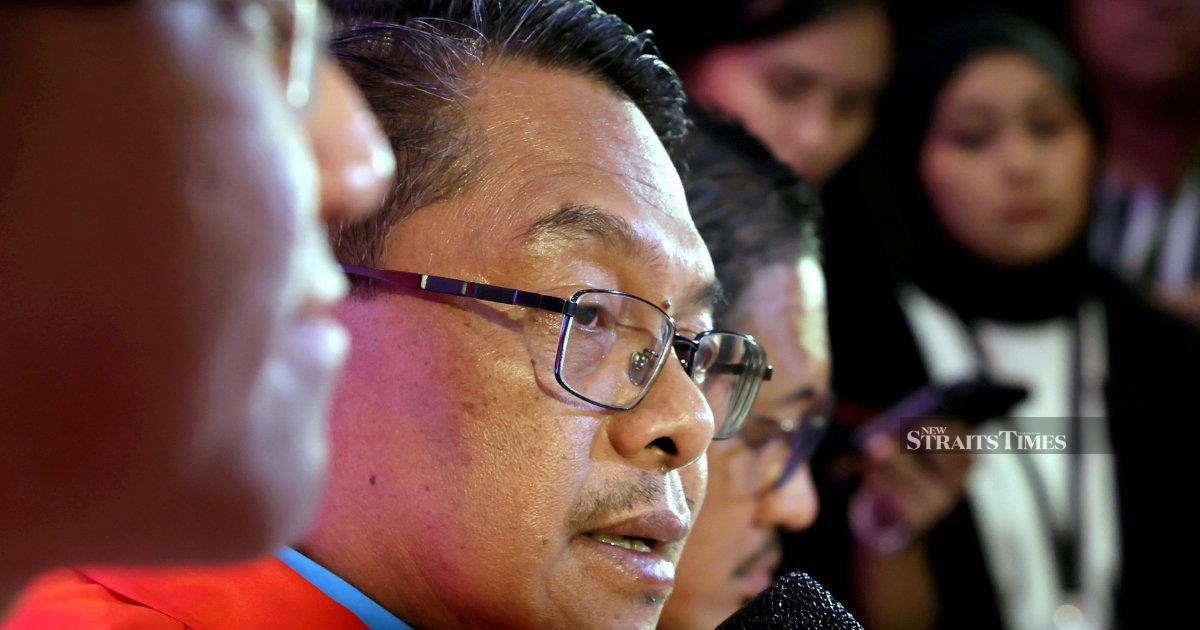
Discussions surrounding a significant boost to parliamentary representation for Sabah and Sarawak remain active within the ongoing Malaysia Agreement 1963 (MA63) deliberations, according to Datuk Mustapha Sakmud, the Minister in the Prime Minister's Department responsible for Sabah and Sarawak Affairs. The proposal aims to elevate the two states' collective share of parliamentary seats to 35 per cent, a substantial increase from their current allocation.
The MA63 framework, which underpins the federation of Sabah and Sarawak with Peninsular Malaysia, has become the focal point for addressing longstanding grievances over resource distribution, constitutional autonomy, and political representation. The 35 per cent parliamentary seats initiative represents one of the most contentious yet potentially transformative elements being deliberated under this historical agreement, reflecting the broader push by both states for enhanced influence at the federal legislative level.
Sabah and Sarawak have long articulated concerns about their proportional voice in national decision-making, despite their combined population representing a meaningful segment of Malaysia's total demographic. This parliamentary seat proposal directly confronts that imbalance by proposing a structural realignment that would give the two states significantly more weight in passing legislation, budgets, and constitutional amendments. For Malaysian lawmakers and the general public, this negotiation carries implications far beyond electoral arithmetic, touching on federalism, resource management, and the balance of power between the peninsula and East Malaysia.
The inclusion of this proposal within broader MA63 talks underscores how both Sabah and Sarawak view parliamentary representation as integral to their historical compact with the federation. When Malaysia was formed in 1963, these states negotiated specific constitutional safeguards and arrangements. Now, more than six decades later, advocates for enhanced representation contend that demographic changes and economic development justify revisiting seat allocations to reflect contemporary realities.
Critical observers in Kuala Lumpur and Sabah's capital Kota Kinabalu recognize that any increase to 35 per cent would necessitate redistribution of seats from Peninsular Malaysia, a politically sensitive adjustment that requires careful consensus-building among all major political factions. Such a shift would dilute peninsula-based parties' legislative dominance and potentially alter the dynamics of government formation, coalition-building, and policy priorities in Parliament.
The ongoing nature of these discussions signals that no consensus has yet crystallised among federal and state leadership. Negotiations of this magnitude typically involve input from constitutional experts, state governments, federal authorities, and political parties, all of whom may harbour different visions for implementation. The fact that Datuk Mustapha Sakmud publicly confirmed continued deliberations suggests commitment to the process, though timelines and eventual outcomes remain uncertain.
For Malaysian business and investment communities, particularly those operating across the peninsula and East Malaysia, clarity on parliamentary representation structures carries practical weight. Electoral reforms and shifts in legislative composition can influence tax policies, resource extraction frameworks, and development funding allocations—factors that directly impact commercial operations and cross-regional trade flows.
Regionally, this negotiation also commands attention from neighbouring Southeast Asian nations, several of whom grapple with similar federation-related challenges involving territorial autonomy and equitable representation. Malaysia's handling of the MA63 deliberations could offer precedent or cautionary lessons for other states managing centre-periphery tensions within federal structures.
The proposal's status as "under discussion" rather than decided indicates that substantial work remains. Political conditions in Malaysia have shifted markedly over recent years, with coalition alignments changing and both Sabah and Sarawak exercising increased leverage during government formation processes. This evolving political landscape may either accelerate or complicate negotiations, depending on how critical the 35 per cent proposition becomes for ongoing federal-state arrangements.
For residents of Sabah and Sarawak, the outcome of these MA63 talks carries profound significance. Enhanced parliamentary representation could translate into greater ability to advance state-specific interests, secure dedicated development funding, and influence national policies affecting resource management, education, and infrastructure investment. Conversely, negotiations could stall or yield compromise figures lower than 35 per cent, necessitating further deliberation and adjustment of expectations.
The timing of continued MA63 negotiations reflects broader national conversations about constitutional reform and federal restructuring that have gained momentum in recent years. As Malaysia continues navigating post-election coalitional politics and addressing calls for institutional modernisation, the parliamentary representation question sits at the intersection of federalism, democracy, and pragmatic governance—making its resolution consequential for the nation's political trajectory and East Malaysian standing within the federation.

