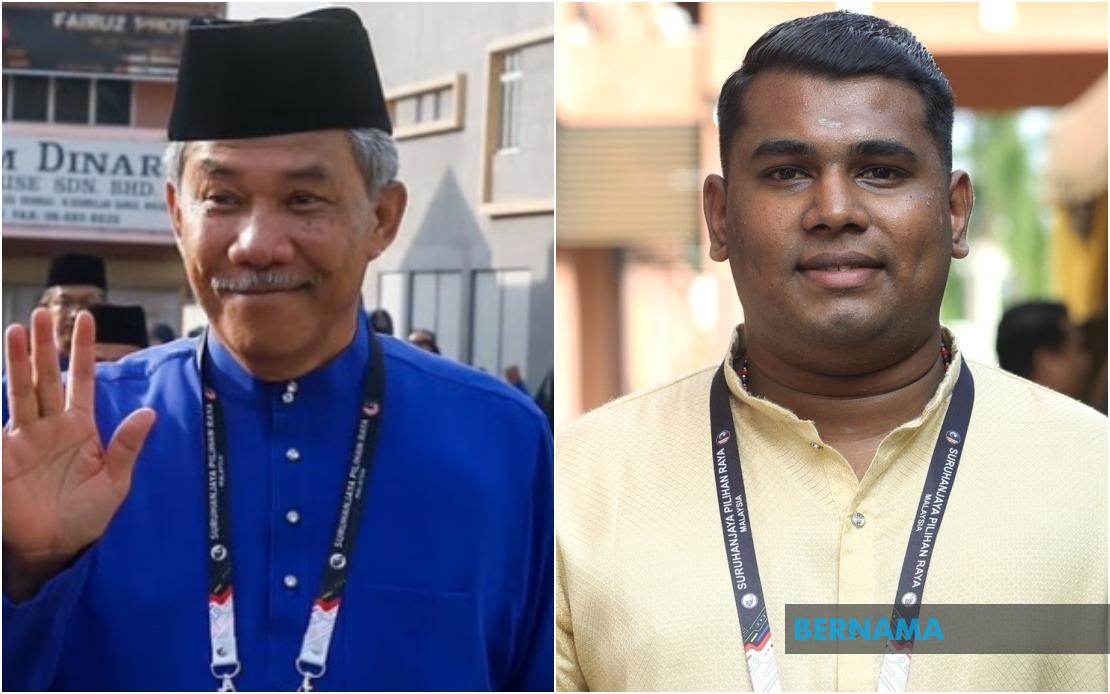
M. Leevineshwaraan has secured his place in electoral history as the youngest contender in the 16th Negeri Sembilan state election, bringing fresh energy to the competitive field at just 23 years old. The Bersatu representative is mounting a determined challenge in the Sri Tanjung state seat, where he faces a crowded five-candidate contest and the formidable task of unseating an incumbent backed by the ruling coalition.
The young candidate's most significant hurdle lies in confronting Datuk Dr G. Rajasekaran of Pakatan Harapan, who retained the Sri Tanjung seat in the previous electoral cycle with a comfortable 3,996-vote majority. This margin suggests PH has substantial ground organisation and voter loyalty in the constituency, presenting Leevineshwaraan with the challenge of mobilising sufficient support to overturn an established advantage. For a debut candidate operating within a five-way race, converting enough votes to dislodge an incumbent represents an uphill trajectory that will test the organisational capacity and grassroots mobilisation of Bersatu in this particular area.
Leevineshwaraan's emergence as the youngest candidate marks a generational shift from the previous state election cycle. In 2023, Muhammad Syakir Fitri Sadri held this distinction when contesting the Paroi state seat as an Independent candidate at the age of 25. The succession of youthful candidates participating in successive electoral contests reflects broader efforts by political parties to rejuvenate their candidate pools and appeal to younger voter demographics increasingly engaged with electoral politics throughout Malaysia.
The Sri Tanjung state seat sits within the Port Dickson parliamentary constituency, where the electoral playing field encompasses five state assembly positions. Within this broader electoral geography, 19,590 registered voters hold the decisive power to determine which candidate will represent their interests at the state legislative level, making Sri Tanjung a significant battleground within an already competitive parliamentary zone that has historically witnessed closely contested races.
At the opposite end of the age demographic, the Negeri Sembilan contest features two septuagenarians who embody the experience and political longevity that characterises the senior echelon of Malaysian political leadership. Barisan Nasional deputy chairman Datuk Seri Mohamad Hasan and Pakatan Harapan's Abd Latif A Tambi, each aged 70, represent the oldest cohort competing in this year's state-level elections. Both incumbents are defending their respective seats through direct two-way contests, with Mohamad defending the Rantau state seat and Abd Latif challenging in Gemencheh.
Moreover, this electoral cycle represents a generational transition compared with the previous state election, when Bujang Abu, an Independent candidate aged 72, held the record as the oldest contender. However, Bujang's absence from the current election roster results from administrative complications—specifically, failure to submit documentation requirements stipulated by the Election Commission, demonstrating how procedural compliance remains a prerequisite for electoral participation regardless of candidate profile or experience.
The Rantau state seat, encompassed within the Rembau parliamentary constituency, contains 34,831 eligible voters, whereas Gemencheh, situated within the Tampin parliamentary district, encompasses 24,916 registered electors. These voter populations represent substantial electorates capable of delivering decisive mandates, suggesting that both Mohamad and Abd Latif, as incumbents, likely possess established machinery and voter relationships that should facilitate competitive positioning against challengers within their respective seats.
Female representation in the 16th Negeri Sembilan state election demonstrates incremental progress within Malaysia's political landscape, though absolute numbers remain modest. Nine of the 103 candidates contesting the state polls are women, representing an improvement from the preceding 2023 election, which fielded eight female candidates among an 83-candidate field. Pakatan Harapan leads in female candidate recruitment by fielding four women, underscoring divergent approaches among coalitions regarding gender balance and representational diversity within electoral candidacy.
The temporal framework for the election has been clearly established by the Election Commission, with early voting scheduled for July 28, allowing advance balloting for those unable to participate during the main polling day. The official polling date of August 1 provides Negeri Sembilan's electorate with an opportunity to render judgement on competing visions and candidates at state legislative level, potentially reshaping the political balance within the state assembly depending upon electoral outcomes across all contested seats. This decisive two-week period preceding the election will prove crucial for campaigns seeking to mobilise voter support and consolidate organisational efforts before the electorate renders its verdict.

