The Malaysian political establishment confronts mounting pressures on multiple fronts as the sprawling 1MDB financial scandal continues to reverberate through the courts, with civil proceedings against former First Lady Rosmah Mansor now scheduled to begin trial in June 2027. The High Court has also set a Mareva hearing—designed to preserve assets pending litigation outcomes—for September 28, signalling the judiciary's determination to pursue recovery of allegedly misappropriated funds from the troubled sovereign wealth fund that triggered one of Asia's most significant corruption investigations.
The government's financial exposure from the 1MDB debacle remains staggering. The Ministry of Finance disclosed that Malaysia's total obligation stemming from the scandal amounts to RM51.4 billion, a figure that underscores the profound economic impact of the fund's collapse and subsequent bailout requirements. This massive liability continues to strain public finances and shapes budget allocation discussions, with implications extending across infrastructure development, social services, and economic competitiveness in Southeast Asia's third-largest economy.
Denials and counter-narratives have characterised recent government responses to allegations touching on the former leadership. Officials categorically rejected claims that fugitive businessman Jho Low, a central figure in the 1MDB affair, had recently entered Malaysian territory to negotiate repayment discussions, addressing speculation that may have reflected lingering public concerns about potential behind-the-scenes dealings. Similarly, the Prime Minister dismissed suggestions that he had purchased a new BMW for personal use, rejecting what he characterised as unfounded media reports that appeared designed to undermine confidence in leadership integrity.
Court proceedings have simultaneously revealed uncomfortable connections between current political figures and government contracts, with evidence heard that a company linked to former Prime Minister Muhyiddin Yassin secured RM141 million in government work. This revelation strikes at broader questions about whether Malaysia's democratic institutions adequately protect against conflicts of interest and whether competitive tendering processes remain insulated from political patronage, concerns that resonate particularly among observers tracking whether governance standards have genuinely improved since the previous administration.
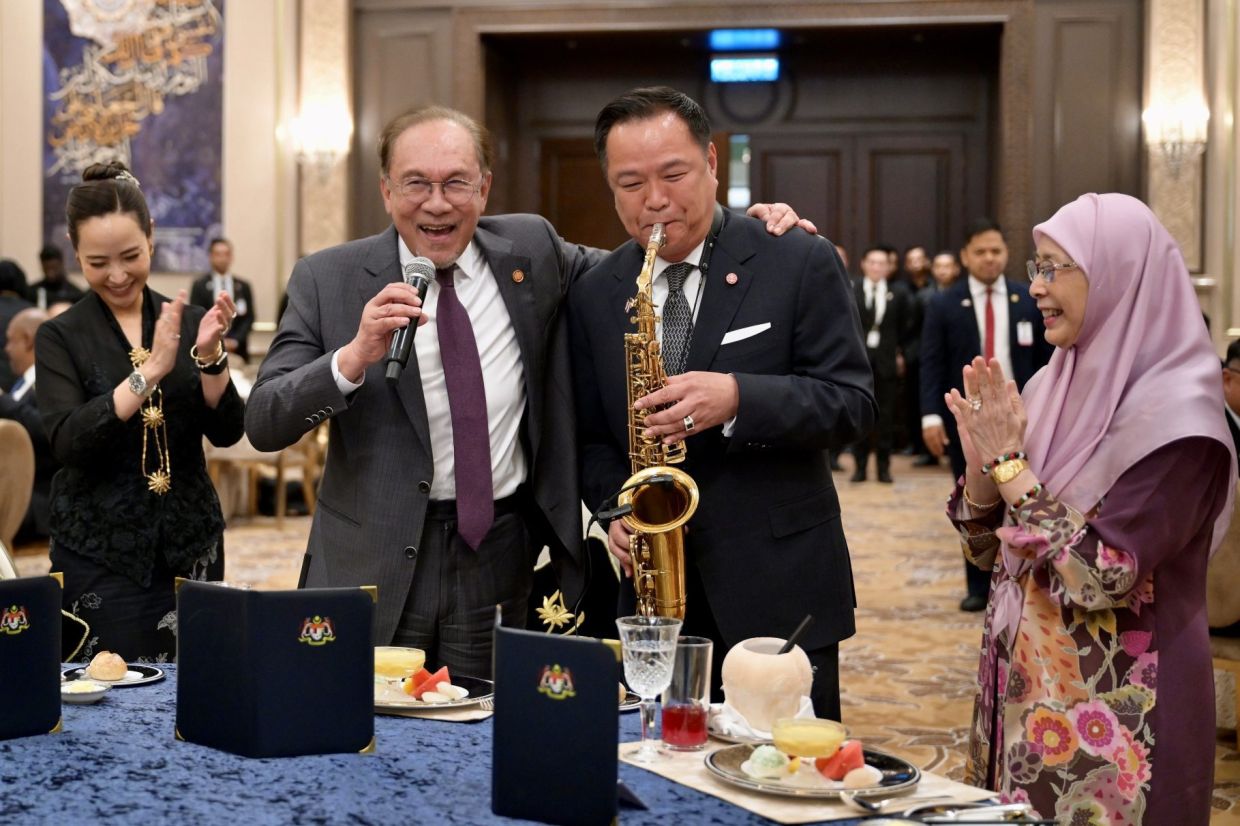
The Johor state elections emerge as a crucial test of political sentiment and coalition strength, with various parties mobilising their narratives and resources. Thailand-based Anutin, whose country's regional influence extends across cross-border issues, extended diplomatic courtesies by wishing Prime Minister Anwar Ibrahim success in the Johor campaign. Meanwhile, coalition tensions simmer beneath the surface, with Bersatu warning that denying the Barisan Nasional a two-thirds majority represents an essential mechanism for maintaining institutional checks and balances—a framing that implicitly questions whether single-coalition dominance serves Malaysia's democratic health.
Political positioning within the ruling coalition itself reveals underlying fault lines, as Bersatu representatives resigned from the party's supreme council to prioritise state-level responsibilities, and Onn Hafiz, addressing governance structures, announced that no PAS assemblymen would receive nominations under Barisan Nasional if the coalition returns to power in Johor. These manoeuvres suggest complex calculations about power distribution and coalition management, with implications for how Malaysia's federal system accommodates diverse political interests across state and national levels.
The Prime Minister's government has simultaneously sought to counter narratives of political favouritism, insisting that state aid distribution remains equitable regardless of ruling party affiliation and that no jurisdiction faces marginalisation based on electoral outcomes. This messaging addresses persistent anxieties about federal funding mechanisms and whether resource allocation reflects development needs or political considerations, a tension that periodically surfaces in Malaysia's federal-state relations.
Grievance redress and cultural recognition have also featured in the political week's developments, with Indian community leaders crediting the Madani administration for restoring the 'Nambikei' festival—a gesture that reflects government attention to minority community concerns and cultural continuity following what some characterised as previous institutional neglect. Such symbolic gestures carry weight in Malaysia's plural society where demographic groups remain alert to whether their concerns receive meaningful attention from the political establishment.
Law enforcement agencies have intensified multiple investigations ranging from World Cup betting operations to money laundering indicators, with authorities now scrutinising business owners who flaunt lavish lifestyles across social media platforms as potential targets for graft examinations. The Anti-Corruption Commission simultaneously recommended charges in 69 PERKESO grant fraud cases, demonstrating sustained investigative momentum across various sectors, though critics argue these efforts require consistent follow-through to rebuild public confidence in institutions.
Administrative and service-delivery issues have continued demanding attention, with the Public Accounts Committee urging government revision of the Spanco military vehicle procurement agreement following persistent delivery delays, and authorities addressing fuel supply concerns by confirming adequate reserves through December. These practical governance matters, though less dramatic than corruption scandals, reflect the routine operational challenges that ultimately determine whether citizens experience improved service standards.
Economic indicators showed mixed signals, with the Bursa Malaysia equity market trading lower at midday ahead of the central bank's overnight policy rate announcement, reflecting investor caution as political developments and regional economic conditions influence trading sentiment. Agricultural sectors demonstrated resilience, with Perak's durian growers maintaining production steadily despite market glut pressures, exemplifying how traditional sectors adapt to supply-demand dynamics.
The convergence of legal proceedings, electoral campaigning, administrative reforms, and investigative activities underscores Malaysia's navigation of a complex political terrain where questions of accountability, institutional integrity, and equitable governance remain persistently contested. As the nation progresses toward the Johor elections and prepares for the 1MDB civil trial, these parallel developments will likely shape public discourse about whether Malaysia's democratic institutions have genuinely strengthened since the 2018 transition.

