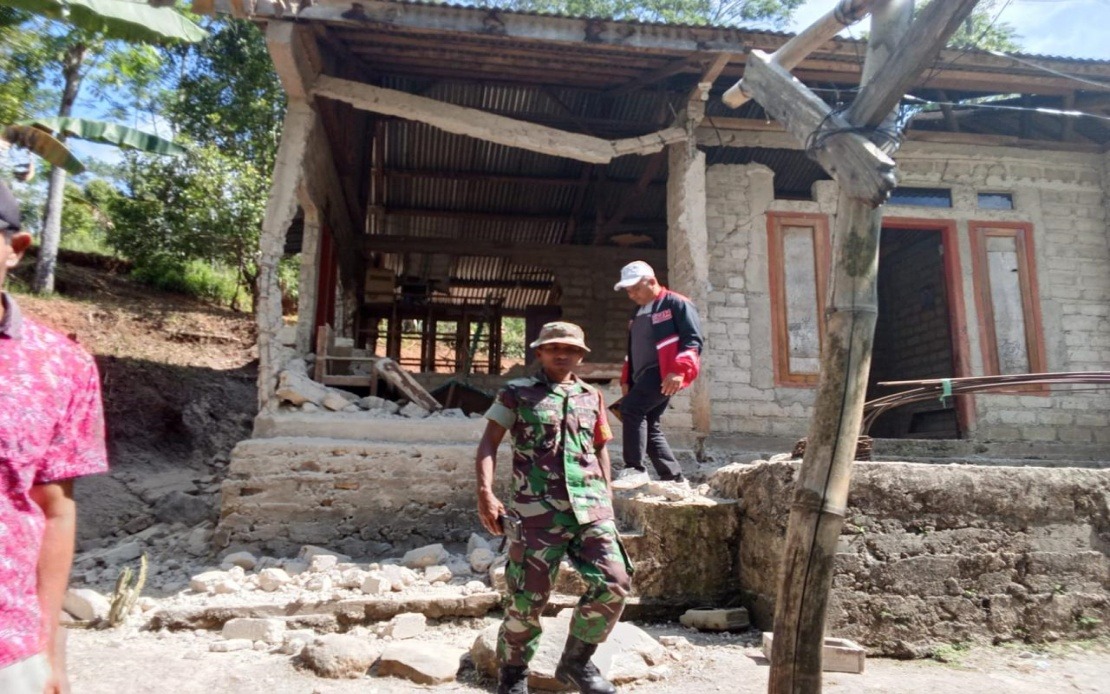
A 7.7-magnitude earthquake that struck Flores Island in Indonesia's East Nusa Tenggara province early Saturday morning has left 16 Malaysian tourists unharmed, according to the Malaysian Foreign Ministry. The tremor, which hit at 4.58 am local time northeast of Mbay in Nagekeo Regency, prompted immediate action from the Malaysian Embassy in Jakarta to locate and verify the condition of Malaysian nationals in the affected region.
The Foreign Ministry released a media advisory confirming that all identified Malaysian tourists in the vicinity of the earthquake epicentre have been accounted for and remain in good health. This rapid confirmation came after the embassy successfully established direct contact with the group following the seismic event, providing reassurance to families and officials monitoring the situation from Kuala Lumpur. The swift response highlighted the embassy's readiness in crisis situations and its ability to mobilise resources quickly when Malaysian citizens face potential danger abroad.
At present, the ministry has received no reports of Malaysian casualties or injuries stemming from the earthquake. This fortunate outcome underscores the importance of the embassy's proactive communication channels and the effectiveness of its monitoring systems for tracking nationals in vulnerable areas. The absence of reported incidents does not diminish the seriousness with which authorities treat such natural disasters, particularly in a region known for geological instability.
The Foreign Ministry stressed that the Malaysian Embassy in Jakarta remains actively engaged with local Indonesian authorities to maintain oversight of the broader situation and to identify any additional Malaysians who may have been present in the earthquake zone. This ongoing coordination demonstrates the multi-layered approach adopted by Malaysian diplomatic missions when responding to natural disasters affecting citizens abroad. Regular liaison with local emergency services ensures that Malaysia can provide timely assistance if needed and remains informed of developing conditions.
Malaysians living in or travelling through the affected areas of East Nusa Tenggara have been advised to exercise heightened vigilance and to prioritise their personal safety above all else. The ministry emphasised strict compliance with instructions issued by Indonesian local authorities, who maintain primary responsibility for disaster response and recovery operations. This guidance reflects standard diplomatic protocol during natural disasters and acknowledges the sovereignty of the host nation while protecting Malaysian interests.
The Foreign Ministry indicated that continuous monitoring of the situation remains a priority, with pledges to release further updates should developments emerge that directly impact Malaysian citizens. This commitment to transparency helps keep the public informed while avoiding unnecessary alarm. The ministry's measured approach balances public concern with factual communication, a critical element when dealing with international incidents that command media and public attention.
Malaysians both residing in Indonesia and those planning travel to the region are encouraged to register their details through the e-Konsular portal, an online platform designed to maintain current contact information for citizens abroad. This registration process facilitates rapid communication during emergencies and enables the Foreign Ministry to disseminate critical information quickly to those who need it most. Regular updating of contact details ensures that consular assistance can reach individuals efficiently should circumstances change.
Individuals requiring immediate assistance or facing emergency situations in East Nusa Tenggara can reach the Malaysian Embassy in Jakarta through its dedicated emergency hotline at +6281380813036 or by sending emails to [email protected]. These contact channels operate beyond standard business hours to accommodate crises that may develop at any time. The provision of multiple communication methods reflects best practices in consular services and ensures that no Malaysian in distress lacks a means to connect with official support.
The earthquake, originating from a region characterised by significant seismic activity due to its position along the Pacific Ring of Fire, serves as a reminder of the geological hazards facing parts of Southeast Asia. Flores Island and East Nusa Tenggara province sit in an area where multiple tectonic plates converge, creating conditions for frequent earthquakes and occasional tsunamis. Malaysians travelling to these regions should remain aware of the inherent natural disaster risks and follow guidance from local authorities regarding preparedness and response procedures.
This incident highlights the importance of travel safety awareness and the role played by Malaysian diplomatic missions in safeguarding citizens in foreign countries. While the fortunate outcome in this case—with no reported injuries among Malaysian tourists—underscores luck's role in natural disasters, it also validates the effectiveness of Malaysia's consular infrastructure and emergency response protocols. As Malaysia continues to see growing numbers of citizens travelling throughout Indonesia and the broader Southeast Asian region, the capacity of missions to locate and assist nationals during crises remains an essential diplomatic function.

