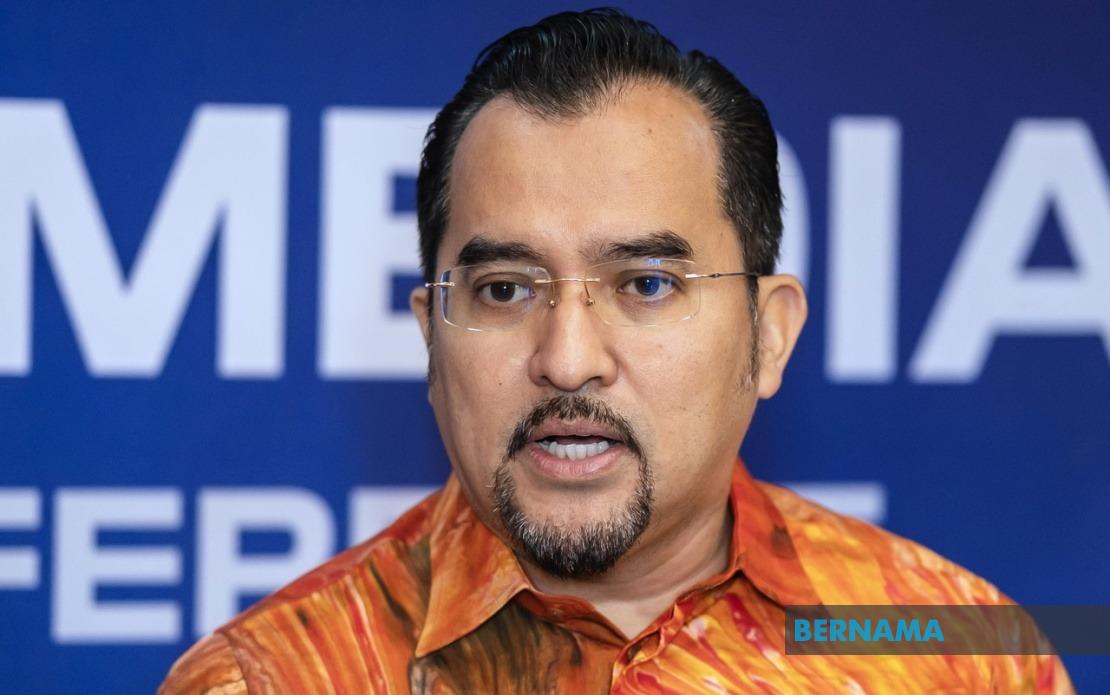
The appointment of 16 Malaysian Armed Forces (ATM) veterans as full-time wardens across eight MARA Junior Science Colleges (MRSMs) represents an escalation of the federal government's broader effort to tighten discipline and create safer residential environments at these prestigious institutions. Beginning July 1, these experienced former military personnel will assume responsibilities at selected colleges nationwide, building upon the foundation established through a pilot scheme that commenced eighteen months earlier at two institutions in the northern and southern regions.
MARAs leadership, through Chairman Datuk Dr Asyraf Wajdi Dusuki, has framed this programme as a direct response to longstanding concerns about student conduct and interpersonal dynamics within MRSM hostels. The introduction of veterans into these custodial roles signals institutional recognition that existing disciplinary structures may require reinforcement and that individuals trained in military protocol, hierarchy, and conflict management could provide the steady oversight necessary to maintain order and prevent the recurring incidents of bullying that have occasionally drawn public scrutiny.
The current recruitment phase represents a carefully calibrated expansion, with each of the eight selected colleges receiving four dedicated wardens—two male and two female—creating a gender-balanced supervision model intended to address the diverse needs of a residential student population. This staffing configuration differs markedly from previous approaches and reflects recognition that warden duties extend beyond simple rule enforcement to encompassing pastoral care, mentorship, and the creation of secure spaces where students of all backgrounds feel supported and protected.
The selection process, coordinated across multiple government bodies and private entities, demonstrates institutional commitment to recruiting individuals of genuine suitability rather than merely filling positions. MARA has partnered with Glokal Link Sdn Bhd, its subsidiary company, alongside the Veterans Affairs Department (JHEV), the talent development agency TalentCorp, and the psychological evaluation services of the Malaysian Armed Forces to ensure comprehensive vetting. This multi-layered approach includes psychometric testing, fitness assessments, criminal background verification by the Royal Malaysia Police (PDRM), and crosschecking against the child sexual offenders registry—measures reflecting heightened institutional awareness of safeguarding imperatives in school environments.
The preliminary phase of male recruitment has already progressed substantially, with 147 candidates undergoing physical interviews on June 15 and 16 at the MARA Higher Skills Institute in Kepong following earlier written and preliminary screenings. Among these candidates, 139 qualified as male applicants who had successfully navigated the initial and second-stage evaluation stages, demonstrating that a substantial pool of interested veterans exists. This competitive selection environment allows MARA to be selective, accepting only those whose records, psychological profiles, and demonstrated integrity align with the demands of residential supervision work.
Parallel recruitment of female wardens remains in motion, with 162 women having submitted applications and 162 advancing to online assessment conducted on June 25. Physical interviews for female candidates are scheduled to proceed on July 2, permitting MARA to complete the female cohort appointment process shortly thereafter, contingent upon candidates successfully completing identical screening protocols. This parallel recruitment pathway, while slightly staggered, underscores institutional intent to achieve gender-balanced warden teams across all participating colleges, reflecting contemporary understanding that diverse supervision teams tend to be more effective in addressing the complex social dynamics of boarding school environments.
Eligibility requirements for this programme are strictly defined, limiting participation to individuals who have completed military service honourably and have not been discharged for misconduct, serious disciplinary infractions, or legal violations that would compromise their suitability as institutional custodians. This threshold attempts to ensure that appointed wardens not only possess military background but also demonstrate the personal integrity and clean records necessary for positions of trust involving adolescents in vulnerable residential settings. The emphasis on honourable discharge and unblemished records suggests that MARA views the warden role as requiring both institutional experience and personal exemplarity.
Before final appointment letters are issued, all shortlisted candidates must complete comprehensive psychological evaluations conducted by Malaysian Armed Forces psychologists and counsellors. These assessments focus specifically on identifying any propensities toward sexual misconduct, impulse control deficits, inappropriate boundary transgression, or other psychological markers that might render an individual unsuitable for hostel placement. The inclusion of child protection and sexual misconduct risk screening within psychological evaluation protocols indicates that MARA has internalized lessons from institutional safeguarding failures elsewhere and seeks to implement preventive mechanisms at the appointment stage rather than addressing problems retroactively.
The programme's geographical and temporal expansion strategy reveals institutional planning across multiple years. Following the successful establishment of warden teams at these eight colleges in 2026, MARA intends to roll out the initiative progressively across all 58 MRSMs, with the third phase scheduled to commence on January 1, 2027. This staged approach permits evaluation of the programme's effectiveness at smaller scale before attempting wholesale implementation, allowing administrators to identify operational challenges, refine training protocols, and gather evidence regarding whether the warden model genuinely achieves its stated objectives of strengthening discipline and preventing bullying.
For Malaysian parents and broader society, this development carries significance extending beyond administrative reconfiguration of college staffing. The MRSM system educates some of the nation's most academically advanced secondary students, many of whom will subsequently enter tertiary education and eventually occupy leadership positions in government, academia, and private enterprise. Creating residential environments where these young people feel physically safe, psychologically supported, and appropriately supervised during formative developmental years has multiplier effects extending far beyond individual college campuses. The commitment to rigorous vetting and psychological screening, while demanding resource investment, reflects appropriate institutional prioritisation of student welfare over expedient staffing solutions.
The initiative also addresses a secondary but significant benefit regarding veteran employment and social integration. By channelling former military personnel into meaningful civilian positions utilising their experience in structured environments and discipline maintenance, MARA contributes to the broader national challenge of facilitating smooth transitions from military to civilian working life. Approximately 150,000 Malaysian Armed Forces personnel complete their service annually, and creating pathways into complementary civilian roles supporting national institutions helps realise the latent human capital these individuals represent.
Critical observers may note that the programme's success ultimately hinges not on recruitment rigour alone but on ongoing training, supervision, and accountability mechanisms once wardens assume their positions. The appointment of qualified individuals represents merely the foundation; sustained improvement in residential college environments depends on clear performance standards, regular professional development, robust channels for student complaints and grievances, and institutional willingness to address performance deficiencies when they emerge. MARA's emphasis on careful selection should extend seamlessly into careful management and oversight throughout wardens' tenure.

