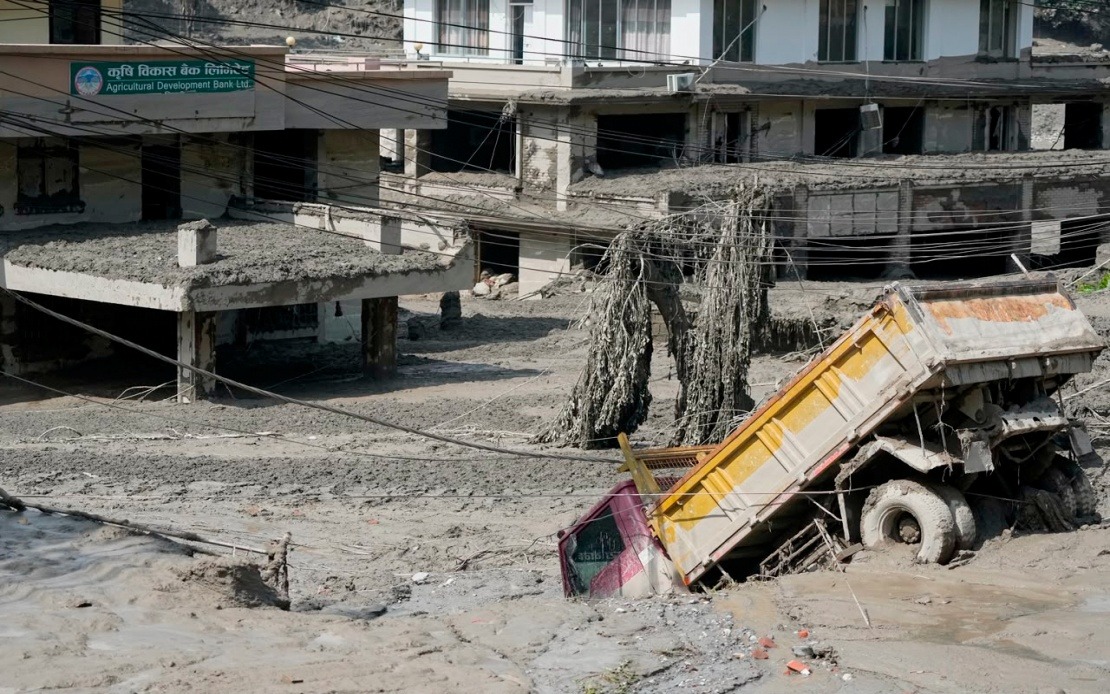
Eleven Malaysian citizens have gone missing in Nepal's Rasuwa district following severe flash floods that swept through the region on Wednesday morning, according to an alert issued by Malaysia's Foreign Ministry from its headquarters in Putrajaya. The Malaysian Embassy in Kathmandu received notification from travel agencies that they have been unable to reach the group, with the disruption attributed to widespread damage to communication infrastructure and power networks caused by the disaster.
The catastrophic flooding occurred in the Bhote Koshi River area, a major waterway in Nepal's mountainous north, where the sudden surge of water demolished markets, residential areas, and critical infrastructure across multiple settlements. The timing and intensity of the flash flood underscore the vulnerability of communities in this geographically challenging region during monsoon season, when such natural disasters pose recurring threats to both local populations and visitors.
Wisma Putra, the colloquial name for Malaysia's Ministry of Foreign Affairs, emphasised that the loss of communication with the 11 nationals is primarily attributed to the severe disruption of telecommunications and electricity services across the affected zone. The embassy has launched an active coordination effort with Nepal's local authorities and government-deployed search and rescue teams currently operating in the area to identify the missing Malaysians and determine their current condition.
The foreign ministry's response reflects established crisis management protocols for protecting citizens abroad. Embassy officials are working systematically to cross-reference information from travel agencies, tour operators, and other sources to build a comprehensive picture of who was in the disaster zone. This multi-source approach is essential when conventional communication channels have failed and on-ground information remains fragmented and unreliable.
Malaysians currently in Nepal or transiting through the country, particularly those in areas affected by the flooding, have been advised to exercise heightened caution and comply strictly with all safety directives issued by Nepalese authorities. The advisory carries particular weight for tourists and adventurers who traverse Nepal's northern regions, where tourism infrastructure often intersects with areas prone to natural hazards. The ministry's guidance extends beyond the immediate crisis zone, reflecting awareness that secondary dangers such as landslides, contaminated water supplies, and infrastructure collapse may persist for days following such events.
The Foreign Ministry has strongly encouraged all Malaysian citizens to maintain updated contact information through the e-Konsular portal, an online registration system accessible at https://ekonsular.kln.gov.my. This registry serves dual purposes: it enables the government to rapidly identify and contact nationals during emergencies, and it allows citizens to voluntarily notify authorities of their location and status. The system's importance has been demonstrated repeatedly across multiple crisis situations in the region, from natural disasters to civil disturbances, making registration a practical precaution for any Malaysian travelling internationally.
For those requiring immediate assistance, the embassy has established multiple contact channels to ensure accessibility despite communication difficulties. The general inquiry line at +977 1 544 5680 or +977 1 544 5681 serves routine matters, while the dedicated consular line at +977 1 544 5689 handles citizenship and documentation issues. An emergency helpline specifically designated +977 980 100 8000 has been activated for crisis situations, and an email contact at [email protected] provides an alternative communication method. This multi-channel approach recognises that during major disruptions, different communication platforms may have varying reliability.
The incident highlights the ongoing vulnerability of Malaysian travellers in South Asia, a region that combines significant tourism appeal with exposure to geological and weather-related hazards. Nepal's location along the Himalayan arc renders it particularly susceptible to earthquakes, landslides, and severe flooding during monsoon periods. Tourism to Nepal remains popular among Malaysian adventure seekers and trekkers, but such visits carry inherent risks that require careful planning and awareness of seasonal hazard patterns.
Wisma Putra has committed to sustained monitoring of the developing situation and pledged to release updated information as soon as verified details regarding the Malaysian nationals become available. This careful approach to information release reflects diplomatic practice of avoiding speculation or unconfirmed reporting that could alarm families or complicate rescue coordination. The ministry's role extends beyond information management to active advocacy with Nepalese authorities to prioritise the search and identification of Malaysian citizens among the potentially numerous affected persons.
The broader context for this incident involves Nepal's limited capacity for rapid response to large-scale natural disasters. While the government has deployed search and rescue teams, resource constraints and damaged infrastructure often slow coordinated rescue operations significantly. International coordination, including support from foreign governments and their diplomatic missions, frequently becomes essential for locating and assisting foreign nationals. Malaysia's diplomatic presence in Kathmandu is therefore critical infrastructure for citizen protection in this scenario.
For Malaysian families with relatives in Nepal, the situation underscores the importance of maintaining regular communication with loved ones travelling internationally and ensuring that travel itineraries and contact numbers are shared with family members in Malaysia. Beyond individual precautions, the incident reinforces the value of travel insurance and evacuation coverage, which can facilitate rapid repatriation if necessary and provide financial support during extended emergencies. The Foreign Ministry's advisory represents initial protective guidance, but comprehensive preparation before departure remains the most effective strategy for managing risks in adventure tourism destinations.

